


























































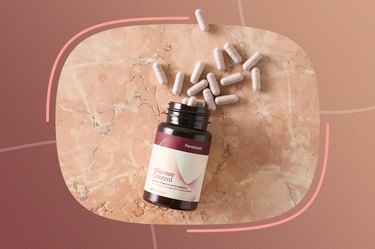







According to the Mayo Clinic, metabolism is the way your body uses food for energy. If you have a slow metabolism, you know how it can make weight loss frustrating. Still, attaining and maintaining a healthy weight is the best way to prevent many common chronic illnesses, such as heart disease, high cholesterol and diabetes. Ideally, you should burn as many calories as you consume daily. When you metabolism is slow, your body becomes more efficient at storing calories as fat. Fortunately, there are supplements that may help speed up your metabolism so you can lose weight. Always speak with your doctor before using any dietary supplement.
Step 1
Drink green tea two to three times daily. The University of Maryland explains that some studies have shown an association between green tea and weight loss. In a 2005 study published in the "American Journal of Clinical Nutrition," researchers at Health Care Products Research Laboratories found that male subjects who drank green tea on a daily basis lost more body fat than those who drank tea containing fewer catechins. The concentration of catechins, which are substances found in significant quantities in green tea, was the sole difference between the groups in the study.
Step 2
Take ginseng in capsule form, according to manufacturer's directions. The University of Chicago Medical Center cites a 2002 study published in "Diabetes" that found ginseng extract to be effective in reducing appetite and decreasing weight. Specifically tested in mice with a predisposition to diabetes, ginseng decreased their high blood glucose levels to normal and improved the production of insulin. Ginseng is also valued for it's ability to increase energy levels, which can speed up metabolism.
Step 3
Take a fish oil supplement, also known as essential fatty acids, daily. A 1989 study published in the "American Journal of Clinical Nutrition" found participants who consumed essential fatty acids, particularly omega-3 fatty acids, experienced increased weight loss and fat metabolism. Essential fatty acids also have protective cardiovascular effects and can help reduce cholesterol. Taking supplemental fatty acids therefore can help boost metabolism and decrease your risk of chronic illnesses associated with obesity.
Step 4
Try taking a vitamin B-complex supplement. According to the Mayo Clinic, B vitamins such as thiamin (vitamin B1) and niacin (vitamin B3) are important for many of the body's processes including metabolism. A deficiency in one or several of these water-soluble vitamins can cause fatigue, impaired nervous system function and decreased muscle function. Metabolism itself is largely a function of the muscles, which take energy in the form of glucose and convert it into fuel. If the functioning of your muscles is compromised by a deficiency of B vitamins, your metabolism may slow down.
Tips and Warnings
- Check with your doctor before using any dietary supplement. Add a program of regular physical activity in order to maximize the metabolism boosting effects of supplements.
References
- Mayo Clinic: Metabolism and Weight Loss: How You Burn Calories
- University of Maryland: Green Tea
- The American Journal of Clinical Nutrition: Dietary Fish as a Major Component of a Weight-Loss Diet: Effect on Serum Lipids, Glucose, and Insulin Metabolism in Overweight Hypertensive Subjects
- Mayo Clinic: Thiamin (Thiamine), Vitamin B1
- American Journal of Clinical Nutrition: Ingestion of a Tea Rich in Catechins Leads to a Reduction in Body Fat and Malondialdehyde-Modified LDL in Men


Member Comments