















































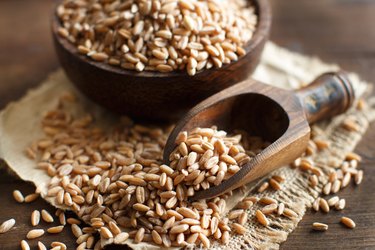
























Attention Deficit Hyperactivity Disorder, commonly referred to as ADHD is marked by an inability to pay attention, hyperactivity, restlessness and impulsiveness. It is often treated with amphetamine or methylphenidate based drugs. However, in some people, like those with celiac disease, the underlying cause of their ADHD symptoms is actually an intolerance to wheat. In others, eating wheat may worsen an existing case of ADHD.
Wheat Allergy
Our ancestors did not start cultivating wheat until a around 10,000 years ago with the dawn of agriculture. Because of this, some nutritionists, such as Dr. Loren Cordain, believe that many human beings have not adapted the full ability to process wheat. A rare portion of the population who are truly allergic to wheat will develop severe symptoms, such as coughing, breathing difficulties and vomiting, when they eat wheat. It is believed that about 15 to 20 percent of the normal population is at least intolerant of wheat.
Wheat Intolerance and ADHD
Wheat intolerance is marked by stomach bloating, gas, fatigue and feeling unwell. Most importantly to those who may suffer from ADHD, wheat intolerance can cause cognitive problems, such as difficulty with memory and behavioral problems, according to wheat-free.org. Physician Dr. Leo Galland says that wheat is one of the most common foods, along with soy, eggs and dairy foods, to which children with ADHD are allergic. This sensitivity to wheat can lead to hyperactivity and learning and behavior problems.
Celiac Disease and ADHD
In patients with celiac disease, the ingestion of gluten causes an inflammatory response within the intestines. This leads to poor digestion of essential nutrients. This lack of essential nutrients in turn leads to ADHD-like symptoms. In a study published in the November 2006 edition of the "Journal of Attention Disorders," it was found that ADHD symptoms were found in patients with untreated celiac disease, and that eliminating gluten from the diet improves symptoms within a short time.
Eliminating Wheat
Wheat is one of the most common foods in the American diet. It is found in breads, cereals, pastas, pancakes, and waffles. You must read labels carefully, as wheat can be found in processed foods that you might not expect to contain it. Examples include soups, alcoholic beverages, sausage and most desserts. Additives made from wheat, such as gluten, semolina and bulgur are common ingredients in processed foods.
Replacement
Dr. Loren Cordain recommends replacing the carbohydrates you would normally obtain from eating wheat products with fruits and vegetables. Green leafy vegetables, such as spinach, lettuce and kale, are an excellent source of healthy vitamins and minerals. Instead of eating a pizza, make yourself a vegetable salad. Drop the cake or muffin for dessert and pick up an apple or a banana. It is also possible to buy wheat-free bread and pasta in many health food stores.


