





























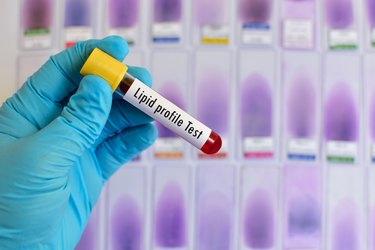











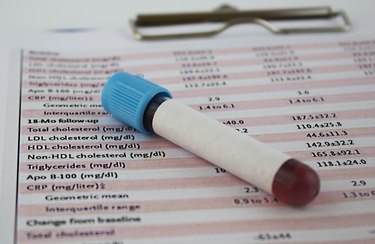







High cholesterol is a major health problem that poses a number of risks and complications. According to the American Council on Exercise, or ACE, about 38 percent of people in the United States have very high cholesterol. Lowering cholesterol levels can reduce the risk of heart attack and stroke. You may need medications to lower very high cholesterol levels, but lifestyle changes -- including regular exercise -- can have a positive impact on cholesterol.
Impact of Exercise on Cholesterol
Getting regular exercise can help lower high levels of bad or LDL cholesterol in the blood, the ACE says. Exercise can also help boost levels of good or HDL cholesterol. Although exercise doesn't use up the cholesterol in your blood, it helps the liver change some bad cholesterol into good cholesterol. Regular exercise also helps reduce other risk factors for high cholesterol, including obesity.
Added Benefits of Exercise
If you have high cholesterol, chances are that you probably have other risk factors for cardiovascular disease. Regular exercise helps you shed pounds and maintain a healthy body weight, and can also lower blood pressure -- another risk factor for cardiovascular problems such as heart attack and stroke. The ACE adds that a good exercise routine helps lower triglycerides, or fats, in the blood.
Exercising for Lower Cholesterol
In order for exercise to have a big effect on cholesterol levels, you have to work out hard and often. The ACE says you should exercise at a moderate intensity for about 30 minutes several days per week. Here's how to judge how hard you're exercising: If 10 is absolute maximum effort, you should push yourself around the four to six range. If you burn about 1,500 calories per week through exercise, the ACE says you may lower your cholesterol by as much as 10 lbs. to 20 lbs. after a 12- to 16-week exercise regimen.
Other Methods of Lowering Cholesterol
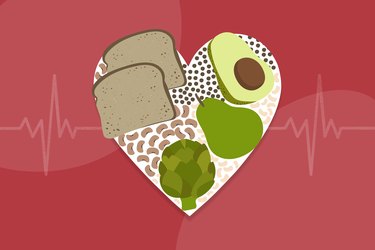
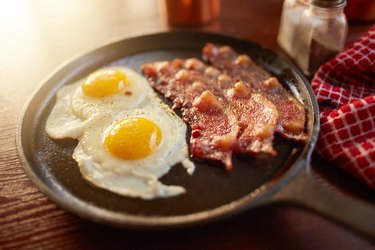
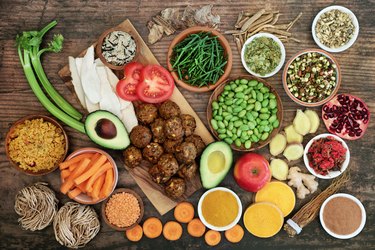
You can also lower cholesterol by making significant changes to your diet. Limit calories, fat and sugar to help you lose any excess weight. Avoiding saturated and trans fats in favor of unsaturated fats also helps you lower cholesterol levels, says MayoClinic.com. Eat plenty of whole grains, fruits and vegetables, and minimize the cholesterol in your diet by limiting meat, eggs and full-fat dairy products.


