























































How to Plan a Weekly Menu for Post Bariatric Surgery

How to Plan a Weekly Menu for Post Bariatric Surgery
Photo Credit Jupiterimages/Photos.com/Getty Images

Bariatric surgery is an umbrella term encompassing gastric weight-loss surgeries including gastric bypass and the Lap-Band surgery. Obtaining essential nutrients, including protein and vitamins, is challenging after surgery. Whereas a normal stomach can hold about 4 cups of food, gastric bypass reduces that to roughly 1 tbsp. of food. Planning weekly menus may help you get the nutrients needed after surgery. For about 12 weeks following surgery you will need a special diet progressing from liquid to regular foods.

Step 1

Discuss your diet with your surgeon. Each surgeon's recommendation may vary slightly and following dietary instruction is vital to your recovery. A rough guideline includes two to three weeks of liquids or purees followed by soft foods for another two to four weeks. Make your weekly menu dependent on which stage you are allowed.

Step 2

Learn about your new portion sizes and incorporate them into six daily meals while planning. A complete weekly menu for post-bariatric surgery will include 42 meals. Breaking old habits at the grocery store might present a challenge when you learn how little you can eat at one sitting.

Step 3

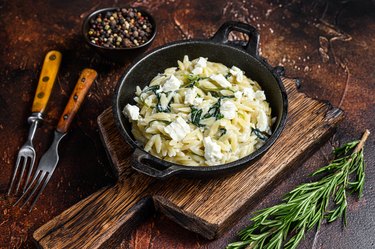
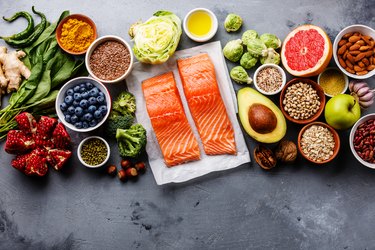
Choose protein-rich foods high in vitamin and mineral content for meal choices. Avoid foods such as pasta, raw vegetables and meats that may induce pain or vomiting after surgery. Your surgery severely limits how much you can eat -- make what you eat count.

Liquids and Purees

Step 1

Plan the weekly menu around liquid nutrients and pureed foods while in this stage. For the first two to three weeks one serving of liquid or pureed food is about 3 oz.

Step 2

Include broth, unsweetened juice and milk in your meal plans for liquids. Avoid fats, sugar, carbs and carbonated beverages as they will fill you up faster without providing nutrition.

Step 3

Shop in the infant section at the grocery store -- jarred baby foods provide a host of pureed healthy choices, including vitamin and nutrient-rich pureed meats, fruits and vegetables.

Soft Foods

Step 1

Plan nutritious meals with soft foods while you are restricted to this category. At the store, purchase foods that require little to no chewing to swallow.

Step 2

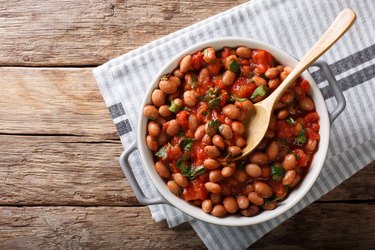
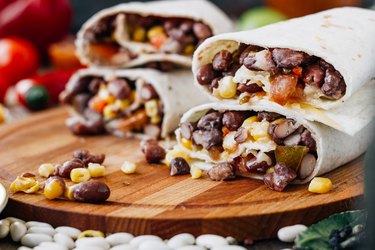
Incorporate ground fish, cooked beans and egg whites for healing protein after surgery. Yogurt and soft fruits and vegetables, such as mashed potatoes, are a source of vitamins and minerals including calcium and should be added to your weekly meal plan.

Step 3

Take serving sizes into account at the grocery store. If an item is on sale, such as potatoes, you can purchase a bag then divide into weekly servings at home. Mash fruits and vegetables ahead of time and refrigerate in single servings in airtight containers for convenience.

Regular Foods

Step 1

Add regular foods to your meal planning slowly and only after physician approval. Most gastric diets will progress to these foods within about three months.

Step 2

Start by planning daily meals for the week around mashable sources of protein like finely ground meats and beans. Cook raw vegetables thoroughly to reduce uncomfortable pain with digestion.

Step 3

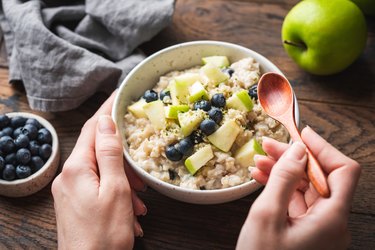
Add whole grains to the diet and meal plan slowly. Some people have difficulty eating dry foods such as bread or crackers after surgery. Plan to add a serving of grains, such as over-cooked oats, to your protein-based meals as your stomach tolerates.

Tips and Warnings

  • Try to drink 8 glasses of water throughout the day for hydration -- but do not drink before a meal as it will fill your stomach (ref 3).
  • Contact your doctor if you have vomiting or diarrhea, feel excessively tired or are sweating or dizzy.

References

Article reviewed by Tina Boyle Last updated on: Feb 15, 2011

Must see: Photo Galleries

Member Comments