





























































Vitamins and Minerals Needed by Women Over 40

Vitamins and Minerals Needed by Women Over 40
Photo Credit spinach & mushroom pizza image by samantha grandy from Fotolia.com

After age 40, your body's nutritional needs change from what they were when you were younger. Women over 40 lose some of their ability to absorb vitamins and minerals, reports University of Southern California's "USC Health" magazine, and menopause places additional nutritional demands on the body. So it's vital to make sure that you're getting enough of key vitamins and minerals you need at age 40 and beyond.

Vitamin D

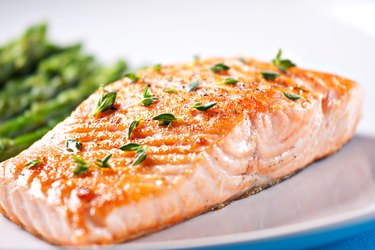
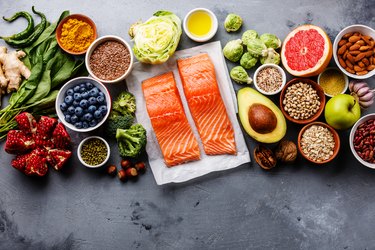
When you're over 40 years old, vitamin D begins to diminish from your body, so your body needs more vitamin D than it did before. Also, you go through menopause after age 40, and menopause increases your body's need for vitamin D to absorb calcium to keep your bones strong. The recommended daily amount of vitamin D is 600 IU for adults up to age 70 and 800 IU for those age 71 and older, according to the National Institutes of Health. Good dietary sources of vitamin D include tuna, salmon, mackerel, eggs, cheese and mushrooms.

Vitamin E

After age 40, your body produces more harmful substances called free radicals, which can damage your cells if you don't consume enough antioxidant vitamins to neutralize them. University of Florida researchers recommend taking vitamin E supplements once you're 40 years or older. The National Institutes of Health notes that adults need 22.4 IU of vitamin E every day, and breastfeeding women need 28.4 IU of vitamin E daily. Some foods that are rich in vitamin E include nuts, seeds, green leafy vegetables like broccoli and spinach and vegetable oils.

Calcium

You need more calcium when you're over 40 than you did when you were younger due to your body's reduced ability to consume minerals, but many American women don't get enough calcium and are prone to bone weakness as a result, reports "USC Health." The recommended daily amount of calcium is 1,000 mg for adult women up to age 50 and 1,200 mg for adult women age 51 and older, according to the National Institutes of Health. Good dietary sources of calcium include milk and dairy products such as yogurt and cheese, as well as vegetables like broccoli and kale.

Magnesium

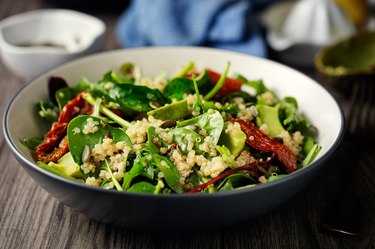
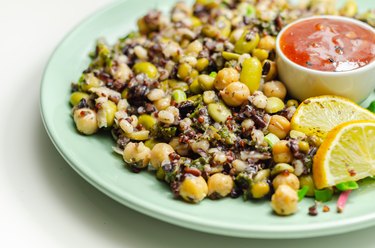
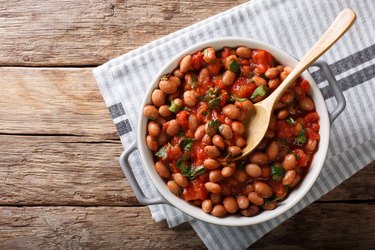
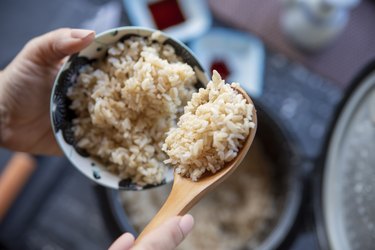
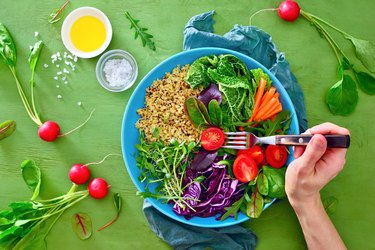
Menopause, which you experience after age 40, causes your body's magnesium levels to drop as its estrogen levels drop. Magnesium also helps your body absorb the calcium it needs after age 40. The National Institutes of Health reports that adults older than age 31 need 320 mg of magnesium every day. Some foods that are rich in magnesium include beans, nuts such as almonds and cashews, whole grains like brown rice and spinach.

References

Article reviewed by Julie Laing Last updated on: Feb 23, 2011

Must see: Photo Galleries

Member Comments