










































An Easy-to-Read Glycemic Index

An Easy-to-Read Glycemic Index
Photo Credit pineapples. fruit for making juice/ fruit salad image by L. Shat from Fotolia.com

The glycemic index measures the effects of carbohydrates on glucose levels. Only carbohydrates can raise your blood sugar -- fat and protein both slow the absorption of sugar into your bloodstream. In the GI, foods containing carbohydrates are ranked in comparison to pure glucose, which scores a perfect 100. The lower the GI ranking, the slower the rise in blood sugar.

Importance

The GI was developed as a tool for people with diabetes, to help them choose foods that would have less impact on their glucose levels. High glucose levels are linked to multiple serious health conditions, including type 2 diabetes, obesity and heart disease. Foods that quickly raise your blood sugar cause an increase in insulin to help move sugar from your bloodstream to your cells. If your blood sugar rises quickly, too much insulin may be produced by your pancreas. This extra insulin might trigger a sugar craving, leading to overeating. Several popular diets, including the South Beach Diet, the Zone Diet and Sugar Busters, are based on the GI.

Low-GI Foods

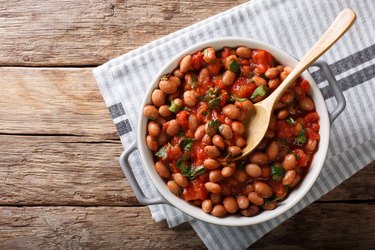
Foods that score 55 or less are considered low-GI foods. Diets based on the GI recommend that most of your carbohydrate choices come from this category. Low-GI foods include nonstarchy vegetables, legumes, most fruit and many dairy products. Not all low-GI foods are healthy -- fat slows the absorption of sugar, so high-fat foods tend to be low on the GI. A Snickers bar scores 40 and a peach scores 42, but the healthier choice should be obvious.

Intermediate-GI Foods

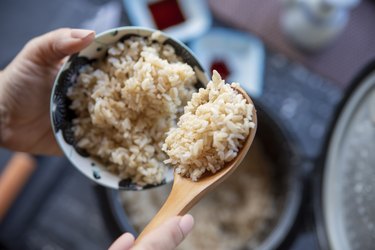
Any food that ranks between 56 and 69 is considered an intermediate or medium-GI food. Sweeter fruits, such as mangoes, apricots, raisins and other dried fruits; starchy vegetables, such as carrots and potatoes; and some whole grains, such as rice and oat bran, are intermediate-GI foods. The South Beach Diet recommends that you include these foods sparingly.

High-GI Foods

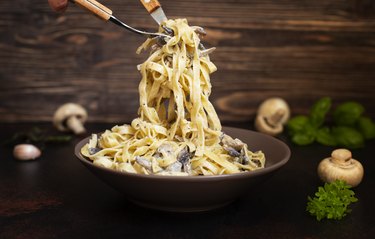
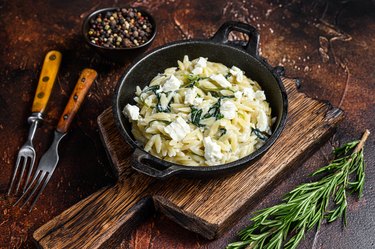
Most popular diet plans suggest that you severely limit or completely restrict foods high on the GI. These foods include ice cream and products made from white flour, such as cakes, breads and pastas -- especially those with added sugars.

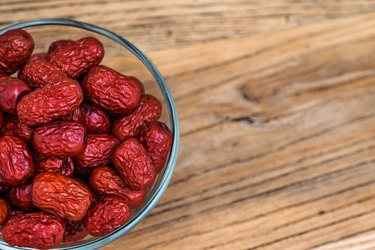
Not all high-GI foods are bad for you; some are low in calories and are nutrient dense. Baked potatoes, parsnips, dates, watermelon and broad beans are all high on the GI but offer your body valuable nutrients. It's best to use the GI as a guide but remember that every category offers both good and bad options.

References

Article reviewed by Julie Laing Last updated on: Feb 27, 2011

Must see: Photo Galleries