

































































Insulin is a hormone that helps your body use glucose, a form of sugar, for energy. If you are insulin-resistant, your muscles, liver cells and fat don't respond to insulin properly, which causes your body to produce more. Glucose then accumulates in your bloodstream, according to the National Diabetes Information Clearinghouse, "setting the stage for diabetes." Regular physical activity and healthy dietary changes can help reverse or manage insulin resistance and prevent potential complications.
Fruits and Vegetables
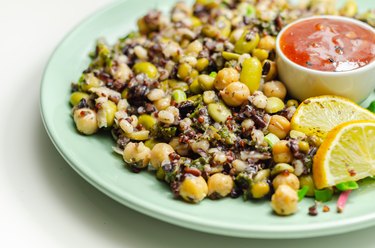
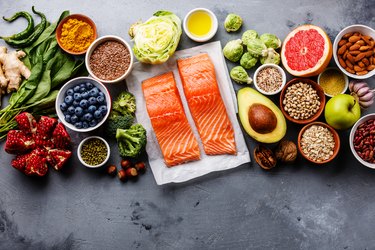
When insulin resistance accompanies other health problems, such as high blood pressure, abdominal obesity and poor cholesterol levels, you have a condition called metabolic syndrome. In order to manage these symptoms, MayoClinic.com recommends emphasizing fiber-rich foods, such as fruits and vegetables, in your diet. Fiber, an undigestible carbohydrate form, promotes fullness between meals and, since it causes slowed digestion, healthy blood sugar levels. For best results, start replacing higher-calorie, lower-nutrient meal components, such as french fries and sugary desserts, with colorful produce. Fruits and vegetables particularly rich in nutrients and fiber include berries, citrus fruits, apples, pears, kiwi, broccoli, cabbage, dark leafy greens, Brussels sprouts, carrots and eggplant.
Whole Grains
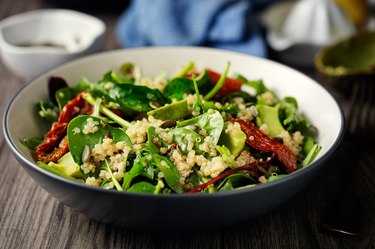
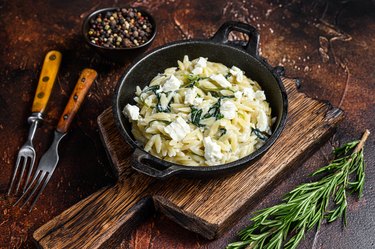
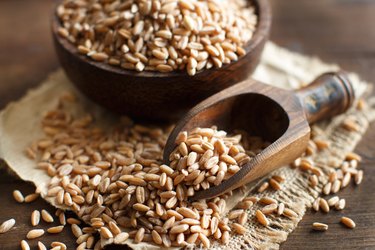
Whole grains are additional sources of valuable nutrients and fiber. As low-glycemic foods, whole grains have a mild impact on your blood sugar levels and may help delay hunger cues, according to the Linus Pauling Institute at Oregon State University, making it easier to manage your weight. Try swapping refined carbohydrate sources, such as white bread and enriched pasta, out for whole grain equivalents. Examples may include 100 percent whole grain breads, cold cereals and pasta, brown rice, wild rice, quinoa, pearled barley, steel-cut oats and air-popped popcorn. When purchasing breads and other prepared foods, check food packaging to ensure that whole grains are listed as main ingredients.
Cold-Water Fish
Cold-water fish, such as salmon, tuna, herring and halibut, provide rich amounts of protein and omega-3 fatty acids -- healthy fats associated with positive heart-health and brain function. According to a study published in the "New England Journal of Medicine" in July 2008, increasing your protein and healthy fat intake may improve your blood sugar levels and overall health. During the study, adults with excess body weight, heart disease and/or type 2 diabetes consumed a low-fat diet, a Mediterranean-style diet, which emphasizes fish and healthy fats, or a low-carbohydrate, high-protein diet for two years. By the study's end, researchers found significantly improved fasting blood sugar levels in dieters who consumed the Mediterranean-style and low-carbohydrate, high-protein diet. These dieters also lost more weight than those who ate the low-fat diet. For potentially similar benefits, incorporate cold-water fish into nutritious, balanced meals routinely, while cutting back on processed foods, such as bacon, sausage, cookies, chips and crackers.
Nuts and Seeds
Nuts and seeds provide protein, fiber, various vitamins and minerals and healthy fats. A Mediterranean-style diet also emphasizes plant-derived fat sources. Nuts and seeds also provide nutritious alternatives to saturated fat sources, such as butter, margarine, shortening and high-fat cheeses, which may increase your risk or worsen obesity, high blood pressure, diabetes symptoms and heart disease. Try topping salads with nuts or seeds in place of bacon bits or high-fat cheese and adding ground flaxseed to smoothies, cereals and yogurt. Since healthy fats enhance nutrient absorption, incorporate them into nutritious meals and snacks routinely. Since nuts and seeds, like all fat sources, are dense in calories, stick to moderate portion sizes.
References
- National Diabetes Information Clearinghouse: Insulin Resistance and Pre-Diabetes
- MayoClinic.com: Metabolic Syndrome: Lifestyle and Home Remedies
- Linus Pauling Institute: Glycemic Index and Glycemic Load
- "New England Journal of Medicine"; Weight Loss with a Low-Carbohydrate, Mediterranean, or Low-Fat Diet; Iris Shai et al.; July 2008


