

































Gout is a type of arthritis characterized by the accumulation of a waste product called uric acid in the joints, especially the joint of the big toe. The uric acid leads to intense pain, redness and inflammation in the affected joint. The symptoms of gout often occur in attacks, usually at night, with the most intense pain occurring within 12 to 24 hours after symptoms begin, according to MayoClinic.com.
Physiology
Your body contains substances called purines, which are organic compounds found in all of your cells. Your body naturally produces purines and you also obtain purines from the food you eat. Purines are broken down into uric acid. In healthy individuals, uric acid dissolves in the blood and travels to the kidneys, where it is expelled from the body through the urine. In people with gout, instead of dissolving in the blood, uric acid remains in a solid form and travels as crystals that eventually accumulate in the joints.
Low Purine Diet
Unmanaged gout can lead to kidney stones and permanent joint and kidney damage. To reduce the amount of uric acid in your body and the risk of developing complications from gout, you should follow a diet with a low amount of purines. This reduces the amount of uric acid in the blood and the accumulation of the crystals in the joints.
Foods to Avoid
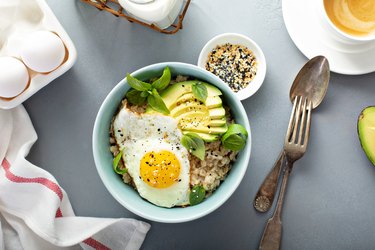
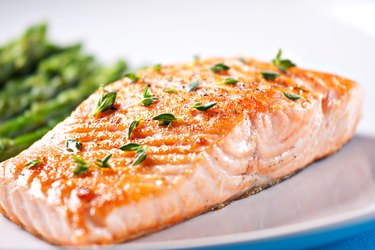
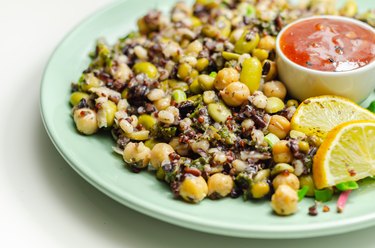
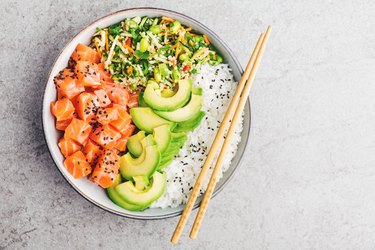
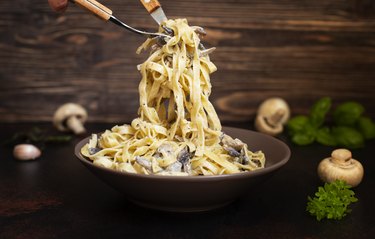
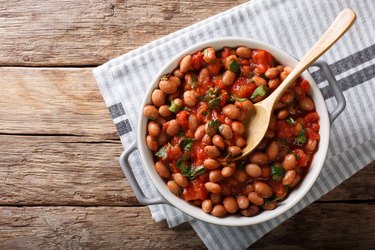
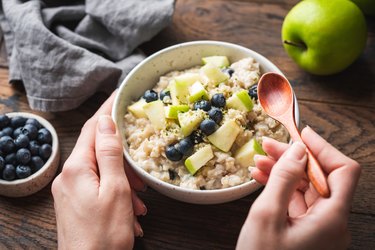
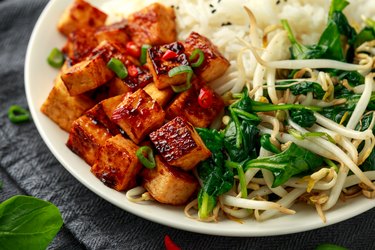
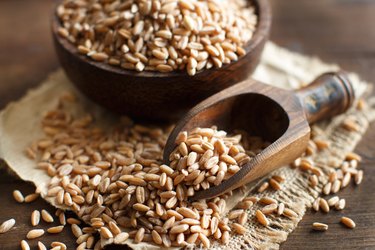
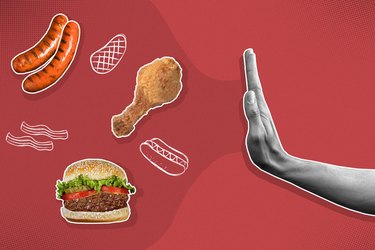
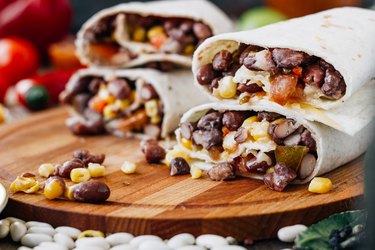
A low-purine diet involves avoiding foods that contain the highest amounts of purines. A high-purine food is categorized as a food that contains 150 to 185 mg of purine per 100 g serving. Examples of high-purine protein foods include organ meats --- such as liver --- game meats, sardines, herring, mackerel, scallops, mussels and anchovies. Other high-purine foods include alcohol, gravy, mincemeat and meat extracts. You should also limit the amount of medium purine foods in your diet. Medium purine foods, which contain 50 to 150 mg of purines per 100 g serving, include oatmeal, wheat bran, asparagus, cauliflower, spinach, mushrooms, shellfish, beans, lentils and broth.
General Recommendations
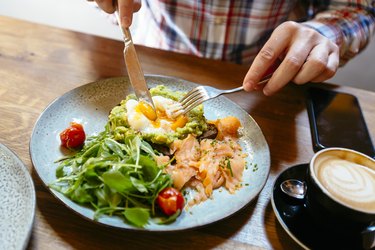
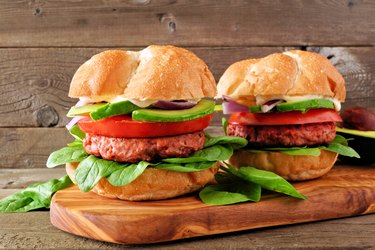
In addition to following a low-purine diet, the Dial-A-Dietitian Nutrition Information Society of B.C. provides general recommendations on the proper nutrition for gout. Even when choosing proteins that are low in purines, limit your intake of protein-rich meats to no more than 4 to 6 oz. per day. Limit your fat intake by grilling or baking food, rather than frying it and avoiding full-fat dairy products or salad dressing. Drinking 8 to 12 cups of water a day can promote urination and decrease the possibility of uric acid accumulation.


