






















































Heart Palpitations & Jogging

Heart Palpitations & Jogging
Photo Credit Jupiterimages/Photos.com/Getty Images

It's normal to experience an increase in your heart rate while jogging, but heart palpitations are another matter. Although most cases of jogging-related palpitations are minor, in some instances palpitations could be a sign of a serious underlying condition. If you experience changes in your heart rhythm while you jog, don't ignore it and seek the advice of your doctor before you continue with an exercise program.

Identification

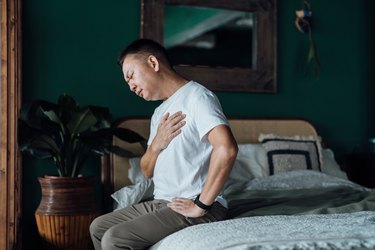
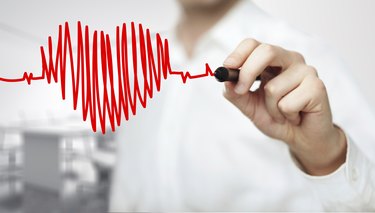
Heart palpitations are a form of heart arrhythmia, or heart rhythm disorder. They're characterized by feelings of a fast, fluttering, pounding or skipping heartbeat. You may be able to feel the palpitations in your throat, neck or chest. In rare instances, they can be accompanied by a sense of uneasiness, lightheadedness or even loss of consciousness.

Causes

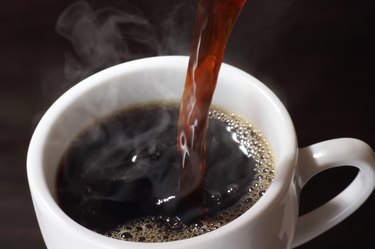
The most common, and least harmful, causes of heart palpitations are anxiety or consuming too much caffeine. Hormonal fluctuations associated with menstruation, pregnancy or menopause can also prompt new cases of palpitations, as can a lowered potassium level in your blood. Some of the more potentially serious causes include thyroid disorders and heart valve diseases such as mitral valve prolapse and atrial fibrillation.

Jogging Effects

The "missed beats" you feel while jogging are often early contractions of the ventricle chambers in your heart and should go away as your heart rate increases. If they increase as you jog, it could be a sign of heart disease. Aerobic exercise can also increase catecholamines, the "fight-or-flight" hormones released by the adrenal glands in response to stress. This, in turn, may lead to changes in heart rhythm such as atrial fibrillation. An article published in 2005 in the journal "American Family Physician" pointed out that rapid palpitations with exercise are often a sign of this condition.

Prevention/Solution

Avoid stimulants such as caffeine, nicotine, cold medicines, herbal supplements and energy drinks before and during exercise. Avoid illegal drugs such as cocaine, which can also bring on heart palpitations. Keep track of your heart palpitations, noting when they happen, how long they last and how you were feeling when they occur, so you can share this information with your doctor. If your potassium levels are low, add more potassium-rich foods to your diet such as sports drinks, orange juice and bananas. Don't take potassium supplements, however, since too much potassium is more dangerous than too little.

Warning

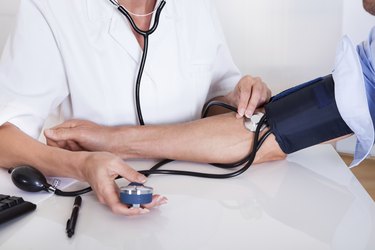
See a doctor if you experience palpitations along with dizziness, shortness of breath, chest discomfort or fainting. The more serious the symptoms, the more seriously you should take the problem, whereas an occasional skipped heart beat isn't as worrisome. But if you feel frequent extra heartbeats, six or more per minute that come in groups of three or more, or if your pulse rate races above 100 beats per minute, see a health care provider as soon as possible.

References

Article reviewed by David Fisher Last updated on: May 26, 2011

Must see: Photo Galleries