






























5 Things You Need to Know About Keratosis Pilaris

1. A Common Condition With an Uncommon Name

Keratosis pilaris is a very common genetic follicular skin condition, thought to affect up to 50 percent of people to some extent. It is caused by the building up of keratin, a form of protein, in the hair follicles. Keratosis pilaris is most common in young children, but it can also affect people of all ages. While there is no cure for keratosis pilaris, there are ways to diminish symptoms and occasionally it can resolve itself on its own.

2. Goose Bumps That Won't Go Away

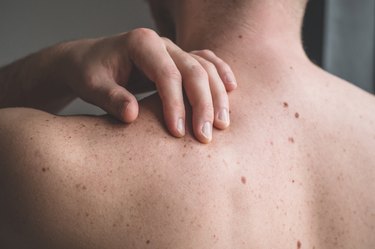
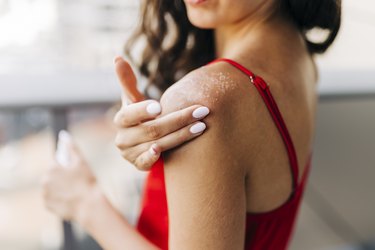
Keratosis pilaris is characterized by red, acne-like bumps which are often said to look like goose bumps. Generally keratosis pilaris causes no physical harm, other than mild scarring and minor discomfort. There are a variety of forms of keratosis pilaris, each causing acne-like bumps which can affect the entire body; however, it is most commonly found on the upper arms, upper thighs and buttocks. Depending on the variety of keratosis pilaris, the skin may become dry and rough, the bumps may become swollen and red or the condition may cause minor scarring.

3. Protein Production Run Amok

Keratin is a hard protein which is created by the body to protect the skin from infection and harmful substances; however, in keratosis pilaris it is over-produced and blocks the tiny opening of the follicles, plugging the shaft and causing rough patches and bumps. Genetic disposition and other skin conditions like atopic dermatitis and ichthyosis vulgaris may exacerbate symptoms, as well as dry skin.

4. Seeking Medical Solutions

Unfortunately, there is no cure for keratosis pilaris; however, some medicated lotions and creams can help to minimize the symptoms and improve the skins appearance. Treatments may include substances that include ammonium lactate which will soften the keratin plugs, urea to reduce redness, soften the skin and remove dead cells, corticosteriods to decrease inflammation or retinoids which promote healthy cell growth, limiting the buildup of keratin. It is important to recognize that medical treatments used long term can cause skin irritation or other side effects and that keratosis pilaris will return when treatment is stopped.

5. A Little TLC Can Minimize Keratosis Pilaris

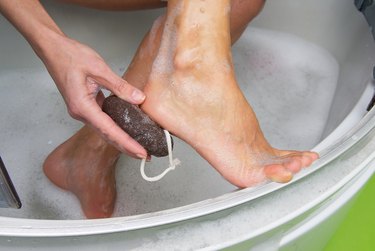
Medical treatments for keratosis pilaris are long-term and quite expensive; however there are a number of things you can do at home to help. Exfoliate your skin with a loofah or sea salt scrub daily in the shower and follow up with a moisturizer which includes urea or propylene glycol to soften skin. Lactic acid is also known to help remove excess keratin from the surface of the skin and is found in many topical creams as well as yogurt and milk. Milk and yogurt can be applied directly to the skin or even added to a hot bath as a means of treating your condition.

Last updated on: Nov 18, 2009

Must see: Photo Galleries