

















































Healthy Carbohydrates for Weight Gain

Healthy Carbohydrates for Weight Gain
Photo Credit Jupiterimages/Comstock/Getty Images

In today's society, many people struggle to lose weight on a daily basis. However, there are some people who are on the other end of the spectrum, struggling to gain weight. When it comes to gaining lean muscle tissue, you must increase your caloric intake by consuming regular meals of nutrient-dense carbohydrates.

Calorie Consumption

When it comes to gaining lean muscle tissue, you must increase your caloric intake slightly above maintenance level, but not too much to cause an increase in fat tissue. To determine your maintenance caloric intake, take your body weight and multiply it by 15, then set your calories to 500 calories over maintenance to gain muscle tissue, suggests Derek Charlebois B.S., C.P.T., author of "Bulking for Ectomorphs." After determining your total daily caloric intake, consume 50 percent of your daily calories from carbohydrate sources, 30 percent from protein sources and 20 percent from fat sources.

Healthy Carbohydrates

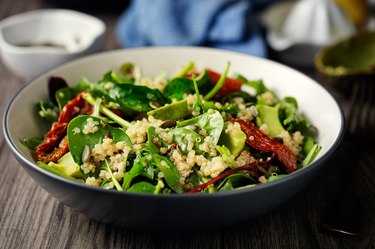
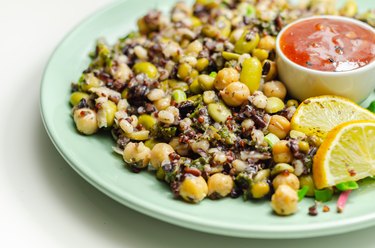
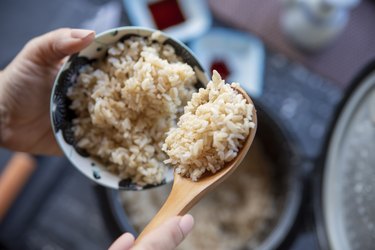
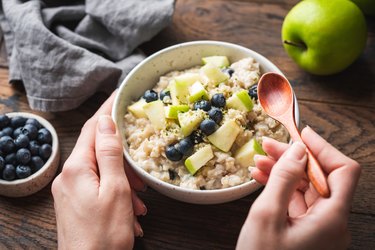
Whole-grain carbohydrates should be consumed in the morning and around your workouts, and should ideally come from sources such as oatmeal, brown rice, whole-grain bread or pasta and sweet potatoes. Fruits and vegetables are filled with vital nutrients and fiber and should be consumed throughout the day. Avoid easily digested refined carbohydrates from white bread, white rice and other refined grains, pastries, sugared sodas, and other highly processed foods. Refined carbs may contribute to fat weight gain and promote diabetes and heart disease, according to the Harvard School of Public Health.

Protein and Fat

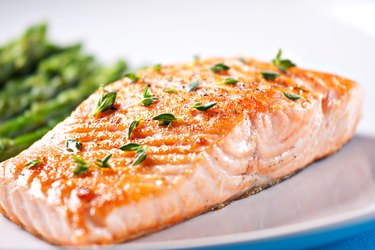
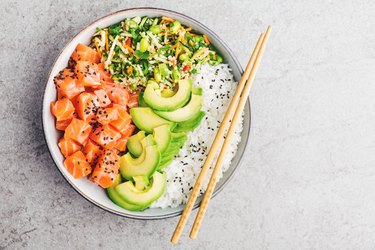
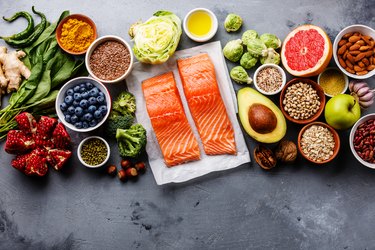
When trying to gain lean muscle weight, it is essential to consume a protein source in every meal to help repair and build new muscle tissue. Lean protein sources should come from chicken or turkey breast, fish, lean beef, low-fat dairy, eggs whites or whey protein. Fat is also essential for proper body functioning and should be included in your diet. The best sources of fat include olive or canola oils, nuts, flax seeds, natural peanut or almond butter and avocado. Additionally, whole eggs and salmon count as both a protein and a fat source.

Tips

Do not consume all of your daily calories in one or two meals. Spread your calories out over five to seven meals a day eating every two to three hours. Additionally, if weight gain does not occur after a few weeks at 500 calories above maintenance, gradually increase caloric intake until it does. If you notice you are gaining fat weight instead of muscle weight, decrease the amount of calories from carbohydrates slightly.

References

Article reviewed by BudK Last updated on: May 26, 2011

Must see: Photo Galleries

Member Comments