




























































High altitude regions have lower air pressure, making it more difficult to obtain oxygen while breathing. Many athletes believe that training in such regions improves their ability to perform in low altitude regions. For that reason, many athletes train in mountainous areas for several weeks before competitions. Some athletes live there permanently to maximize their physical development.
Function
While many aspects of altitude's effect on athletic performance are unclear, evidence suggests that the higher the altitude, the more difficult it is to perform aerobic activities. Many athletes believe that training in high altitude climates increases the effectiveness of their cardiovascular system. When these athletes later compete at lower altitude levels, their well-developed cardiovascular systems might give them an advantage over their opponents. For example, it might increase their endurance because their body delivers oxygen to their muscles more efficiently.
Effects
Endurance athletes are not the only ones whom altitude affects. The Colorado Rockies baseball team, for example, plays in Denver, which is roughly one mile above sea level. This is significantly higher than most other baseball parks, and the thin, dry air at that altitude affects how pitches travel and curve, and how far batted balls travel.
Significance
The difference between athletes at the highest levels of competition is often slight. To give themselves every advantage possible, athletes travel to high altitude climates during their training phases. When travel is impossible, some athletes attempt to acclimatize themselves by spending time in special tents or chambers that simulate high altitudes. The hypoxia, or lack of oxygen in the blood, that results from the use of such devices stimulates the body's production of erythropoietin, which in other forms is a performance-enhancing drug that many athletic organizations ban. Whether the use of these special tents amounts to illegal doping is a matter that athletic organizations are considering.
Considerations
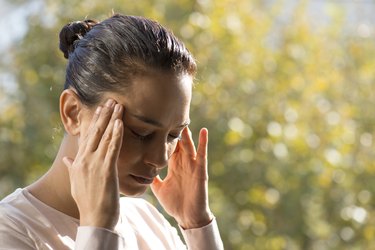
There is debate about whether high altitude training actually benefits athletes. If you're a serious competitor, ask your doctor if training elsewhere would benefit you. If you decide to train in a high altitude climate, take it easy at first. High altitude sickness can occur. Symptoms include nausea, dizziness, shortness of breath, restless sleep and headaches. These effects disappear once your body gets used to the lower oxygen level.


Member Comments