










What to Eat & Not to Eat on a Gluten-Free Diet

What to Eat & Not to Eat on a Gluten-Free Diet
Photo Credit beans image by timur1970 from Fotolia.com

The primary reason you need to eat a gluten-free diet to prevent diarrhea and pain is because you have celiac disease, a common digestive disorder in which your immune system harms the lining of your intestines whenever you eat gluten. Gluten is a protein in wheat that is safe for healthy adults but dangerous if you're diagnosed with celiac disease. Celiac disease is not the same condition as a wheat allergy, which causes symptoms because of the production of immunoglobulin E antibodies.

Diarrhea and Pain

Diarrhea and pain are common symptoms related to celiac disease after you consume gluten. After eating gluten, the tiny hairs called villi that line your intestines are damaged by an immune system reaction. Doctors are still unsure why the damage occurs, but it could cause long-term damage. The villi in your intestines help absorb nutrients from the foods you eat. If they're damaged, you can become malnourished and experience excessive weight loss. The damage to the intestines causes diarrhea and pain in the abdomen after eating gluten.

What Not to Eat

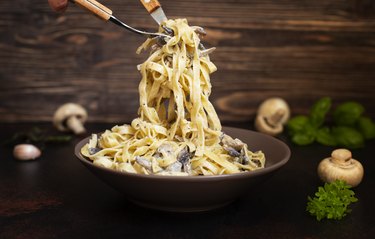
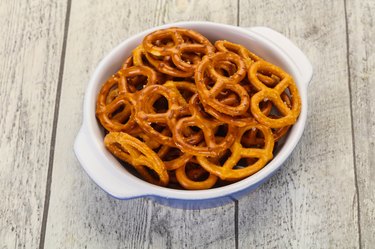
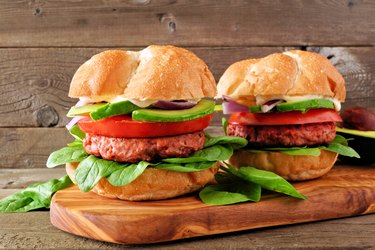
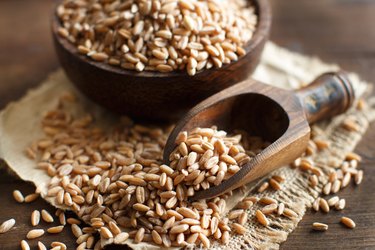
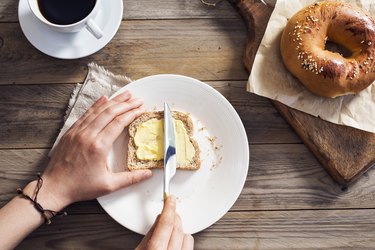
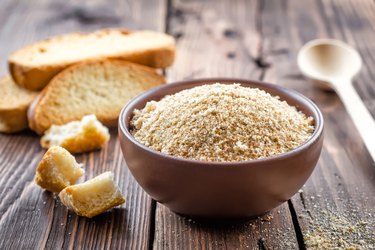
Gluten may be found in foods that are not obvious. Familiarize yourself with the various grains that contain gluten and learn to identify gluten-continuing ingredients. The following grains contain gluten: bulgur, barley, durum, graham flour, farina, rye, spelt, semolina, wheat and triticale. Avoid beer, bread, cake, pie, cereal, candy, gravy, cookies, crackers, imitation meat or seafood, pasta, sauces, soups, salad dressing and lunch meats, unless labeled "gluten-free." Oats do not contain gluten but may be contaminated with gluten during manufacturing. Purchase oats that are certified gluten-free.

What to Eat

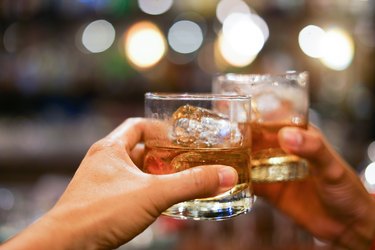
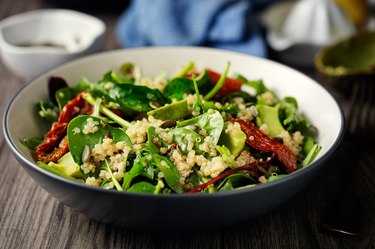
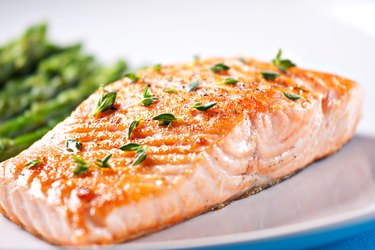
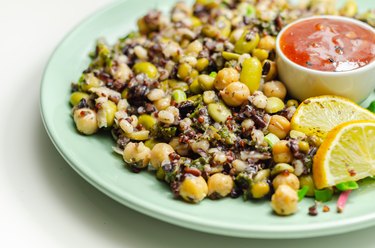
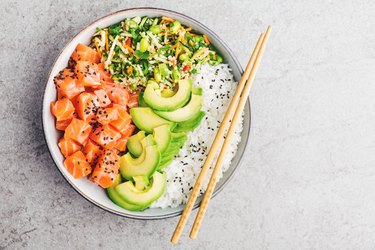
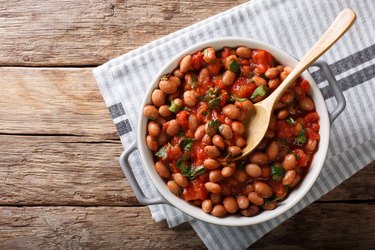
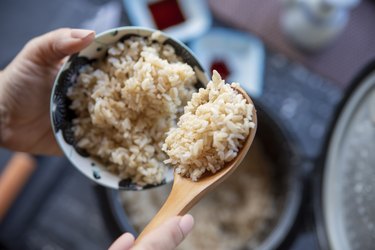
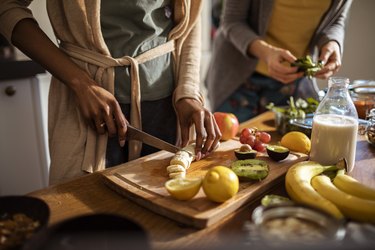
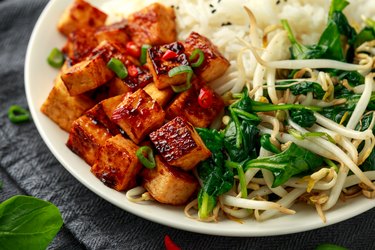
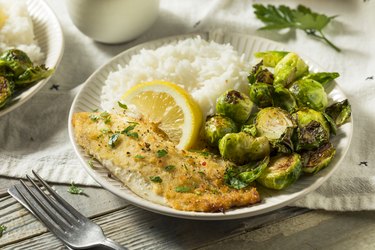
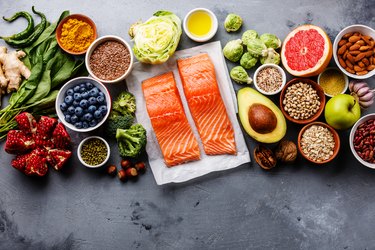
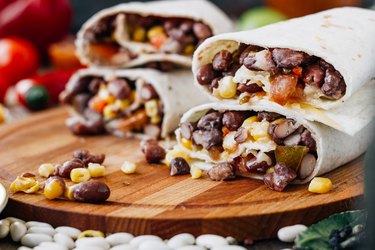
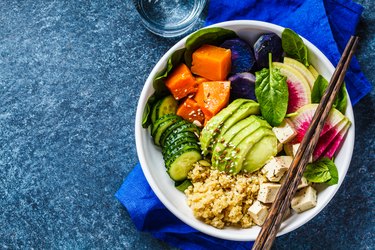
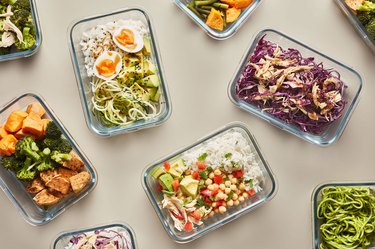
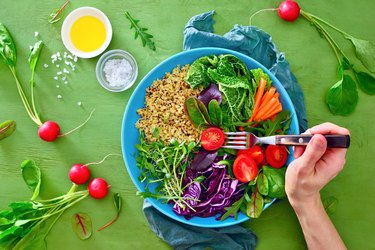
Certain grains are naturally gluten-free. The most common include arrowroot, buckwheat, amaranth, corn, rice, soy, potato, beans, quinoa and tapioca. Foods that do not contain gluten include vegetables, fruits, fresh meat, fish or poultry, rice, wine, spirits, liquors and dairy products. If you develop pain or diarrhea after eating any food, discontinue eating it until you can discuss it with your doctor.

Considerations

The MedlinenPlus warns that you should not start a gluten-free diet until you are properly diagnosed. If you are diagnosed with celiac disease, you need to work with a registered dietitian and your doctor to maintain proper nutrition and prevent common symptoms.

References

Article reviewed by Holland Hammond Last updated on: Mar 28, 2011

Must see: Photo Galleries

Member Comments