





Tea Remedies for Kidney Stones

Tea Remedies for Kidney Stones
Photo Credit marigold herbal tea image by Maria Brzostowska from Fotolia.com

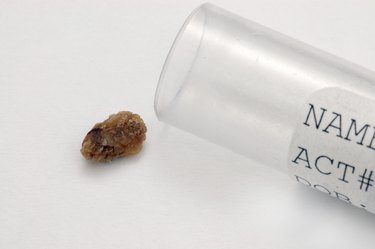
Kidney stones are made from different minerals and waste products. Small stones are often passed unnoticed; however, larger kidney stones can cause excruciating pain and often need to be removed through surgical procedures. Some kidney stones may be dissolved with the use of various herbal teas, preventing them from growing larger and causing problems. If you have a history of kidney stones, drinking herbal teas regularly may prevent long-term, ongoing health issues. Herbs can cause side effects, so consult your health practitioner before using them for treatment.

Chaparral

Chaparral, also called creosote bush, is an herb found traditionally in Mexico that is used for the treatment of kidney stones, according to the Herbal Safety website provided by the University of Texas Cooperative Pharmacy Program. In addition to dissolving kidney stones, chaparral is also used to rid the body of gallstones. Although there is no research to substantiate these claims, traditional herbalists report success when using this herb. It is very bitter and can only be used for short periods. Although there are supplements made from chaparral, the Food and Drug Administration has banned them in the U.S. because they are far more potent than the herbal tea is, and they may be dangerous in this form. If used in too concentrated a dose, chaparral may cause damage to the liver and kidneys, rather than relieving problems with stones. This herb should only be used under medical supervision.

Chinese Rhubarb

A tea made from Chinese rhubarb may prolong an individual's survival during end-stage kidney disease by relieving kidney failure, according to the "Helio Acupuncture Book, Chinese Herbal Medicine: Materia Medica." In addition, Chinese rhubarb may help to dissolve kidney stones. It can produce severe side effects such as internal bleeding, cramping and diarrhea, if not used according to strict guidelines. Chinese rhubarb should only be used under strict medical supervision and by a practitioner who is familiar with its use.

Dandelion Root

Dandelion is a known urinary tonic and can provide relief for a variety of urinary tract problems, including helping kidney stones to pass. It promotes an increase in urine output, which may work to dissolve uric acid stones by keeping them in suspension rather than allowing them to harden and attach to the kidney wall, according to the "Prescription for Herbal Healing." Once the stone has dissolved, it can pass naturally from the body during urination. Dandelion tea is also an excellent diuretic, supporting the body in flushing excess fluids from tissues. Dandelion should not be used by those taking diuretics. Consult your health practitioner before doing so.

Herbal Tea

Any of these herbs can be made into an herbal tea. To do so, place the prescribed amount of dried herb in a pot of boiling water for five to 10 minutes. Remove from the heat and allow the mixture to steep for another 5 minutes as it cools. Strain the herb and pour the tea into a cup. Leftover tea can be stored in the refrigerator and reheated or consumed cold. Add honey or stevia to sweeten. Consult your health practitioner for daily quantities of whichever tea she suggests.

References

Article reviewed by Christine Brncik Last updated on: Mar 28, 2011

Must see: Photo Galleries