




























Memory loss is classified as either short term or long term. Short-term memory loss refers to not being able to remember new or recently occurring events. Long-term memory loss occurs when you forget memories of your extended past. This second type of loss can occur naturally with aging. Short-term memory loss can occur to people of all ages.
Causes of Short-Term Memory Loss
MedlinePlus states that causes of memory loss include alcohol or illegal drug intoxication; an event where enough oxygen isn't getting to the brain; brain growths, such as a tumor or from an infection; brain infection, such as Lyme disease, syphilis or HIV/AIDS; brain surgery; cancer treatments; certain medication; certain types of seizures; dementia; depression, bipolar disorder or schizophrenia; dissociative disorder; electroshock therapy; epilepsy; head trauma, mild head injury or concussion; encephalitis; a disease that results in the damage to or complete loss of nerve cells, such as Parkinson's disease, Huntington's disease or multiple sclerosis; migraine headaches; nutritional problems, such as low vitamin B-12; or permanent damage or injuries to the brain.
B-12 Deficiency
Helpguide.org states that vitamin B-12 helps to protect neurons in the brain, which are essential to healthy brain activity; a lack of this essential vitamin can cause permanent brain damage. This deficiency may be found in older people, who have a harder time digesting all the essential nutrients from food. Helpguide.org states that a vitamin B-12 deficiency can be reversed with a monthly vitamin injection.
Dehydration
Helpguide.org also mentions that dehydration may cause short-term memory loss, in addition to confusion, drowsiness and other dementia-like symptoms. This is, of course, reversible with the proper hydration techniques: drinking plenty of water -- six to eight 8 oz. glasses of water a day; replacing lost water due to diuretic or laxative intake; and being mindful if you suffer from high blood sugar, diabetes or diarrhea.
Natural Treatment
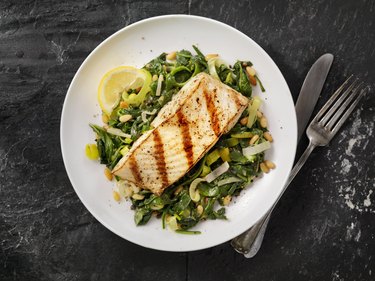
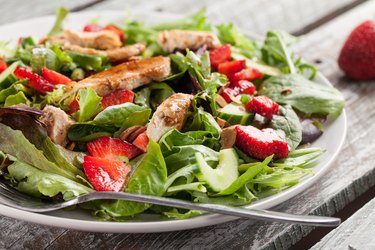
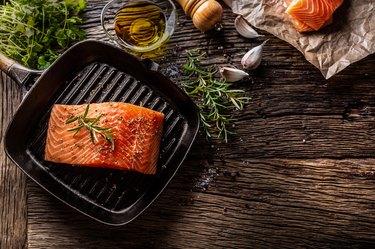
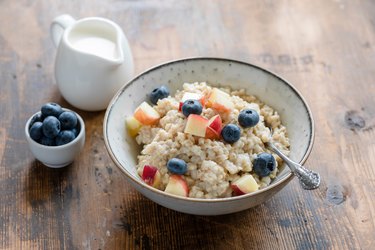
Nutrition counselor Marc Joseph, based out of California, recommends shifting to an anti-inflammatory diet with healthy fats, whole grains, lean fats, plenty of vegetables, a little fruit and filtered water for best results. He also recommends reducing or even avoiding foods altogether that contribute to poor cognitive function, such as allergens, food additives and trans fats. Joseph advises taking a supplement to give your body essential nutrients, such as antioxidants, B vitamins and zinc. Helpguide.org recommends eating a rainbow of fruits, vegetables and omega-3 fats, such as those found in salmon, tuna, trout, walnuts and flaxseed, for natural antioxidants, which help to keep your brain cells strong. Of course, you will want to discuss with your doctor which path is the right one for you.


