




Can Tea & Soda Cause Kidney Stones?

Can Tea & Soda Cause Kidney Stones?
Photo Credit Raw beef kidney image by Elzbieta Sekowska from Fotolia.com

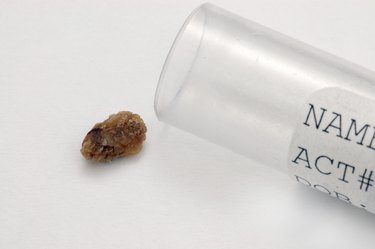
According to MayoClinic.com, kidney stones are hard little deposits that form inside the kidneys -- a condition known clinically as renal lithiasis. Composed of mineral and acid salts, kidney stones cause no permanent damage, but passing a kidney stone is painful. The pain may begin in your side or back and will travel to your abdomen and groin as the stone moves through your urinary tract -- ultimately passing through your urethra.

Symptoms of Kidney Stones

Kidney stones can cause severe pain in your side and your back, below the ribs, according to MayoClinic.com. Other symptoms include pain during urination, dark red or brown urine, pain that spreads to the lower abdomen and groin, nausea and vomiting, a persistent urge to urinate and, if an infection is present, fever and chills.

Treatment of Kidney Stones

Pain medication may be prescribed to help you deal with the pain of passing a kidney stone. Increasing your water intake, to flush out the stone or stones, may also be helpful.

Kidney Stones and Soda

In a study published in "The Journal of Urology," researchers found that diet soda may be a way to prevent some people from developing kidney stones. However, this investigation researched only citrus-flavored diet sodas. Researchers hypothesized that, because potassium citrate supplements have been a treatment for preventing calcium stones, perhaps citrus-flavored sodas might do the same. The researchers chose diet sodas to avoid intake of excess sugar. More research is needed, however, to determine if citrus-flavored sodas reduce the chances of developing calcium stones.

Phosphate-based soft drinks, which include dark cola beverages, have long been suspected as contributors to kidney stone formation. The Online Calcium Information Resource says that, in a study published in "Journal of Clinical Epidemiology," patients who consumed phosphate-based sodas in the largest amounts had the highest rate of kidney-stone recurrence.

Kidney Stones and Tea

According to the Online Calcium Information Resource, a decrease in calcium intake leads to greater urinary oxalate content. This oxalate cannot be absorbed in the stomach and intestines, so it is absorbed into and excreted through the urine -- raising the risk of calcium kidney stones. The Calcium Information Resource mentions that tea is one of the foods containing oxalate and can raise the risk of kidney stones, if consumed without maintaining adequate calcium intake.

References

Article reviewed by Joseph Coda Last updated on: Mar 28, 2011

Must see: Photo Galleries