





































Popular Diet Myths

Popular Diet Myths
Photo Credit lost weight image by Bube from Fotolia.com

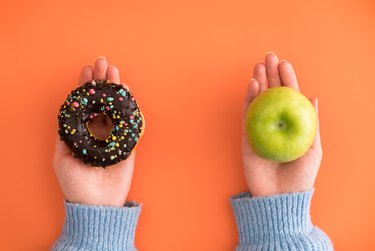
The weight loss industry makes billions of dollars a year preying on the hopes of Americans who look for a magic bullet to drop extra pounds quickly. Myths and fad diets abound but do not result in effective or long-term weight loss. Permanent weight loss and maintenance is possible, but you should be aware of popular diet myths and avoid the pitfalls of fad diets.

Rapid Weight Loss

Reality TV weight-loss stars rack up impressive weekly weight loss totals, but you should not look to these shows for dieting advice. A pattern of healthy weight loss is just 1 to 2 lbs. a week. Faster weight loss can trigger painful gallbladder attacks. Very low calorie diets, such as 800 calories or less a week, should only be attempted under medical supervision, as you could be at risk of developing a potentially fatal heart arrhythmia.

Negative Calorie Foods

You might have heard that you burn more calories digesting celery than it provides. Other myths endow grapefruit, cabbage soup, ice water or lemon juice with magical calorie-burning powers. While fruits and vegetables are low in calories and high in water content, they are not negative-calorie foods, and you should include them in your daily calorie count, and not your daily calorie burn.

No Evening Noshing

Many people believe they should stop eating after 7 or 8 p.m. or some other arbitrary hour. The truth is that no deadline in your day helps or hurts your weight-loss efforts. Look at your daily calories within the context of 24 hours. Work or school schedules that cause you to eat dinner at a late hour will not hamper your weight loss, as long as your meal fits within your calorie plan for the day. If nighttime snacking is a problem for you, plan ahead and leave enough calories for a small snack.

Fat Makes You Fat

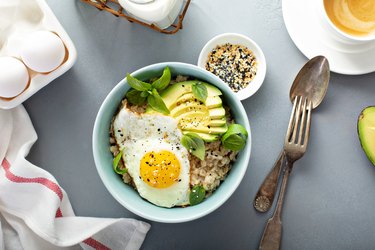
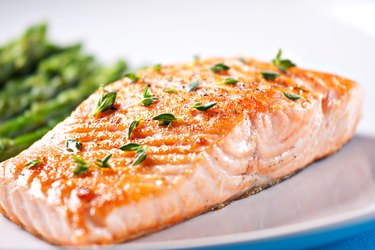
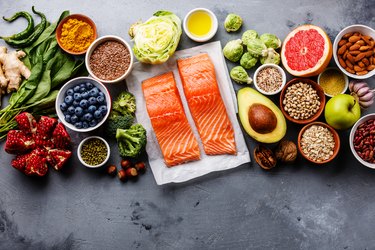
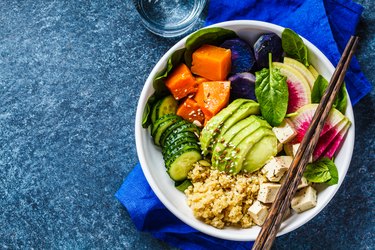
Fat has been maligned as the cause of the obesity epidemic in the United States. While fat grams contain more calories than carbohydrates and proteins, dietary fat is essential for good health and satiety. Heart-healthy fats include nuts, fish, olive oil and avocado. Because fats are calorie-dense, eat these foods in measured portions. Strive to get between 20 and 35 percent of your total daily calories from healthy fats. Avoid saturated fats, which are found in cream, butter and cheese, not because they will make you fat, but because they increase your risk of heart disease.

References

Article reviewed by OmahaTyppo Last updated on: May 18, 2011

Must see: Photo Galleries

Member Comments