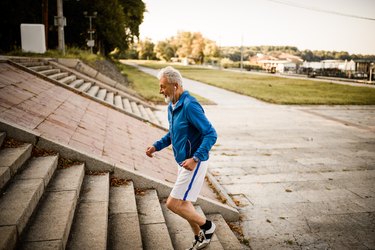
Anyone with a prostate who lives long enough is likely to develop an enlarged prostate gland, a condition known as benign prostatic hyperplasia (BPH). But the condition is different from prostate cancer, and treatment depends on a person's symptoms.
At least half of people with an enlarged prostate don't have any symptoms at all, and they typically don't require treatment, urologist Don Arnold, II, MD, chief of surgery for Southern Illinois Healthcare Herrin Hospital and Southern Illinois Health Memorial Hospital of Carbondale, tells LIVESTRONG.com.
Video of the Day
Video of the Day
Many mild symptoms — such as a frequent or urgent need to urinate — can be managed without medications or surgery. Here, we'll look at home remedies that may help you manage symptoms and shrink an enlarged prostate naturally.
What Is an Enlarged Prostate?
An enlarged prostate, or BPH, is when the prostate gland becomes larger than usual. It's not cancerous, but it can cause symptoms if the prostate gets large enough to block the flow of urine, according to Johns Hopkins Medicine.
Enlarged Prostate Symptoms
The symptoms of BPH can be similar to the symptoms of prostate cancer, according to the Mayo Clinic, so make sure to talk to your doctor about the proper screenings based on your risk factors.
Symptoms include:
- Needing to urinate often or urgently
- Peeing more often at night
- Difficulty starting or stopping urination
- Trouble emptying the bladder fully
About 25 percent of people with prostates will have BPH symptoms by age 55 and 50 percent will by age 75, according to Johns Hopkins Medicine. That said, the symptoms don't always require medical treatment. Many times they can be managed with natural remedies for BPH like the below.
1. Eat a Plant-Based Diet
The best diet for an enlarged prostate is a plant-based diet, says Elizabeth Swenor, DO, head of Henry Ford Health System's Lifestyle Integrative and Functional Medicine department.
"Decreasing animal-based foods [like red meat] is first-line therapy as far as decreasing prostate growth," she notes.
You'll want to prioritize the following foods:
Fruits and Vegetables
Vegetables, especially green leafy vegetables, and fruits like cranberries are all high in antioxidants and reduce oxidative stress on cells, Dr. Swenor says. They're also rich in fiber, providing extra ammunition against inflammation.
The foods highest in antioxidants include:
- Red beans
- Cranberries
- Artichoke hearts
- Berries
- Prunes
- Apples
- Sweet cherries
Soy
Soy is another food that's good for BPH. As a phytoestrogen, it serves as a brake on testosterone production, Dr. Swenor explains. The hormone testosterone fuels prostate growth, Dr. Arnold says.
Foods containing soy include:
- Edamame
- Soy nuts
- Soymilk
- Tofu
- Tempeh
- Miso
Resistant Starch
Green bananas are rich in fiber and, along with other foods high in resistant starch like lentils, green beans and kidney beans, feed the "good" organisms in our gut microbiome, Dr. Swenor says. This feeds into a complicated communication chain that eventually connects with the immune system and helps fight inflammation.
"A large prostate is an inflammatory process where cells are proliferating," she explains. (Take comfort in the fact that this doesn't equate with an excessive risk of prostate cancer.)
2. Try Meditation
If you've ever had to perform on stage, you know that anxiety can increase the urge to urinate. Nerves can be especially troublesome when you have an enlarged prostate and are already having symptoms like urinating at night (nocturia), straining to urinate and needing to go all the time.
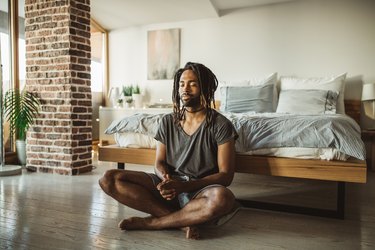
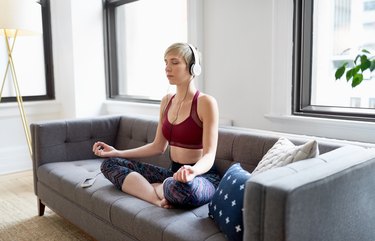
Relaxation techniques like meditation can be prostate health solutions, says Pedro Maria, MD, an attending physician in urology at Montefiore Health System in New York City. "It relaxes the overall body, and that can help you relax when you go the bathroom. You go more freely," Dr. Maria explains.

3. Add Exercise
Add physical activity to your regimen as well. "Exercise is a form of relaxation," says Dr. Maria, who is also an associate professor of urology at Albert Einstein College of Medicine. It's also a potent anti-inflammatory.
So, how much do you need to do? The Physical Activity Guidelines for Americans recommend adults get at least 150 minutes of moderate-intensity aerobic activity each week (that's about 30 minutes a day, five days a week). Examples of moderate-intensity exercises include walking, biking and swimming, but anything that gets your heart beating faster counts. You could also choose to do at least 75 minutes of vigorous activity (think: jogging or running), or a mix of the two.
All adults should also do muscle-strengthening activities at least two days per week, according to the guidelines. These should work all your major muscle groups, including your arms, chest, shoulders, core, legs, hips and back. This could mean lifting weights, or you could do body-weight exercises like air squats, push-ups and planks.
Getting enough movement each day isn't just good for managing an enlarged prostate naturally — it also lowers your risk for a number of health concerns, including cancer and type 2 diabetes.



4. Tweak Your Bathroom Habits
One of the simplest enlarged prostate remedies is to change some of your bathroom habits.
Make sure you urinate as soon as you feel the need to go and that you empty your bladder completely each time you go. This will reduce the number of trips you need to make to the bathroom, both day and night.
Michigan Medicine offers the following tips to make it easier to fully empty your bladder when you have BPH:
- Relax as much as possible before you urinate. Anxiety can make it even more difficult to urinate, so try not to worry about your symptoms and consider meditation for a few minutes or do some deep breathing.
- Don't rush. Give yourself plenty of time in the bathroom.
- Consider sitting on the toilet instead of standing to help you relax.
- Turn on a faucet or visualize running water; this may help get your urine flowing.
- Read or think of other things while you urinate to help you stay relaxed.
- Try double voiding: Urinate as much as possible, relax for a few moments, then urinate again.
5. Check Your Meds
Certain medications, including some antihistamines and decongestants, can affect the urge to urinate, according to Harvard Health Publishing. In other words, they could make your enlarged prostate symptoms worse.
Check with your doctor to see if any over-the-counter or prescription drugs you're taking are aggravating your symptoms, and whether there are alternatives that could cause fewer side effects.
6. Watch What You Drink (and When)
Any liquids that go in must ultimately come out. You can cut down on urinary irritation by monitoring when and where you drink.
Both caffeine and alcohol spur the kidneys to make urine, which means ever more trips to the bathroom, per Harvard Health Publishing. Moderating these, especially at night, can cut down on how often you need to go.
Also, limit how much you drink, whatever the fluid — water, cranberry juice, coffee or wine — before you go to bed and before you leave the house.
What About Acupuncture?
Several studies have suggested acupuncture can shrink an enlarged prostate. One review of eight randomized controlled trials (considered the gold standard in medicine) concluded acupuncture could reduce BPH symptoms in four to six weeks, per April 2017 results in PLOS One.
But eight studies is not a lot, and the authors of the review suggested that more research be done over longer periods of time before any recommendations are made — and you'll want to avoid ineffective prostate remedies when you're searching for relief.
What About Herbal Supplements?
Although some people claim herbal remedies for prostate enlargement relief — such as saw palmetto, beta-sitosterol, pygeum, stinging nettle, rye grass pollen extract and turmeric — help their symptoms, there's really no evidence to back up their benefits.
"It's all hypothetical," Dr. Maria says.
And over-the-counter supplements may even be harmful. Supplements aren't regulated by the Food and Drug Administration as strictly as prescription medications. "They don't have to prove what's in the supplement, and there's no standardization," Dr. Swenor says.
Some supplements also have medications in them and can interact with other drugs, like blood thinners, Dr. Maria adds.
For these reasons, make sure to talk to your doctor before trying any herbal supplements.
What About Ayurvedic Medicine?
Ayurvedic medicine is an ancient Indian practice that seeks to optimize health with diet, exercise and lifestyle changes. Although the internet is peppered with accounts of Ayurvedic medicine shrinking an enlarged prostate, the actual evidence is slim to none.


When to See a Doctor
Talk to your doctor about any urinary symptoms you're experiencing, because there could be other underlying causes worth treating, according to the Mayo Clinic. Definitely bring them up if they're bothering you or interfering with your daily activities or sleep. If you can't pee at all, seek immediate medical attention.
FAQ
Common Questions
How do you treat an enlarged prostate naturally?
Your best bet is to follow the tips above by adopting a plant-based diet, getting enough exercise and practicing relaxation techniques like meditation.
Can an enlarged prostate go back to normal?
There's evidence that it can, in some people, according to the Cleveland Clinic. But it doesn't always, so if your symptoms persist (or get worse), talk to your doctor.
What are the warning signs of an enlarged prostate?
Per the Cleveland Clinic, these can include:
- Trouble starting to pee
- Dribbling when you pee
- Needing to pee often or urgently
- Peeing more during the night
- Trouble fully emptying your bladder
- Pain while peeing or after ejaculating
- Changes in the color or smell of your pee
- Harvard Health Publishing: “4 tips for coping with an enlarged prostate”
- Harvard Health Publishing: “Natural ways to treat an enlarged prostate”
- Mayo Clinic: “Benign Prostatic. Hyperplasia (BPH)”
- PLOS One: “Acupuncture for benign prostatic hyperplasia: A systematic review and meta-analysis”
- National Center for Complementary and Alternative Health: “Ayurvedic Medicine: In Depth”
- Physical Activity Guidelines for Americans, 2nd Edition
- Michigan Medicine: "Enlarged Prostate: Bathroom Tips"
- Johns Hopkins Medicine: "Benign Prostatic Hyperplasia (BPH)"
- Cleveland Clinic: "Benign Prostatic Hyperplasia"
Is this an emergency? If you are experiencing serious medical symptoms, please see the National Library of Medicine’s list of signs you need emergency medical attention or call 911.