



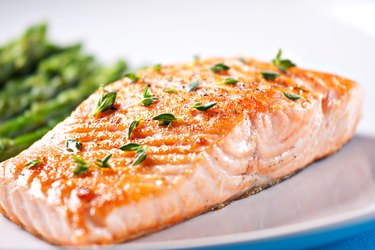
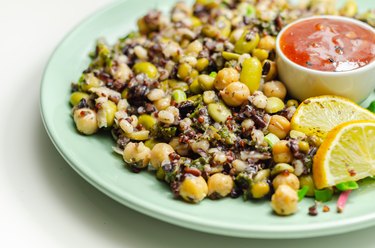
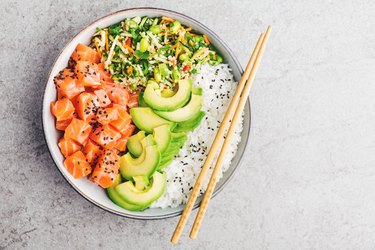
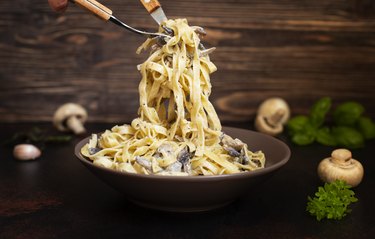

















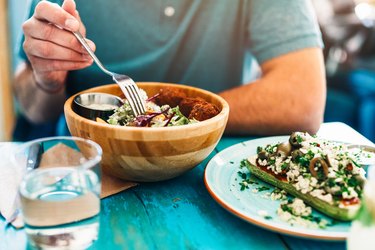











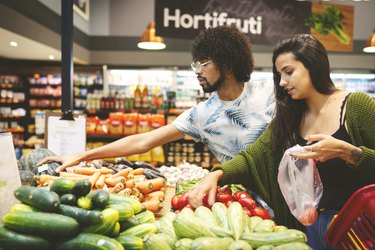
If vegetarians do not pay attention to nutrition, health problems can arise, ranging from anemia to low energy levels and improper growth. There are a number of vegetarian diets that range from completely animal-free vegan diets to more liberal lacto-vegetarian diets that include animal by-products such as dairy and cheese. Ovo-lacto vegetarians eat eggs and semi-vegetarians include fish and chicken in their daily diets.
Benefits
According to doctors at the American Heart Association (AHA), there are plenty of other sources of protein besides meat. Plant proteins that come from vegetables, whole grains and legumes are complete proteins with all the essential amino acids needed for proper nutritional balance. Problems with skin, muscles, organs and bones can arise when vegetarians don't eat enough calories from plant-based protein to supply their needs.
Warning
A vegetarian diet must be planned to keep the amounts of fat at minimum levels. AHA doctors report that many vegetarians consume too many sweet foods high in saturated fats and calories to fill them up when they don't fill up on healthy nutritional food. Vegetarians who derive their protein from eggs often end up with higher than normal cholesterol levels. One egg yolk contains 213 milligrams (mg) of cholesterol, close to the recommended 300 mg.
Effects
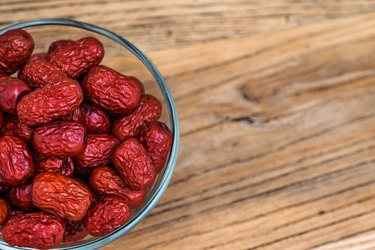
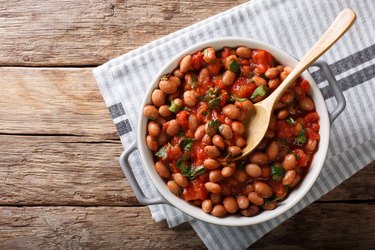
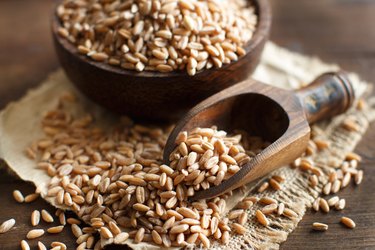
Vegetarians often become iron deficient because meat is one of the best sources of iron. Proper iron levels are needed for red cell development. Egg yolks also are a good source of iron but contain high fat and cholesterol levels. To avoid iron deficiency, vegetarians should eat fortified cereal and wheat products as well as dried beans, dried fruit and spinach.
Considerations
Other issues common to vegetarians who don't eat any meat products include vitamin D and B-12 deficiencies. Without enough vitamin B-12, vegetarians can develop anemia. B-12 must be obtained from fortified products such as cereal, soymilk and other soy products as well as some brands of brewer's yeast, used to make bread. Vitamin D, found in milk, must be obtained from sunlight for vegans who don't eat any dairy. The AHA recommends that Vitamin D be included in a daily vitamin supplement.
Function
Zinc, which is important for development and proper growth is another mineral found mainly in meat products. To avoid zinc deficiencies, vegetarians should include plenty of grains, legumes and seeds in their diets. Shellfish is one of the best sources of zinc for vegetarians who eat fish.
Potential
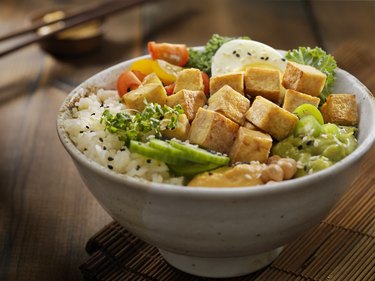
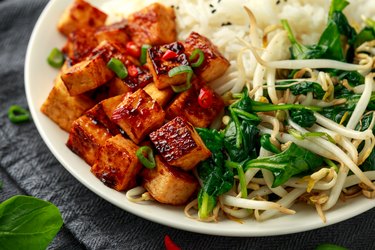
Doctors at the Mayo Clinic report that strict vegans often need to find good sources of calcium to avoid bone loss and weak teeth. Dark green vegetables such as kale, spinach, turnips and collard greens can supply sufficient calcium, while tofu and other fortified soy products also can provide calcium.


Member Comments