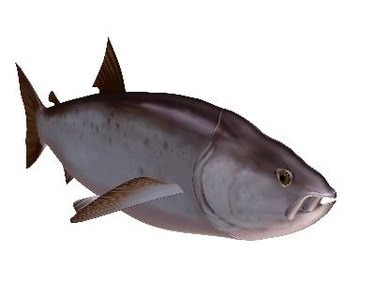
Essential fatty acids, which include omega-3 and omega-6 fatty acids, are necessary for your health but can't be manufactured by your body. This means you have to consume a food or supplement that provides these fatty acids to prevent a deficiency that can cause cognitive and neurological impairment, according to the University of Maryland. Foods such as certain types of fish and shellfish can provide you with both omega-3 and omega-6 fatty acids. Consuming these foods once or twice weekly in lieu of red meat can also help you eat less saturated fat. Check with your doctor before making significant changes to your diet.
Cold-water Fatty Fish
Video of the Day
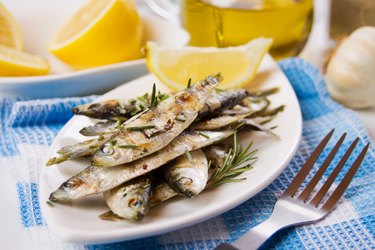
Fish that live in cold water naturally have an extra layer of insulating fat that is also rich in omega-3 fatty acids. These fish, which include salmon, mackerel, tuna and sardines, can fulfill your body's requirements for omega-3s in a single 3-ounce serving. The American Heart Association cautions that consumers purchasing these omega-3-rich fish should be aware that certain species may contain higher than recommended levels of mercury. This dangerous metal is generally found in predatory and older fish, and is contained in the skin and outer fatty tissue. Removing these portions and eating a wide variety of fish can help reduce your risk of consuming excess mercury.
Video of the Day
Shrimp
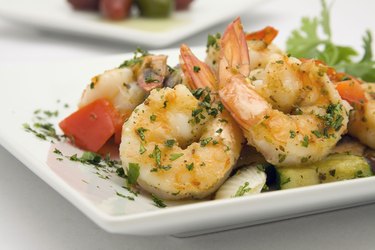
A single serving of shrimp, specifically the jumbo variety, contains 0.15 to 0.29 grams of omega-3 fatty acids. According to the American Heart Association, individuals who have high levels of triglycerides should aim for consumption of 2 to 4 grams of omega-3 fatty acids daily. If you don't have a pre-existing health condition, two servings of omega-3 rich fish or shellfish will provide the recommended daily amount. Excess consumption of omega-3 fatty acids in supplement form, above 3 grams daily, should be taken under the guidance of your physician. Large amounts of these fats can have an anticoagulant effect, causing impaired clotting.
Dungeness Crab and Lobster
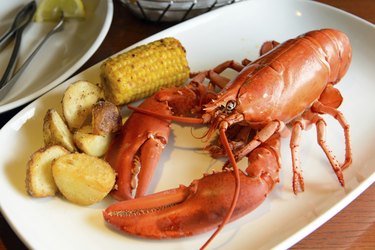
Large-scale shellfish such as dungeness crab and lobster contain the highest amount of omega-3 fatty acids of all shellfish. Dungeness crab contains approximately 0.24 grams of omega-3 fatty acids per 3-ounce serving, according to the Linus Pauling Institute at Oregon State University. Lobster contains between 0.07 and 0.46 grams of omega-3s per 3-ounce serving, according to the American Heart Association. Like their omega-3-rich fish counterparts, these shellfish may contain mercury and should be consumed in rotation with a variety of other sources of omega-3s.
Oysters, Clams and Scallops
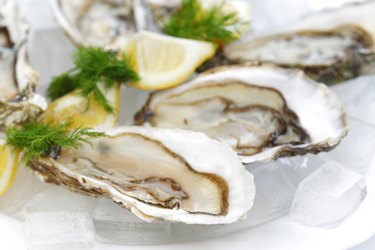
Although not technically considered shellfish, oysters, clams and scallops are enjoyed as seafood fare and are rich in omega-3 fatty acids. A single 3-ounce serving of Pacific oysters provides your daily recommended amount of omega-3 fatty acids. Scallops contain between 0.18 and 0.34 grams of omega-3s per 3-ounce serving, according to the American Heart Association, and 3 ounces of clams provide 0.25 milligrams of omega-3s. Unfortunately, these delicious bivalves are also prone to absorbing mercury from their environment, so choose farmed varieties or rotate with other kinds of seafood.