




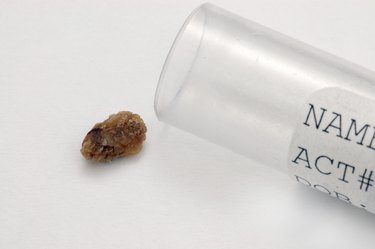
Around 80 percent of all kidney stones contain calcium, usually combined with oxalate, according to gastroenterologist Frank W. Jackson. Changing your diet may decrease the formation of often painful kidney stones by lowering the mineral content in your urine. Kidney stones form when the urine is saturated with minerals, and crystals clump together to form stones. Because kidney stones tend to recur, dietary modifications are a good preventative measure against future stones.
Calcium
Although it sounds logical to limit foods high in calcium when you have calcium stones, calcium elimination is not usually part of a diet to decrease calcium stone formation. Calcium binds with oxalate in the intestine, which prevents absorption and allows excess calcium to be excreted through the intestine. Low calcium intake may increase the risk of stones, because excess oxalate that has no calcium to bind with is absorbed. Because the body normally doesn't absorb more calcium than needed, limiting calcium intake normally doesn't prevent calcium stones. The exception is if you have hypercalciuria, high levels of calcium in your urine. Calcium supplements may increase the risk of calcium stones, notes the National Institute of Diabetes and Digestive and Kidney Disorders. Taking calcium supplements with meals helps the calcium bind with oxalate and reduces the risk.
Fluids
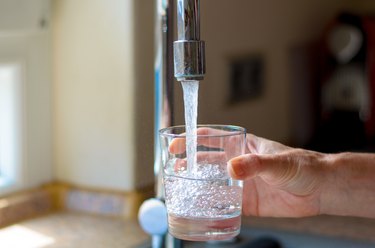
Increasing fluid intake is the most important dietary measure in preventing kidney stones. Increasing fluid intake to 8 to 10 oz. of fluid every hour while awake helps dilute urine, which decreases the risk that minerals will clump together, Jackson states. Drink at least 3 to 4 qts. of fluids per day. Water should compose 50 percent of your daily fluid intake, advises Jackson. Avoid colas, grapefruit and cranberry juice, which increase the risk of kidney stones forming.
Oxalate
In some cases, your doctor may suggest limiting oxalate intake to 50 mg per day. Eight foods have the highest risk of causing elevated oxalate levels in the urine, Jackson notes: rhubarb, spinach, strawberries, chocolate, wheat bran, nuts, beets, and tea. Avoid drinking more than 8 oz. of coffee per day; beer, Concord grapes and leafy green vegetables are also high in oxalates.
Sodium
Reducing sodium can help reduce the amount of calcium that passes through the kidneys. Limiting sodium to 2,400 mg a day helps prevent calcium oxalate or calcium phosphate stones, the NIDDK recommends. Avoiding processed foods is one of the best ways to lower sodium intake. Refined sugars in processed foods can also increase the risk of calcium stones.


