




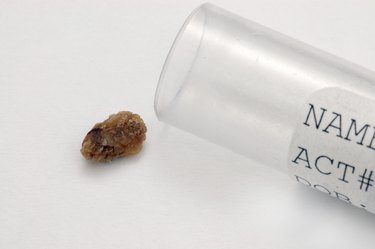
Oxalic acid, also called oxalate, is a compound found in many plant foods. It can also be synthesized by the body when large amounts of vitamin C are consumed. In some people, oxalic acid accumulates in the urine, reaching such high levels that it can no longer remain dissolved. Crystals of oxalic acid form and these may aggregate into a solid mass known as a kidney stone.
Causes
Oxalic acid stones are the most prevalent type of kidney stone. It is not known why certain people are more sensitive to the accumulation of oxalic acid than others. However, if you develop one oxalic acid stone you are at an elevated risk for recurrence. Other risk factors include a family history of kidney stones, obesity, a diet high in protein, salt and sugar and certain medical conditions. Men over the age of 40 are more likely to develop kidney stones.
Diet
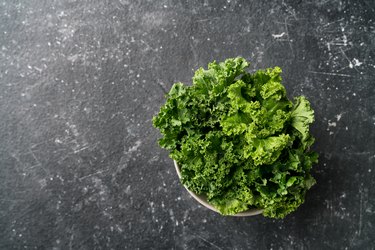
If you tend to experience kidney stones containing oxalic acid, your doctor may advise you to reduce your consumption of foods that contain oxalate. Six foods have been shown to elevate the levels of oxalic acid in urine: nuts, wheat bran, spinach, rhubarb, beets and dark chocolate. Other foods that are high in oxalic acid -- in other words, contain more than 10 mg per serving -- include black tea, draft beer, cocoa, berries, purple grapes, citrus peel, dark green leafy vegetables, soy foods and more.
Hydration
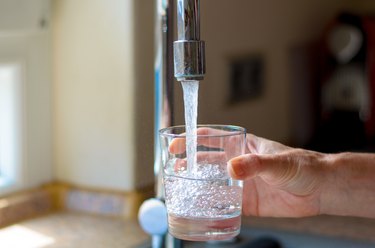
Proper hydration can help you prevent kidney stone formation. You should aim to pass about 2.5 liters of urine each day. The extra water that you drink will dilute the concentration of oxalic acid in the urine and prevent the formation of the initial crystals. Increase your consumption of water whenever the weather is hot and humid and during periods of intense activity. If you do eat a food that contains high levels of oxalic acid, add an extra 8-oz. glass of water to reduce the impact.
Treatment
Oxalic acid stones are usually flushed out through the urinary tract by drinking large amounts of water. This should be monitored by a health care provider. You may receive pain medication to reduce the discomfort associated with passing the stone. Rarely, a larger stone may require surgery or extracorporeal shock wave lithotripsy to break down a large stone into smaller pieces. Your doctor may prescribe a thiazide diuretic to prevent the formation of future stones.


