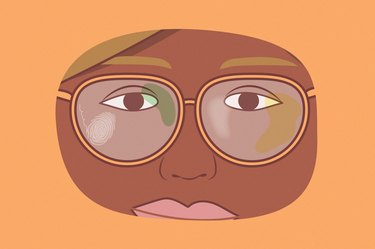











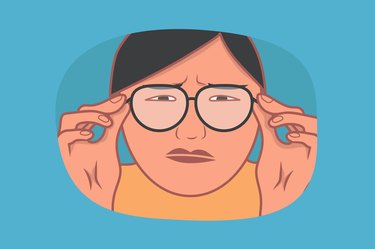








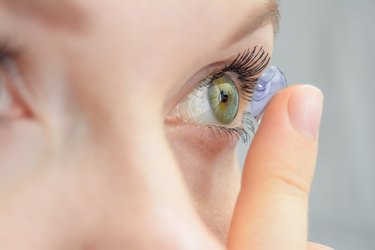
















Itchy, swollen eyes are often caused by the same allergens that cause nasal allergies. Like nasal allergies, swollen eyes occur most often in the spring and fall, according to Baylor College of Medicine in Houston. Some of the most common allergens that affect eyes are tree, weed and grass pollen, mold spores and pet dander, according to the University of Illinois Medical Center's Department of Ophthalmology and Visual Services.
Causes
If you're allergic to a substance, it triggers an immune response in your body to fight if off. In many cases, that response includes the production of histamines, which are strong chemicals that create itching and swelling in the body, including the eyelids and conjunctiva, which is the membrane that lines the inside of the eyelid.
Prevention Best Medicine
In many cases, prevention is the best way to prevent eye discomfort, according to Baylor College of Medicine. Keep track of pollen counts and stay inside as much as possible during days with high allergic risk. Use an air filter to clean air as it enters your home, and keep your windows closed as much as possible to prevent irritants from getting inside the house.
Solution
If your eyes are infected, rinsing them with cool water or applying a cool compress can provide relief. You can also use artificial tears, available over the counter, to flush out irritants and relieve itching. Medications designed for nasal allergies can also help soothe the itching and swelling caused by irritated eyes. In some cases, your eye doctor might prescribe special eye drops or medication with antihistamines to stop the allergic reaction.
Considerations
Though the temptation is strong to rub your eyes to relieve the itching, doing so can prolong your discomfort, according to Baylor College of Medicine in Houston. You should avoid rubbing and even touching your eye area until the discomfort is gone.
Treatment
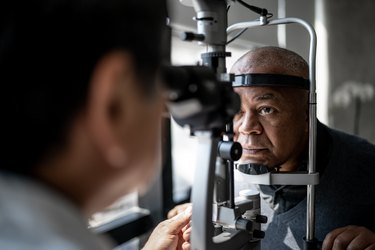
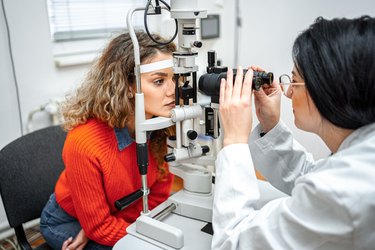
Though itchy and swollen eyes are most commonly caused by allergic reactions and can usually be treated at home, if your discomfort persists for more than a few days, you observe discharge in the affected eye, you experience light sensitivity or eye pain, or you notice decreased vision, you should call your health care provider. These symptoms can suggest a more serious cause for your eye irritation, such as a bacterial infection or conjunctivitis (also known as pink eye).


