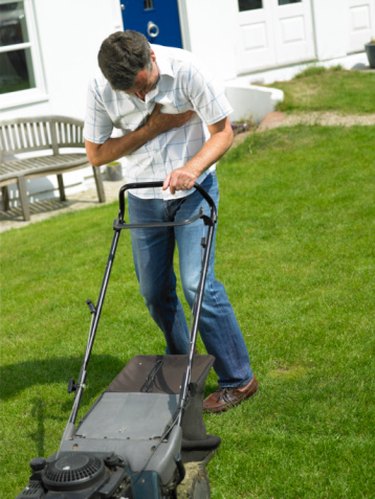
Excess cholesterol, fat and calcium can collect along the walls of your arteries, forming plaque and restricting blood flow. Called atherosclerosis, this narrowing and hardening of your arteries can lead to cardiovascular disease. When blood vessels become narrowed or clogged, organs, tissues and nerves don't get the oxygen and nutrients they need. If the arteries to your heart are affected, you may have angina or a heart attack. If the blood flow to your brain is compromised, it can lead to a stroke. Fortunately you can reverse atherosclerosis through lifestyle changes.
Step 1
Lower your dietary cholesterol intake. "Bad" low-density lipoprotein cholesterol in the blood is the primary reason that plaque forms. You can lower your LDL cholesterol levels by eating foods high in soluble fiber, such as oatmeal, and adding plant sterols to your diet. Foods such as orange juice and yogurt are now being fortified with plant sterols, which block the absorption of LDL cholesterol. According to the Mayo Clinic, 2 g of plant sterols, the amount found in two 8-oz. glasses of fortified orange juice, can reduce LDL cholesterol by 10 percent.
Video of the Day
Step 2
Eat foods high in omega-3 fatty acids. Found in wild salmon and other cold-water fatty fishes, omega-3s are a type of polyunsaturated fat that can reduce blood pressure, lower triglycerides -- another type of cholesterol that can cause atherosclerosis -- and increase "good" HDL cholesterol levels. Although there are some vegetarian sources of omega-3s, such as walnuts, flax seeds and purslane, the highest concentrations of DHA and EPA, two types of omega-3s thought to provide the most benefit, are found in mackerel, sardines, salmon and herring. The American Heart Association recommends two 7-oz. servings of fish weekly.
Step 3
Follow a low-fat diet. The first diet proven to reverse atherosclerosis and prevent heart disease was developed by Dr. Dean Ornish. It's a low-fat ovo-lacto vegetarian diet that limits simple carbohydrates and eliminates saturated fats. The Ornish program recommends that 70 percent of your calories come from whole grain, high-fiber carbohydrates, 20 percent of your calories come from protein and only 10 percent of your calories come from fat. By comparison, a typical American diet is up to 50 percent fat, according to AltMD. The American Heart Association recommends that no more than 30 percent of your diet come from fat.
Although the diet is proven to reverse atherosclerosis, many people find it difficult to stay on this diet long-term; it is very restrictive and does not allow any meat, fish, nuts, seeds or oils. It does require omega-3 fish oil supplements, but eating the fish isn't allowed, because of the high fat content.
Tip
In addition to dietary changes, stop smoking, exercise regularly, limit your alcohol intake and maintain a healthy body weight to reverse atherosclerosis.
If lifestyle changes alone aren't enough to lower your cholesterol levels, your doctor may recommend medication, such as statin drugs or niacin, to help.
Warning
High cholesterol levels are often a symptom of serious underlying medical issues, such as diabetes or liver and kidney disease. Your doctor can help determine the causes of your high cholesterol and atherosclerosis, as well as the best treatment options.
Video of the Day
Is this an emergency? If you are experiencing serious medical symptoms, please see the National Library of Medicine’s list of signs you need emergency medical attention or call 911.