






















































The mineral vanadium, and its associated form vanadyl sulfate, is named after the Scandinavian goddess of beauty and youth, but there's no scientific evidence it's actually beneficial for anti-aging. Although much about the mineral is unknown, it's been promoted by bodybuilders and others for its performance enhancing properties. Researchers studying the mineral's effects on health are finding it may have potential in limited situations, but in high doses it could be dangerous.
Identification
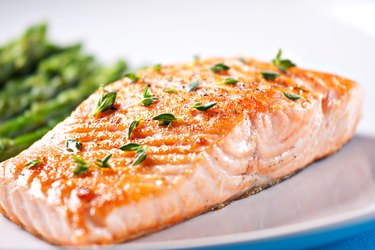
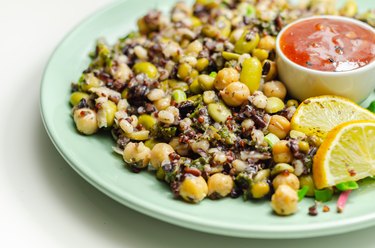
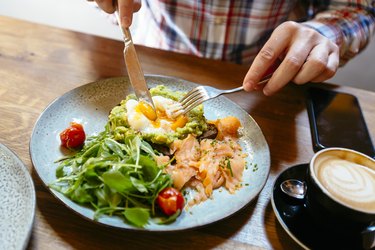
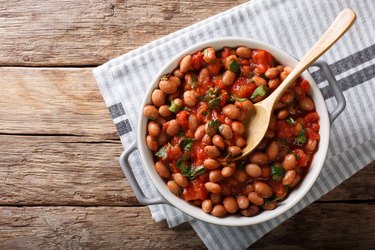
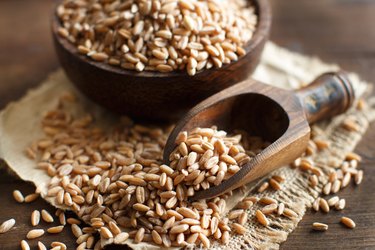
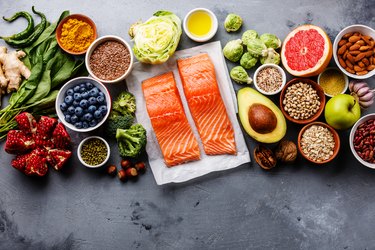
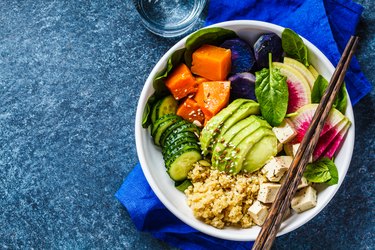
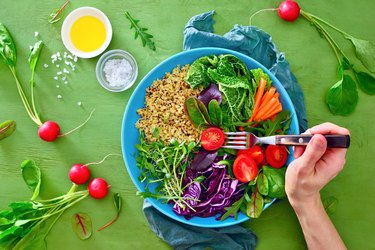
Vanadium is a trace mineral that is thought to be essential, meaning your body needs it in small amounts, possibly for normal bone growth. Your body only absorbs 5 percent of vanadium content in the foods where it's found, such as mushrooms, shellfish, soy, grain products, canned fruit juices, carrots, cauliflower, sunflower seeds, parsley, dill weed, garlic, black pepper, wine and artificially sweetened beverages. Vanadium exists in several forms, including vanadyl sulfate, the one most often found in dietary supplements.
Dosing Recommendations
There are no safe doses recommended for infants or children. The normal dose an adult body requires is unknown, but the general recommendation is 10 mcg to 30 mcg per day, according to the University of Maryland Medical Center, with a typical diet containing 6 mcg to 18 mcg per day. Human deficiencies haven't been reported, but goats fed a diet low in the mineral developed birth defects. Research studies have used doses as high as 125 mg per day, although it's not known what the long-term effects of such doses might be.
Bodybuilding
Vanadyl sulfate is frequently promoted as a sports supplement, which prompted researchers in New Zealand to investigate vanadyl sulfate's effectiveness for performance enhancement. The study, published in the "International Journal of Sports Nutrition" in 1996, was a 12-week, double-blind, placebo-controlled trial involving weight-training volunteers taking 0.5 mg/kg/day of oral vanadyl sulfate, a dosage more than 1,000 times the usual recommended amount. There was no change in body composition among those taking the supplements versus a control, with little in the way of increased performance abilities.
Diabetes
Vanadium and vanadyl sulfate have insulin-like effects that have been studied on laboratory animals and humans in limited trials. One study at the University of Texas in 2001, published in "The Journal of Clinical Endocrinology & Metabolism," found that vanadyl sulfate was able to reduce blood sugar levels and improve insulin sensitivity in people with type 2 diabetes. However, the dosages, 150 mg/day for six weeks, are far above tolerable upper intake levels.
Cautions
Although scientists still don't have a definitive recommended daily minimum or maximum dose for vanadyl sulfate, in human and animal studies with higher doses, side effects have ranged from the mild --- stomach pain, diarrhea, nausea, vomiting and gas --- to the more serious, including anemia and liver and kidney damage. Check with your doctor before adding vanadyl sulfate supplements in any dosage amount to your daily diet.
References
- University of Maryland: Vanadium
- Beth Israel Deaconess Medical Center; Vanadium; February 2011
- "The Journal of Clinical Endocrinology & Metabolism"; Vanadyl Sulfate Improves Hepatic and Muscle Insulin Sensitivity in Type 2 Diabetes; K. Cusi, et al.; 2001
- "International Journal of Sports Nutrition"; The Effect of Oral Vanadyl Sulfate on Body Composition and Performance in Weight-Training Athletes; J.P. Fawcett, et al.; December 1996


Member Comments