











A Diet With Coumadin Therapy

A Diet With Coumadin Therapy
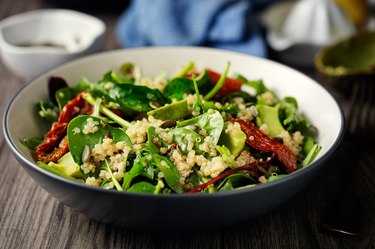
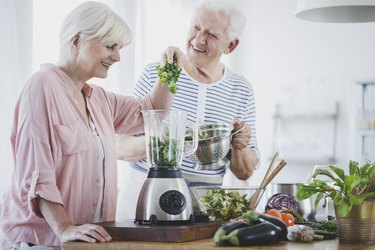
Photo Credit spinach image by Sergey Goruppa from Fotolia.com

Coumadin is a prescription medication that is commonly used as a blood thinner. It is used to help prevent blood clots in patients who are at risk of developing such cell masses. Blood clots increase the risk of strokes and heart attacks. Since Coumadin works by decreasing the activity of vitamin K, used to initiate clotting, diet is an especially important component of Coumadin therapy. You should consult your physician regarding your diet while taking Coumadin, especially before changing your diet.

Coumadin Monitoring

Coumadin levels are monitored by blood tests that measure prothrombin time (PT), which refers to a measure of how well the blood clots; and international normalized ratio (INR), used to calculate the effectiveness of blood thinning drugs such as Coumadin. A prolonged PT can indicate liver disease, low vitamin K or defective clotting factors. Patients with artificial heart valves or atrial fibrillation require higher INRs of 2.5 to 3.5. If you only need basic blood thinning, you should have an INR of 2.0 to 3.0. Coumadin levels are monitored frequently when starting therapy, and less often as therapeutic levels are maintained.

The Importance of Vitamin K

Vitamin K is used by the body for blood clotting. When you are taking Coumadin, it is important that you eat a consistent amount of vitamin K daily to avoid adversely nullifying the effectiveness of the Coumadin. Too much vitamin K can inhibit the effectiveness of the medication and increase the incidence of clots. Too little vitamin K can add to Coumadin's effects, with an increased risk of bleeding. To manage your vitamin K intake, limit foods high in vitamin K to one serving daily, and moderately high foods to no more than three servings daily.

Foods High in Vitamin K

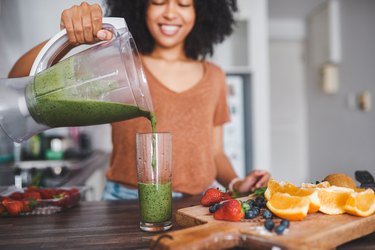
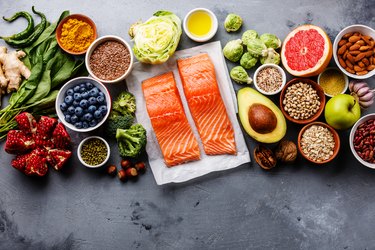
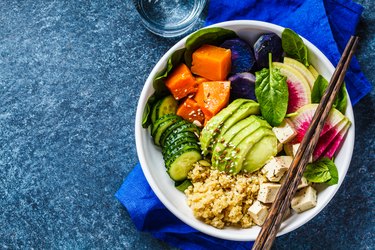
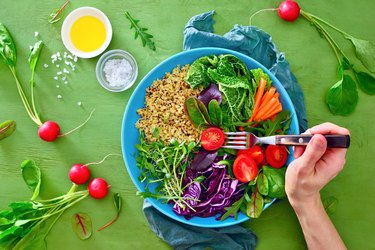
Foods high in vitamin K contain more than 200 percent of the recommended daily value. Kale is the highest in vitamin K, with a whopping 660 percent of the vitamin's recommended daily intake. Other foods high in vitamin K include fresh, boiled spinach; collards; chard; and mustard greens. One serving of each of these foods equals a half-cup.

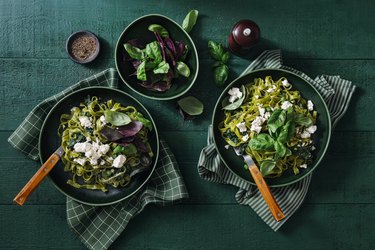
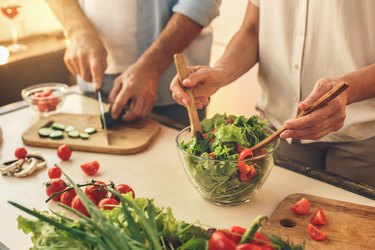
Foods moderately high in vitamin K include Brussels sprouts, raw spinach, broccoli, endive and romaine lettuce. One serving for each comprises a cup, except for Brussels sprouts, for which a half-cup amounts to one serving. If you enjoy these foods, you may be able to eat them in small quantities in a salad.

Avoid with Coumadin

The Mayo Clinic recommends avoiding or only drinking small amounts of alcohol and cranberry juice, which can increase the risk of bleeding. Many herbal supplements and vitamins may interact with Coumadin. Always consult your physician before changing your diet or taking over-the-counter medications, supplements or vitamins.

References

Article reviewed by Knuckles Last updated on: May 16, 2011

Must see: Photo Galleries