
Overview
Can't squeeze into your skinny jeans no matter how much you suck in your stomach? Up to 30 percent of healthy adults experience regular bloating, according to a May 2019 review published in Advances in Therapy. The reason: Bloating doesn't have just one cause, says Jacqueline Wolfe, MD, an associate professor of medicine at Harvard Medical School, and author of A Woman's Guide to a Healthy Stomach. Factors ranging from emotions, eating habits, gastrointestinal disorders and disrupted gut bacteria can balloon your waistline. Here are 10 simple steps that can help you beat the bloat.

1. Feel the Burn
When you're bloated, the last thing you want to do is squeeze into a pair of leggings and hit the gym. But skipping your sweat session is a missed opportunity to alleviate a distended belly. That's because bloating could be a sign of constipation — or trapped gas. "Gas gets trapped in one spot of the small intestines, making your abdominal region distend," Dr. Wolfe explains. But exercise makes the intestinal muscles move more, which helps gas and stool pass more easily through the gut. When this occurs, you may get relief from the bloating, too. And in case you need some motivation to hold that plank longer, research suggests people who exercise regularly have fewer symptoms of Irritable Bowel Syndrome (IBS) — including bloating, according to a February 2019 review of 14 clinical trials published in Neurogastroenterology and Motility.

2. Try Some Probiotics
Your intestines play host to legions of bacteria. And that's not a bad thing. These gut microbes help the body absorb nutrients, aid in digestion and may even bolster the immune system. But when bacterial imbalances occur (like after taking antibiotics), your whole digestive system can get thrown out of whack, says Sita S. Chokhavatia, MD, a practicing gastroenterologist with Valley Medical Group in Brunswick, New Jersey. To restore order in your gut and beat the bloat, try probiotics via supplements or foods (such as yogurt, kefir or fermented vegetables) that contain live microorganisms. While the overall evidence on their therapeutic use is still preliminary, there's enough data for the American College of Gastroenterology to suggest their use for the management of bloating and other IBS symptoms. As with any dietary supplement, speak with your doctor first if you are pregnant, lactating or if you are under a doctor's care for any medical condition.
Read more: 13 Surprising and Beneficial Probiotic Foods
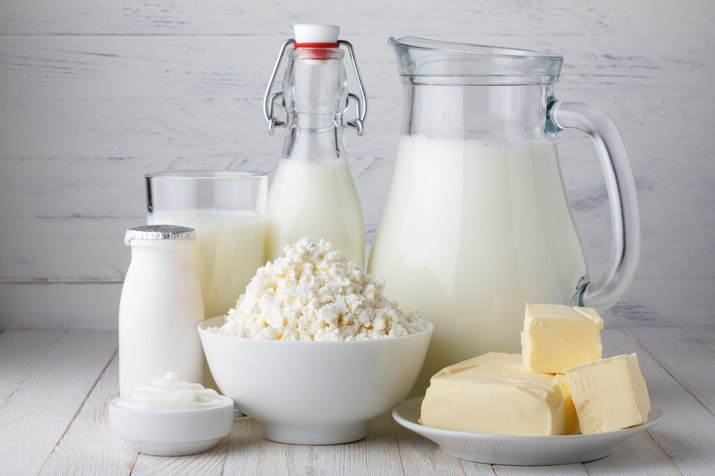
3. Dial Back on Dairy
Even though the probiotics in cultured dairy products may help the bloat, dairy foods can could be problematic if you're lactose intolerant. People who are lactose intolerant don't produce enough of the enzyme lactase to properly digest lactose, a type of sugar found in milk. The incomplete digestion of lactose leads to intestinal gas, bloating and diarrhea. If you believe dairy is messing with your belly, try avoiding milk products for a week or two. But if you have to remove dairy from your diet entirely, remember you'll need to get calcium and vitamin D elsewhere, says Dr. Chokhavatia. Start by adding leafy greens, almonds and calcium-fortified soy or almond milk, and either get more sunshine or ask your doctor about taking a vitamin D supplement.

4. Skip Sugar Substitutes
Sugar-free doesn't always mean belly-friendly. Many sugar-free or no-sugar-added candies, desserts and gum contain the sweeteners sorbitol, xylitol and mannitol, also known as sugar alcohols. These sweeteners are incompletely digested and can trigger the production of hydrogen gas in the small intestines, causing severe bloating, Dr. Wolfe explains. The U.S. Food and Drug Administration (FDA) requires that sorbitol or mannitol-containing products include a warning label that they may have a laxative effect. Still, as little as 10 grams of sorbitol can trigger stomach trouble, says Dr. Wolfe — the amount found in several pieces of sugar-free gum or just one serving of sugar alcohol-sweetened candy.

5. Keep a Food Log
Milk products and sugar alcohols are not the only foods that can lead to bloating. Other types of carbohydrates can be poorly absorbed and fermented in the gut, causing bloating and gas in sensitive people. Foods high in these short-chain carbohydrates are commonly referred to as FODMAPs, according to a June 2016 report in Clinical and Experimental Gastroenterology. In addition to lactose and sugar alcohols, offending substances can include fructose, a natural sugar found in fruit and honey, as well as fructans (found in wheat, onions and garlic) and galactans (found beans, lentils and soybeans). So if the cause of your symptoms is not clear and you have more sleuthing to do, keep a log of what you eat along with your symptoms. If you identify foods that seem to make you bloat, try avoiding them, but also let your doctor know so she can determine if a low-FODMAP diet is right for you.
Read more: What Vegetables Can I Eat With IBS?

6. Slash Your Stress Level
As if stress wasn't bad enough on its own, it can also make you bloat. When you're anxious, your body releases cortisol and adrenaline, hormones that stimulate your digestive system and cause gas, bloating and even diarrhea. What's more, people who are stressed tend to swallow air unknowingly, eat foods too quickly and forget to schedule quality bathroom time, says Dr. Chokhavatia. If you can't get rid of your stressors (think: family drama), you may be able to manage the anxiety through cognitive behavior therapy (CBT), which is talk therapy geared at changing thoughts, feelings and behaviors for the better. CBT can be effective at managing bloating, according to a review published in the December 2013 issue of World Journal of Gastroenterology.
Read more: 21 Stress-Reducing Techniques

7. Stay Hydrated
You might think that more liquids equals more belly volume, but as long as you aren't drinking water by the barrel, staying hydrated will keep you svelte, says Dr. Wolfe. Why? When you're dehydrated, your body basically thinks you're trying to cross a desert with an itty-bitty canteen. To fill up its reserves, it stores water between cells and in the fat cells, causing all-over bloating, she says. What's more, dehydration can cause your digestive system to slow to a halt, resulting in constipation and a distended abdomen. Shoot for eight glasses a day. Bonus benefit: Drinking more water may even lead to a lower calorie intake, according to research published in the October 2016 issue of the Journal of Human Nutrition and Dietetics.
Read more: 12 Ways to Make Water Taste (Much) Better

8. Slow Down and Eat
"Not chewing with your mouth open goes far beyond good manners," says Dr. Chokhavatia, adding that swallowing air can cause bloating. Although some swallowed air is normal, when excessive air gets consumed while eating or drinking, these pockets of air travel through your digestive system and can cause bloating and gas, according to a report in the January 2013 Clinical Gastroenterology and Hepatology. But this doesn't mean you're destined to have a belly full of air. Take steps to swallow less air ditching straws, carbonated beverages and chewing gum. Then, make sure you eat slowly and stay mum when your mouth is full in order to limit the amount of air you mistakenly swallow, Dr. Chokhavatia says.
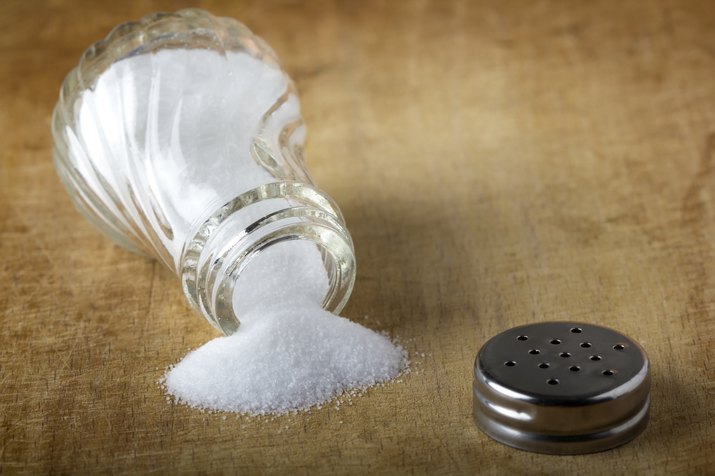
9. Shake Your Sodium Habit
Consuming too much sodium causes the body to hold onto extra water, Dr. Wolfe tells us, and this can lead to bloating. A July 2019 report in the American Journal of Gastroenterology also suggests extra dietary sodium modifies gut bacteria in a way that leads to bloating. In this new analysis of a landmark diet and blood pressure study — the Dietary Approaches to Stop Hypertension (DASH) Sodium Trial — study participants who consumed more sodium reported more bloating. But ditching your salt shaker might not be enough. According to the American Heart Association, 70 percent of the average American's sodium intake comes from packaged, prepared and restaurant foods. Scale back your intake of take-out meals and prepackaged foods, and your bloat may go, too.
Read more: 11 Delicious Spices That Make It Easy to Hold the Salt
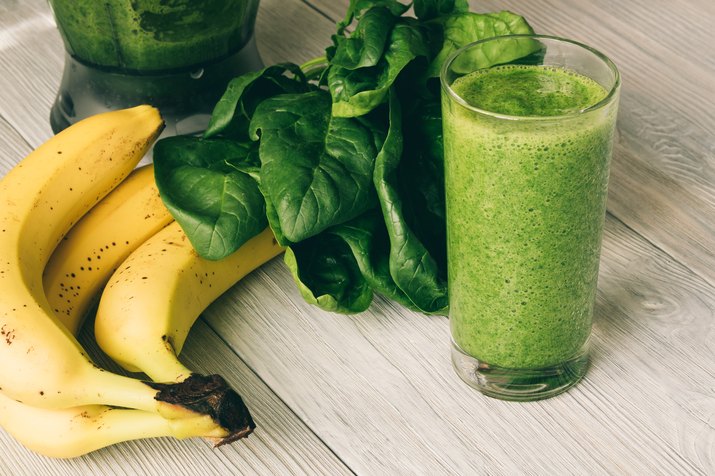
10. Pack Potassium
Reducing your sodium levels isn't just about what you don't eat. It's also about what you do eat. Bananas, papayas, kiwis, strawberries, cantaloupe, oranges, spinach, beets and broccoli contain potassium, which acts as a diuretic, driving water molecules out of fat cells and increasing the amount of sodium in your urine, says Dr. Chokhavatia. But stick with improving diet choices and not using supplements or over-the-counter (OTC) products to fix the bloat. While an OTC diuretic might seem like an easy fix, these can be dangerous, causing low levels of potassium and dehydration.
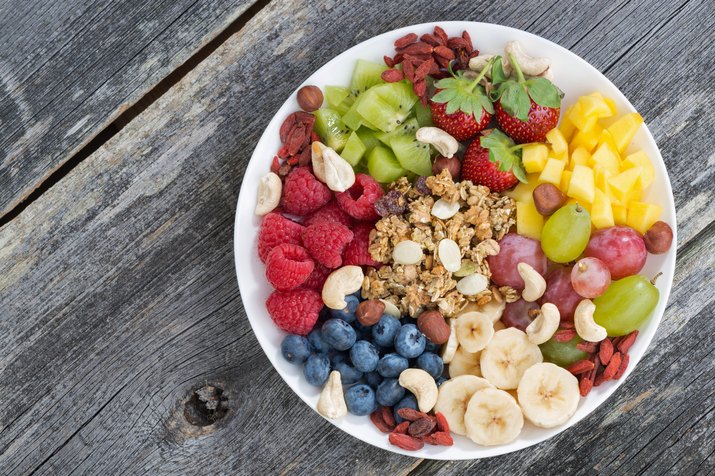
11. Eat More Fiber
Fiber is famous for a reason: It helps you poop. Since constipation and bloat go hand in hand, getting more fiber can cut your chances of ballooning up. But be careful with dramatic increases in fiber intake, since this can temporarily lead to gas and bloating, and be wary of foods that appear to be enriched with a lot of fiber. A prime example is foods with added inulin — which is a fructan, or FODMAP — since this ingredient may aggravate bloating in sensitive individuals. Your belly's best bet is to get fiber from fruits, veggies and whole grains, and gradually increase your fiber intake so your body can adjust without an increase in bloating.
Read more: 19 High Fiber Foods — Some May Surprise You

12: Get Checked Out
Although bloating is uncomfortable, at face value it may not appear to be a serious issue. But sometimes this symptom is a sign of a more severe health condition. For example, bloating can be related to celiac disease, menstrual irregularities, medication side effects or gastrointestinal disorders, including serious problems such as cancer. So if your bloated belly isn't fixed by some simple self-care steps, it's time to check in with an expert — your doctor. And if your bloating is accompanied by weight loss, blood in the stool, fever or pain, see a doctor right away.
Video of the Day
Advertisement
Video of the Day
- Advances in Therapy: "Bloating and Abdominal Distension: Clinical Approach and Management"
- Neurogastroenterology and Motility: "Exercise Therapy of Patients With Irritable Bowel Syndrome: A Systematic Review of Randomized Controlled Trials."
- American Family Physician: "Probiotics for Gastrointestinal Conditions: A Summary of the Evidence"
- The American Journal of Gastroenterology: "American College of Gastroenterology Monograph on Management of Irritable Bowel Syndrome"
- Clinical and Experimental Gastroenterology: "Efficacy of the Low FODMAP Diet for Treating Irritable Bowel Syndrome: The Evidence to Date"
- World Journal of Gastroenterology: "Cognitive-Behavioral Therapy for the Management of Irritable Bowel Syndrome"
- Journal of Human Nutrition and Dietetics: "Plain Water Consumption in Relation to Energy Intake and Diet Quality Among US Adults, 2005-2012"
- Clinical Gastroenterology and Hepatology: "Management of Belching, Hiccups, and Aerophagia"
- American Journal of Gastroenterology: "Effects of the DASH Diet and Sodium Intake on Bloating Results From the DASH–Sodium Trial"
- Merck Manual: "Gas-Related Complaints"
- U.S. Food and Drug Administration: "Sugar Alcohols Fact Sheet"
- American Heart Association: "Get the Scoop on Sodium and Salt"
Is this an emergency? If you are experiencing serious medical symptoms, please see the National Library of Medicine’s list of signs you need emergency medical attention or call 911.