



































Why Does Niacin Make You Itch?

Why Does Niacin Make You Itch?
Photo Credit Ham and Eggs 2 image by William Berry from Fotolia.com

Niacin is a water-soluble B vitamin that the body needs for digestion, healthy skin and nervous system, and food-to-energy conversion. More specifically, niacin activates enzymes that break down carbohydrates, fats and proteins. The body uses that energy as fuel and to keep hair, eyes, skin and the nervous system healthy. Many doctors also prescribe niacin to help control cholesterol. The vitamin controls cholesterol by increasing high-density lipoproteins, or HDLs, known as the "good" cholesterol. HDLs are responsible for grabbing the "bad" cholesterol in your blood, thereby improving total cholesterol. Niacin can also improve blood circulation. However, this circulation improvement is also the cause of a common and annoying niacin side effect -- itching. Consult your doctor before using any niacin supplements.

Niacin Sources

Most people get more than enough niacin through their daily food intake. Niacin can be found naturally in meat, fish, eggs, beans and green vegetables. However, niacin supplements are sometimes used by doctors to control cholesterol levels. Recommended niacin intake is 16 mg/day for adult males and 14 mg/day for adult females. Discuss with your doctor before taking niacin supplements.

Itching Due to Niacin Flush

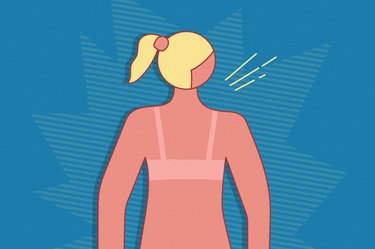
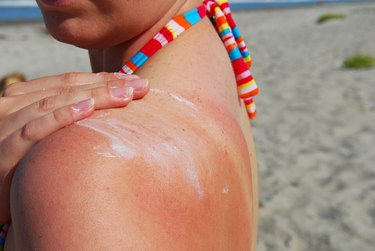
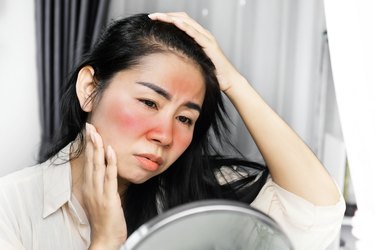
Minor side effects of Niacin include headaches, upset stomach, blurred vision and niacin flush. Niacin flush, which is the most common side effect, can occur with niacin doses of 1,000 mg or more. Niacin flush symptoms include burning, itchy and red "flushed" skin. Niacin flush itching occurs when capillaries near the skin get larger. Capillaries are small blood vessels at the ends of arteries. Arteries take the blood to these small capillaries; the capillaries are then responsible for taking blood to almost all cells in the body. As these capillaries expand, due to niacin, blood flow increases into the capillaries near the skin, causing an itching sensation. Although this side effect can be unpleasant and even painful, it is not considered harmful.

Reducing Niacin Flush and Itching

Fortunately, you can avoid or reduce niacin flush symptoms by taking 325 mg of aspirin before taking niacin. Alcohol and hot drinks can exasperate symptoms, so avoid drinking alcohol and hot drinks while taking niacin.

Niacin Toxicity and Deficiency

Niacin toxicity can occur but is unlikely as long as you take the dose prescribed by your doctor. Niacin toxicity can occur with large doses over 3 g per day and can cause liver damage and ulcers. Niacin flush and other side effects may be more intense when someone is suffering from niacin toxicity. Due to the severe side effects of niacin toxicity, talk with your doctor before taking niacin supplements.

In contrast, niacin deficiency can cause inflamed skin, and digestion and mental impairment.

References

Article reviewed by Sharon Last updated on: May 20, 2011

Must see: Photo Galleries