




























What is Para-Aminobenzoic Acid?

What is Para-Aminobenzoic Acid?
Photo Credit woman holding sunscreen image by Alina Isakovich from Fotolia.com

Para-aminobenzoic acid, or PABA, is an estranged member of the vitamin B complex family. Once touted as an essential vitamin for the human body, years of testing has scientists questioning this categorization. But that does not mean that PABA is without its benefits. Quite the contrary, NYU Langone Medical Center reports that para-aminobenzoic acid does have a place as a topical and therapeutic supplement.

Vitamin B-X

Sometimes referred to as vitamin B-x, para-aminobenzoic acid is not a true vitamin. According to Florida State University, para-aminobenzoic acid encourages the growth of good bacteria in the body, which makes it more of a provitamin for bacteria than a "B" vitamin that provides folates to the human body. Although para-aminobenzoic acid is fundamental part of folic acid's structure, the human body is not capable of synthesizing it for its use.

Sunscreen

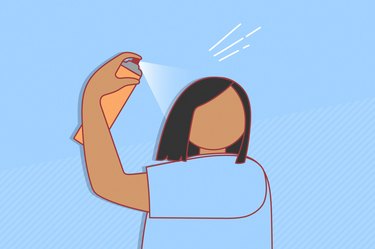
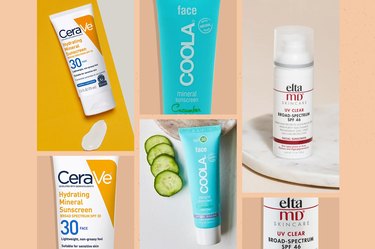
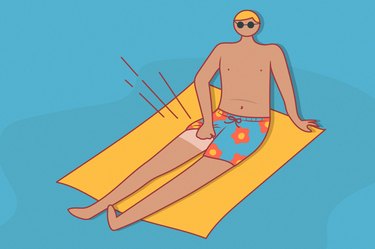
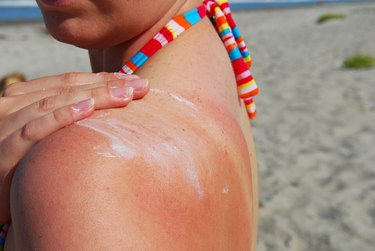
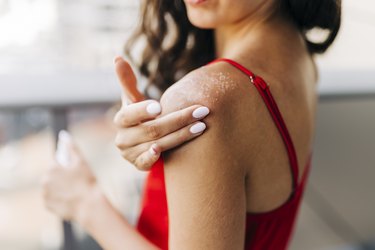
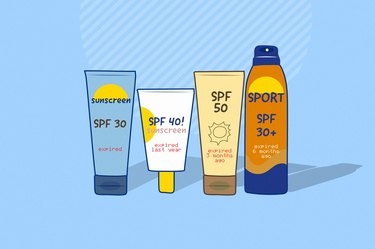
Despite its limitations as a vitamin, para-aminobenzoic acid does prove successful as a chemical sunscreen. The University of Arkansas for Medical Sciences explains that para-aminobenzoic acid protects the skin from dangerous ultraviolet rays from the sun, which leads to painful sunburns. Reducing sun exposure and applying para-aminobenzoic acid-based sunscreens may also defend against skin cancer and premature skin aging. SPF, or Sun Protection Factor, is a measurement of how much skin protecting PABA a product contains. The higher the SPF, the more protection the product provides.

Sources

Para-aminobenzoic acid comes is naturally occurring in a variety of sources. Whole grains, brewer's yeast, wheat germ, eggs and molasses are natural sources. Liver, mushrooms and spinach are also natural sources of para-aminobenzoic acid. According to NYU Langone Medical Center, additional sources of para-aminobenzoic acid come in the form of oral supplements, which physicians sometimes prescribe to treat conditions such as vitiligo, scleroderma, male infertility and Peyronie's disease. For safety purposes, daily supplemental doses of para-aminobenzoic acid should remain below 400 mg.

Allergic Reaction

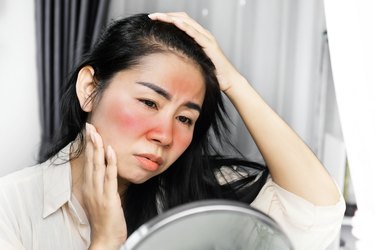
The use of para-aminobenzoic acid may lead to allergic reactions in those sensitive to the provitamin. Symptoms of allergic reaction include dizziness, nausea, diarrhea, rash, fever and eye irritation. Drexel University College of Medicine explains that severe reactions to para-aminobenzoic acid cause difficulty breathing, labored breathing, stupor, vomiting and liver failure. If any of these symptoms manifest after using PABA orally or topically, immediate medical attention is necessary.

References

Article reviewed by Jenna Marie Last updated on: May 22, 2011

Must see: Photo Galleries