




















































Low-carb diets can be an appealing option if you are looking to lose weight quickly, but they have a number of health implications. One important factor you should consider before embarking on one is the relationship between vitamin B complex and low-carb diets. The B-complex vitamins are vital to health and well-being, so it is important to understand and account for them in your diet. Consult your physician if you have questions or concerns about any diet or supplement.
Vitamin B
Vitamin B complex consists of more than a dozen related vitamins, including vitamin B6, vitamin B12, folate, niacin and thiamine, all of which are essential to your body's proper function. They are linked to energy production, they are known to boost your mood, combat cholesterol and arthritis and they are vital for cellular metabolism -- which means they play an essential role in helping your body process other nutrients.
Vitamin Loss
One of the effects of a low-carb diet is a reduction in the array of vitamins you get in your food, particularly the B-complex vitamins, notes Werner Hoeger, author of "Lifetime Physical Fitness and Wellness." He says this is not a great concern if you only follow a low-carb diet for a short period of time, such as a few weeks. However, if you continue to eat a low-carb diet, the lack of varied nutrients could increase your risk of diseases such as cancer and osteoporosis.
Homocysteine Breakdown
Vitamin B has a particularly important role to play if you are on a low-carb diet, due to its role in breaking down homocysteine -- a protein byproduct found in the blood of people who eat high quantities of protein, especially red meat. A "User's Guide to Nutritional Supplements" explains that homocysteine causes free radical damage to cells, leaving them vulnerable to cholesterol deposits. This can lead to heart disease and is also linked to Alzheimer's. Vitamin B12 and folic acid help break down homocysteine, so if you are on a low-carb diet, you may want to consider taking supplements.
Vitamin B Sources
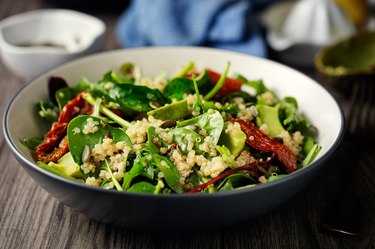
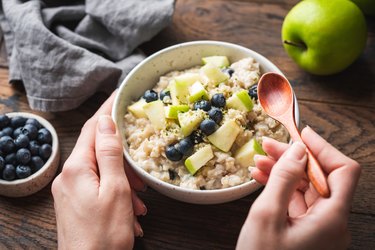
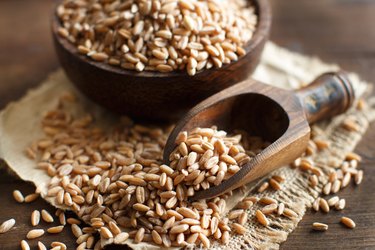
Common food sources of vitamin B include fortified grains and cereals and fruits and vegetables including potato, asparagus, carrot, broccoli, apple, banana and fig, according to "Williams' Basic Nutrition," so you are unlikely to get sufficient amounts if you are on a low-carb diet. However, "Low-Carb Dieting for Dummies" notes that quinoa, a grain-like seed, is a good source of B-complex vitamins. You may also want to consider taking a B-complex supplement while on a low-carb diet.
References
- "Physiology of Sport and Exercise"; Jack H. Wilmore; 2008
- "Lifetime Physical Fitness and Wellness"; Werner Hoeger; 2010
- "User's Guide to Nutritional Supplements"; Jack Challem; 2003
- "Williams' Basic Nutrition and Diet Therapy, Volume 1"; Staci Nix; 2005
- "Low-Carb Dieting for Dummies"; Katherine B. Chauncey; 2003


Member Comments