
















Weight Loss Diet for Women Over 50

Weight Loss Diet for Women Over 50
Photo Credit Weight Loss image by Jaimie Duplass from Fotolia.com

Gaining weight after age 50 puts a woman at increased risk for heart disease and other weight-related health problems. Restricting calories is essential for successful weight loss at any age. Peter Bongiorno the vice president of the New York Association of Naturopathic Physicians explains that studies in both animals and humans show that reducing calories while maintaining adequate levels of essential nutrients increases life expectancy. Eating right during menopause helps prevent weight gain and the health risks associated with being overweight.

Weight Gain and Menopause

Most women begin experiencing the symptoms of menopause at about age 50, although some women go through menopause at an earlier or later age. Hormone levels drop as the natural aging process occurs. Post-menopausal women can put on extra pounds as they lose muscle and gain fat. Less muscle mass slows down metabolism which contributes to the weight gain many women experience in their 50s. Becoming less active and consuming more calories than you need doesn't help either. No matter what the cause, weight gain increases the risk for high cholesterol, high blood pressure, diabetes and breast cancer. A healthy diet should include lean protein and foods that are high in fiber and low in sugar.

Heart Health

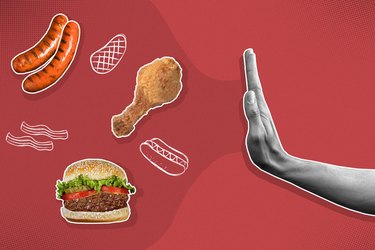
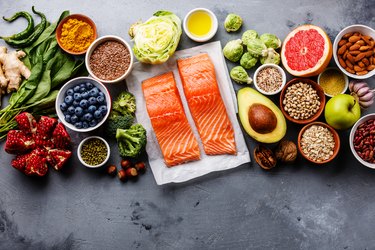
Approximately eight million women in this country currently have heart disease, according to facts published by the University of Washington Women's Health Center. Women are more likely to get heart disease after menopause. Once estrogen levels begin to drop, the risk for heart attack increases. By age 60, women have the same risk of heart disease as men. Eating a low-fiber, high-fat and high-cholesterol diet significantly increases that risk. Being overweight raises the bad cholesterol in your bloodstream, which puts more work on your heart. Losing weight lowers triglycerides and raises the levels of good cholesterol. Eat more good fats found in soybeans, nuts, fish and flaxseed instead of foods that contain saturated fat. Use sunflower, olive or canola oils for cooking. Include more fiber, fruits and vegetables in your daily diet.

Not Enough Calcium

Being overweight can actually lower a woman's risk of developing osteoporosis but increases the risk for high blood pressure, heart disease and type 2 diabetes. A woman's bone mass begins to diminish after menopause increasing the risk of osteoporosis, a disease that weakens the skeletal system increasing the risk of bone fractures, particularly in the hip, wrist and spine. Although post-menopausal women are at higher risk, women who have a high bone mass as young adults are less likely to get osteoporosis later in life. Physical inactivity and too little calcium in the diet are factors that can increase your risk for the disease. Even if you are trying to lose weight, women between the ages of 51 and 70 need 1,200 mg of calcium a day, according to the Centers for Disease Control and Prevention. Calcium is found in dairy products, dark green leafy vegetables, nuts and calcium-fortified foods.

Making Sensible Choices

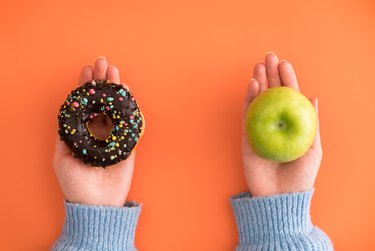
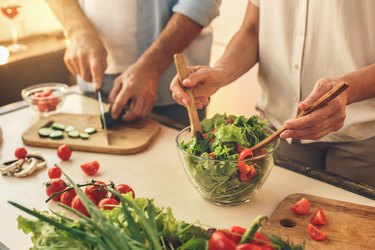
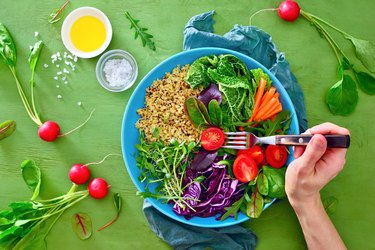
Eating a balanced diet is basic to healthy nutrition. For women older than 50 who are trying to lose weight, Bongiorno, who teaches at New York University and the Natural Gourmet Institute for Health and Culinary Arts in New York City, recommends not depriving yourself. He points out, "In my experience as a physician, deprivation often leads to a rebound situation where you may actually end up eating more unhealthy foods. The key is to slow down, eat healthy and on occasion enjoy an indulgence."

References

Article reviewed by Contributing Writer Last updated on: May 24, 2011

Must see: Photo Galleries

Member Comments