Aspirin, or acetylsalicylic acid, is a pain reliever with blood-thinning properties. In certain circumstances, aspirin may lower the risk of heart attack and stroke by improving circulation and preventing blood clots. Despite these benefits, aspirin can also cause dangerous side effects, including gastrointestinal bleeding, kidney damage and increased risk for hemorrhagic stroke. There are many natural alternatives to aspirin for heart health, some of which may be less likely to cause serious side effects. Consult your health care provider before changing a prescribed aspirin regimen.
Garlic
Video of the Day
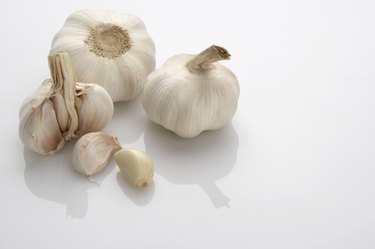
Garlic is among the most well-researched herbs for heart health. It contains allicin--a compound with potent antioxidant and antimicrobial effects. Dipak K. Das, Ph.D., professor at the Cardiovascular Research Center at the University of Connecticut, states that garlic can greatly improve circulation in the aorta while reducing heart damage caused by oxygen deprivation. It also has mild cholesterol-lowering properties and may help improve circulation by reducing the viscosity of blood platelets.
Video of the Day
The dosage of garlic recommended for heart health is between one and three cloves daily. Side effects include indigestion, nausea and increased bleeding risks. Garlic may be taken in supplement form or crushed and added to foods for its medicinal effects.
Turmeric
Used for centuries in Ayurveda and traditional Chinese medicine, turmeric is an herb credited with a multitude of healing properties. Its main active compound, curcumin, has anti-inflammatory and blood-thinning effects that may be useful in conditions such as atherosclerosis and heart disease. A study by Tatsuya Morimoto and colleagues in the March 3, 2008, issue of the Journal of Clinical Investigation states that curcumin prevents heart failure caused by hypertension in rats and may have similar cardio-protective effects in humans.
Turmeric can thin the blood and should be used cautiously by people taking blood thinners. The typical daily dose is between 400 and 600 milligrams dried powder.
Willow Bark
Willow bark is a close chemical relative of aspirin. Like aspirin, willow bark contains salicin, a compound with blood-thinning and pain-relieving properties. After ingestion, the salicin in willow bark is converted to salicylic acid, which thins the blood and prevents clotting that can lead to heart attack or ischemic stroke.
The typical dose of willow bark for heart health is between 1 and 3 grams daily, or approximately 60 to 120 milligrams salicin. To prevent Reye's syndrome--a potentially fatal condition--do not give willow bark to children with a fever or other signs of viral infection.
Is this an emergency? If you are experiencing serious medical symptoms, please see the National Library of Medicine’s list of signs you need emergency medical attention or call 911.