
















































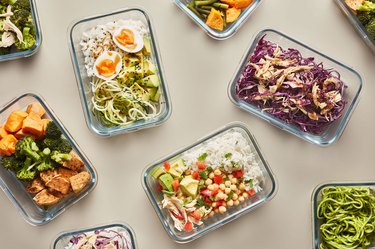





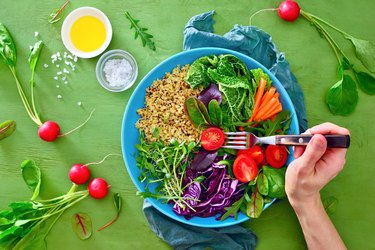

Many different types of food -- meat, nuts, seeds and eggs, for example -- provide dietary protein. The protein food group contains two general categories important to diabetics: meat-based protein sources and vegetarian protein sources. If you have diabetes, keep in mind that meat protein and vegetarian protein produce very different effects on your blood sugar levels.
Meat Protein
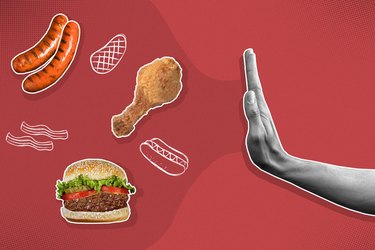
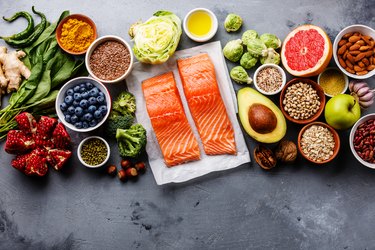
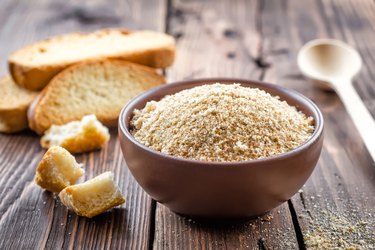
Animal-based protein, such as meat, does not affect your blood sugar levels because it contains no carbohydrates. Examples of meat protein sources that do not affect your blood sugar include chicken, turkey, fish, crab, shrimp, lobster, beef, lamb chop, bacon, ham, hot dog, sausage and pastrami. Some processed meats -- such as sausage varieties -- might contain fillers that add carbs. Also, if you add breading or batter to meat, you add carbs that will affect your blood sugar levels.
Vegetarian Protein
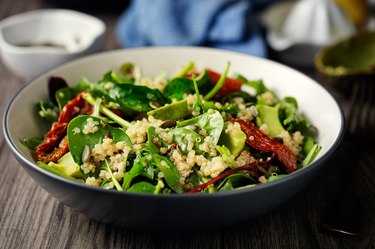
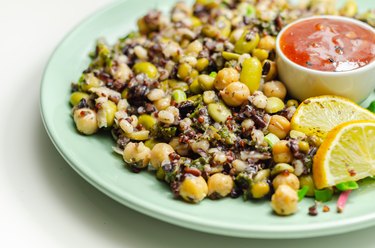
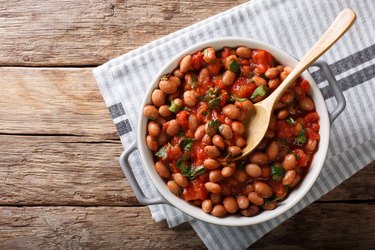
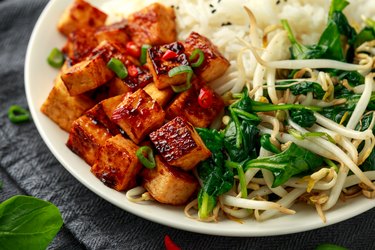
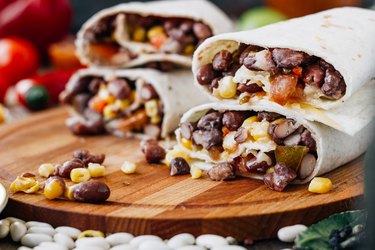
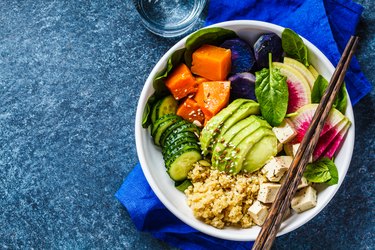
Vegetarian sources of protein do produce an effect on your blood glucose levels. All nonmeat protein sources contain carbs, which cause your blood sugar levels to rise. Examples of high-protein vegetarian foods considered acceptable substitutes for meat on a diabetes diet include beans, peas, legumes, lentils, eggs, hummus, falafel, nuts, peanut or almond butter, tofu, edamame, soy milk and a variety of soy-based meat substitutes such as veggie burgers and meatless chicken tenders.
Balanced Diet
Because one of the main goals of a diabetes diet is to help keep your blood sugar levels as healthy and as stable as possible, you might think that meat proteins -- which do not affect your blood sugar -- are always preferable to vegetarian proteins. However, this is not necessarily the case. According to the American Diabetes Association, other purposes of a diabetes diet include improving your blood pressure and cholesterol, as well as managing your weight. Vegetarian high-protein foods tend to be lower in calories and saturated fat than meat proteins. For example, a 1/2 cup of cooked beans contains just as much protein as 1 oz. of meat, but without the saturated fat.
Best Diabetes Proteins
Protein sources low in calories and saturated fat help you manage your weight and heart health. Good meat choices include skinless chicken and turkey; fish, especially salmon; and select grades of lean beef that have been trimmed of fat. In terms of vegetarian protein sources, the best options include beans and legumes. Keep in mind that soy-based vegetarian "meats" are good sources of protein, but because they are processed, they tend to have a high glycemic index, meaning they are more likely to cause a significant rise in your blood sugar levels.


