









































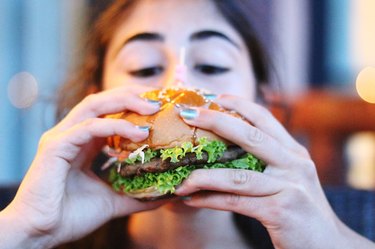





















Reactive hypoglycemia, also known as postprandial hypoglycemia, is a condition related to low blood sugar that occurs in individuals who do not have diabetes. Reactive hypoglycemia typically happens one to three hours after eating and bad headaches are one of the most common symptoms of the condition, according to Jane Korsberg, M.S., R.D., L.D. from the Case Western University department of nutrition. Reactive hypoglycemia can usually be managed through nutrition.
Causes
Numerous factors may cause reactive hypoglycemia, including hypersensitivity to the hormone epinephrine, overactive pancreas, gastric bypass or other intestinal surgery and impaired emission of glucagon and insulin -- the hormones the pancreas secretes that regulate blood sugar. Experts mostly agree that the rapid dive in blood sugar associated with reactive hypoglycemia is what triggers the bad headache, according to LeRoy Heinrichs, M.D. of the Stanford University Women's Health Promotion Unit.
Symptoms
In addition to the bad headache, reactive hypoglycemia triggers other physical, psychological and emotional symptoms. These include shakiness, anxiety, sweating, accelerated heart rate, lightheadedness, confusion, dizziness, weakness and difficulty with speech or forming words. The afflicted will usually also feel hungry and tired at the same time.
Treatment & Prevention
To prevent the bad headaches reactive hypoglycemia causes, the best thing is to eat small meals frequently throughout the day, according to MayoClinic.com endocrinologist Maria Collazo-Clavell, M.D. Also, eliminating refined sugar may alleviate the headaches. Replace refined sugar with natural sugar such as honey, and avoid foods high in refined sugar such as cookies, candies, cake and sugary sodas.
Protein
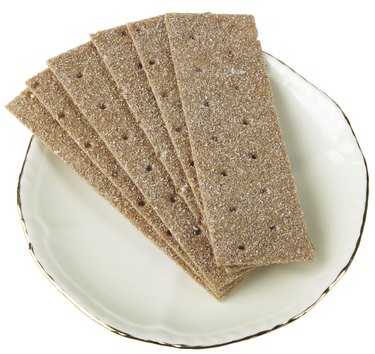
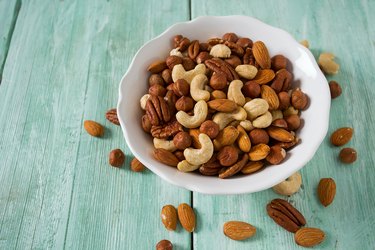
Lean meat and non-meat protein sources such as nuts and tofu may also help you avoid the bad headaches associated with reactive hypoglycemia because protein helps stabilize blood sugar levels. Eat a form of protein two to three hours after every meal and you may find you are able to completely bypass the symptoms. High-fiber foods such as whole-grain bread are also recommended.
References
- "MayoClinic"; Reactive Hypoglycemia: What can I Do?; Maria Collazo-Clavell, M.D.; October 2010
- "NetWellness"; Reactive Hypoglycemia; Case Western Reserve University; Jane Korsberg, M.S., R.D., L.D.; November 1998
- "Stanford University Women's Health Promotion Unit"; Headache after Eating Sugar; LeRoy Heinrichs, M.D.; July 1999
- "National Diabetes Information Clearinghouse"; Hypoglycemia; Vivian A. Fonseca, M.D., F.R.C.P., et al.; October 2008


