








In healthy individuals, the urinary system filters waste and excess fluid out of the body. However, problems involving the bladder, prostate or kidneys can lead to urinary system diseases. The National Kidney and Urologic Diseases Information Clearinghouse (NKUDIC) and the Institute of Diabetes and Digestive and Kidney Diseases (NIDDK) both provide a comprehensive overview of the symptoms, cause(s) and treatment(s) of the following urinary system diseases.
Benign Prostatic Hyperplasia
Benign prostatic hyperplasia (BPH) is a condition in which the prostate gland is enlarged, making urination difficult for men with this disease
Bladder Cancer
Bladder cancer is the result of uncontrolled, abnormal cell growth within the bladder. According to the American Cancer Society, there are three major types of bladder cancer: transitional cell carcinoma, squamous cell carcinoma and adenocarcinoma. Of these, the most common is transitional cell carcinoma, which is also called urothelial carcinoma.
Cystocele (Fallen Bladder)
Cystocele is a disease affecting females in which the wall between the bladder and vagina becomes weak, allowing the bladder to fall into the vagina.
Hematuria (Blood in the Urine)
The Mayo Clinic describes hematuria as the presence of red blood cells in urine. Though the blood might not be visible to patients with this disease, a doctor will be able to see the red blood cells under a microscope.
Interstitial Cystitis
Interstitial cystitis is described by the Interstitial Cystitis Association as chronic and often painful inflammation of the bladder. This disease is also referred to as Painful Bladder Syndrome or Frequency-Urgency-Dysuria Syndrome.
Kidney Stone
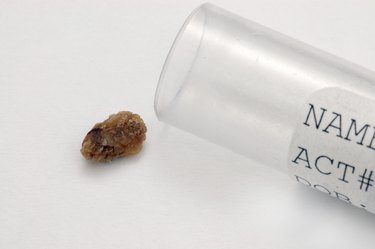
Kidney stone is a term used to describe a solid piece of material---most commonly made up of calcium from the urine--that forms in one or both of the kidneys. These can cause harmful and painful blockages that require the stone(s) to be broken into pieces by lasers for easier passage.
Neurogenic Bladder
Neurogenic bladder is caused by the malfunction of nerve signaling in the muscles that control the bladder. When these nerves fail to transmit messages properly to the brain, an individual may lose the ability to urinate normally.
Prostate cancer
Prostate cancer is the result of uncontrolled, abnormal cell growth within the prostate gland. It is highly curable in the early stages, so men should be checked routinely.
Prostatitis
Prostatitis is a condition that results in inflammation of the prostate gland. Men with prostatitis may find it difficult or painful to urinate, and can also experience pain in the back or genital area.
Proteinuria
Proteinuria is a term used to describe the presence of protein in the urine at levels that are deemed abnormal. Urine with a high concentration of protein may be indicative of more complicated kidney problems.
Renal (Kidney) Failure
Renal failure occurs when the kidneys malfunction, preventing the normal removal of waste from the body. There are three major diseases that can lead to renal failure: Acute renal failure, chronic kidney disease and end-stage renal disease.
Urinary Incontinence
Urinary incontinence is a condition that results in the involuntary loss of bladder control. This condition can be remedied through surgical procedures, and sometimes by exercising the muscles of the pelvic floor.


