



A bladder infection -- also called a urinary tract infection or cystitis -- is a bacterial infection growing in your bladder. Bladder infections require treatment by a doctor, who will often prescribe medications. While your diet cannot help to clear a bladder infection, eating a well-balanced diet can help reduce your symptoms -- including burning and pain during urination -- and help to prevent recurring bladder infections.
Cranberry Juice
Cranberry juice is an antioxidant that can help to reduce the symptoms of your bladder infection as well as prevent bacteria from attaching itself to the walls of your bladder. Cranberry juice also makes your urine more acidic. As a result, bacteria have a more difficult time growing in acid. Merck Manuals indicates drinking 10 oz. of cranberry juice, taking cranberry pills or drinking 2 oz. of cranberry concentrate per day can be beneficial in women who experience more than three bladder infections per year.
Omega 3 Fatty Acids
Omega-3 fatty acids are found in fish oil and in fish -- especially cold-water fish such as salmon. The University of Maryland Medical Center indicates that one to two capsules or fish oil or 1 tbsp. of fish oil twice a day can be beneficial for those with bladder infections. Omega-3 fatty acids can help to decrease inflammation in your bladder -- thus relieving symptoms, including abdominal pain and the burning sensation during urination.
Vitamin C
Vitamin C is a powerful antioxidant that can help prevent bacteria from forming and attaching to your bladder walls. Vitamin C can also help to boost your immune system, making you less susceptible to future bladder infections. The University of Maryland Medical Center recommends 500 to 1,000 mg of vitamin C, one to two times daily. Vitamin C can be found in citrus fruits -- such as oranges or limes -- strawberries, tomatoes, cabbage, broccoli, cantaloupe, sweet red peppers and kiwi.
Water
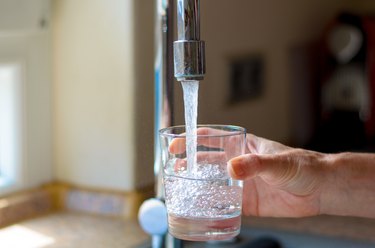
Drinking plenty of water and clear liquids is important while recovering from a bladder infection. The University of Maryland Medical Center recommends six to eight glasses of water per day. Water can help dilute your urine, making it easier and less painful to pass. Water can also help to naturally flush your kidneys of toxins and bacteria by means of urination.
Other Considerations
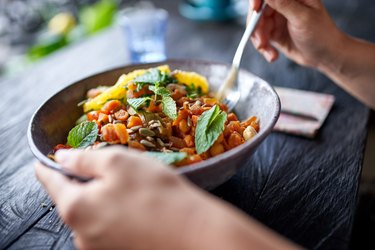
While recovering from a bladder infection, you should avoid beverages that include alcohol or caffeine and are carbonated -- including coffee and sodas. Processed foods, sugars, red meat and fried foods should be eliminated from your diet. You should consume lean meats, cold-water fish, foods high in antioxidants, such as cherries and tomatoes, eat more fiber and cook with healthy oils such as olive or vegetable oil.


