





















































Gout is a form of arthritis triggered by the buildup of a substance in your body called uric acid. If you have gout, you can worsen the frequency and severity of your symptoms by eating a diet high in compounds called purines. Gout diets are designed to ease your symptoms by restricting your intake of purine-containing foods.
Purines and Gout
You naturally produce a certain amount of purines. Along with the purines in your diet, these internal compounds go through a chemical process that converts them to uric acid. Under normal circumstances, your kidneys filter excess amounts of this acid from your blood and excrete it in your urine. But if you eat high-purine foods or have problems eliminating uric acid through your kidneys, you can develop gout. Gout symptoms typically begin when excess uric acid triggers the formation of substances called monosodium-urate crystals, which settle into your joints or form deposits beneath your skin called tophi.
High-Purine Foods
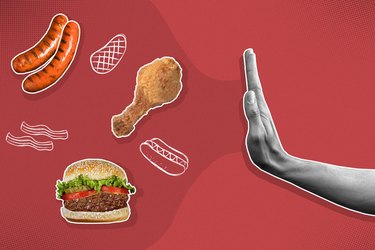
All animal-based foods contain some amount of purines. Foods with a particularly high purine content include organ meats, anchovies, scallops, lobster, shrimp, brewer's yeast, meat extracts, fish eggs, bouillon and forms of fatty fish such as mackerel and herring. Sodas and other drinks sweetened with high-fructose corn syrup can also contain significant amounts of purine. Alcoholic beverages don't contain purines, but they interfere with your ability to excrete uric acid. Beer consumption, especially, can interfere with uric-acid elimination and increase your chances for a gout flareup.
Food Restrictions
To avoid flareups and reduce their severity, the Mayo Clinic website recommends limiting your overall intake of animal proteins and avoiding or strictly limiting your intake of high-purine animal-based foods. During an active gout attack, you need to avoid any form of alcohol. In addition, you need to restrict your intake of sweets. Although sweets may not directly increase your purine levels, they can contribute to obesity, which can put strain on already compromised joints.
Considerations
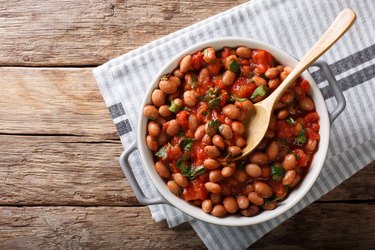
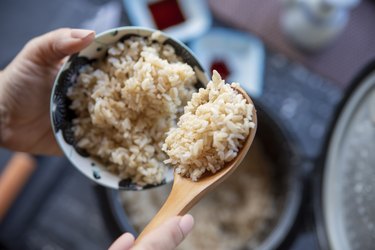
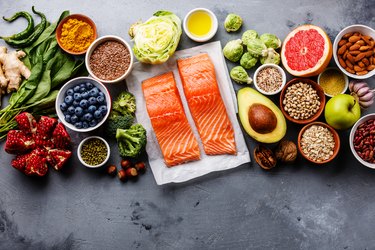
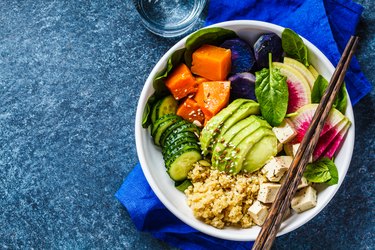
You can also reduce your risk of flareups by increasing your intake of complex carbohydrates such as whole grains and fruits and low- or nonfat dairy products such as yogurt and skim milk. You can offset reduced consumption of animal proteins by increasing your intake of plant proteins such as those found in legumes and beans. In addition, you can potentially lower your body's uric acid by drinking eight to 16 glasses of water every day.
When you're not experiencing symptoms, you may be able to drink one to two 5-oz. servings of wine without worsening your condition, according to the Mayo Clinic website. Men with gout may be able to lower their risk of developing gout by drinking four to six cups of coffee per day. Consult your doctor or a registered nutritionist for more information on purines and restricted diets for gout.


Member Comments