







































A low-residue diet is prescribed to rest the digestive system following abdominal surgery or after a flare-up of a gastrointestinal disease such as diverticulitis. Generally, this diet restricts the amount of fiber and other indigestible food particles that can cause discomfort. In contrast, a gluten-free diet is prescribed for people who have celiac disease, an autoimmune disease characterized by intolerance of gluten, a protein found in wheat, rye and barley. In some cases, your doctor may prescribe these diets simultaneously. Check with your doctor before making significant dietary changes on your own.
Foods That Contain Gluten
Gluten is commonly found in breads, pastas, cereals and other grain-based products made from wheat, barley or rye flour. Additionally, gluten is present in foods like soy sauce, some salad dressings, prepackaged meats, beer, coffee and tea that is flavored, certain candies, chocolate in bar form and in some dietary supplements, as well as over-the-counter and prescription medications. In addition, some products that contain oats are often contaminated with flours that contain gluten, rendering them problematic for individuals following a gluten-free diet.
Foods That Are High-Residue
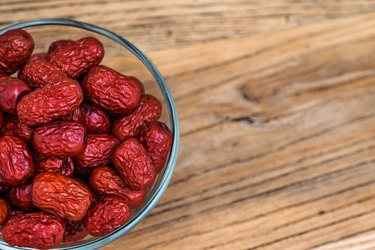
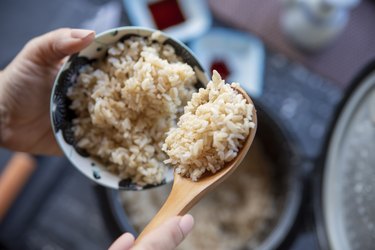
Although a low-residue diet doesn't completely eliminate all sources of dietary fiber, NYU Langone Medical Center explains that on a low-residue diet, you should avoid foods high in fiber. These include whole grain products, brown rice, raw fruits and vegetables, dried fruits, pineapple packed in cans and cooked peas, winter squash, broccoli, Brussels sprouts, cabbage, onions, cauliflower, baked beans, and corn. A low-residue diet also requires that you avoid dried beans, legumes, nuts, seeds, tough meat like jerky and any other food that contains seeds, nuts or coconut.
Gluten-Free Foods
Foods that are permitted on a gluten-free diet include alcoholic beverages that don't contain preservatives or dyes with the exception of beer. Flours and food products made with gluten-free flour are widely available; you can identify them by looking for the words "gluten-free" on the packaging. These products generally contain soy, bean, pea, flax, or corn flour; however, check with your physician before using the bean or pea based gluten-free flours if you're also following a low-residue diet. Most oils, margarine, butter, beverages without malt additives, emulsifiers or stabilizers are acceptable for consumption on a gluten-free diet. According to Gluten-Free Diet, meats that don't contain fillers or flavorings, poultry, fish, nuts, seeds and legumes are also naturally free of gluten.
Low-Residue Foods
If you're following a low-residue diet, foods that are generally permitted include foods made from refined white flour including breads, pastas and white rice. Other low-residue foods include well cooked or canned vegetables that are peeled with seeds removed, juices without fruit pulp, sediment or seeds, dairy products, nut milk, rice milk, well-cooked meats without seasonings, eggs, butter, margarine, oils, and baked goods made from refined, white flour without nuts or seeds added. NYU Langone Medical Center recommends that if you're following a low-residue diet, you limit the amount of milk or milk-based products to 2 cups daily. Ask your doctor if your dietary recommendations restrict milk products.
Foods Allowed on a Gluten-Free Low-Residue Diet
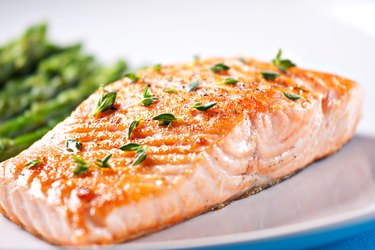
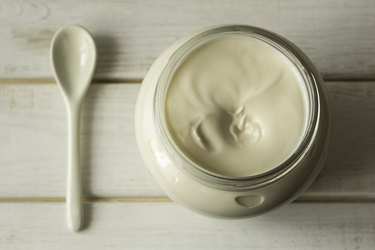
Keeping a gluten-free version of the low-residue diet in mind, fruit-based foods like applesauce, ripened bananas, cantaloupe and melon are permitted, but be sure to remove the seeds. Milk products such as yogurt, cheeses, ice cream and soy, almond or rice milk are permitted on a low-residue diet. The gluten-free restriction, according to the Celiac Sprue Association, would allow you to consume only aged hard cheeses and cheeses specifically labeled gluten-free. Avoid cheeses or milk products that contain fillers, food starch, preservatives or vegetable gum, which can contain sources of gluten. You can consume protein sources, like well-cooked meats or poultry, eggs and fish made without fillers, marinades or flour, on a low-residue and gluten-free diet.


Member Comments