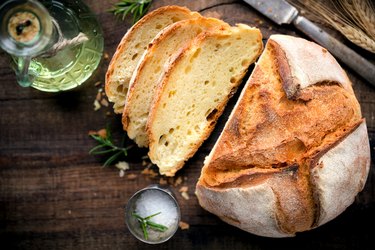
There are a number of reasons people choose to eliminate gluten — a protein found in wheat, barley and rye — from their diets. Celiac disease is an autoimmune disease where gluten triggers an immune response that causes damage to the small intestine and can lead to other serious consequences including skin rash, diarrhea and depression. Only your doctor can tell you for sure if you have celiac disease.
But even those without the disease can still have an allergy or sensitivity to gluten and may experience symptoms including upset stomach, lethargy and joint pain. Cutting gluten from your diet and allowing your body to detox will help eliminate these symptoms, but you should be prepared for some negative side effects of withdrawal.
Video of the Day
Video of the Day
Read more: 15 Unexpected Foods That Contain Gluten
Step 1: Cut All Gluten From Your Diet
Eliminate all foods containing gluten from your diet, including any foods containing wheat, barley and rye. Common foods containing gluten include breads and pastries, cakes, pizza crust, dumplings, pretzels, malted drinks, beer, bran, oats and yeast.
Step 2: Read Nutritional Labels Carefully
Read food labels carefully for less conspicuous sources of gluten. Avoid gravies and sauces that may contain flour, ground meat products that may contain bread, anything breaded or fried, condiments like mayo, soy sauce and mustard, pre-packaged soups and soup mixes, nutritional drinks and supplements, pie fillings and salad dressings.
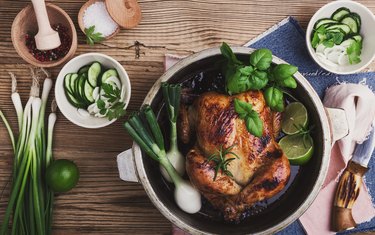
Step 3: Choose Healthy, Gluten-Free Foods
Eat a diet of nutrient-rich foods that will leave you feeling full and satiated and help you avoid cravings that result from gluten withdrawal. Choose lean sources of protein, such as grass-fed beef, poultry and seafood, starchy vegetables like squash and beets, eggs and fiber-rich dark leafy green vegetables.
Step 4: Watch Out for Processed Gluten-Free Foods
Pay careful attention to foods labeled as "gluten-free." While these foods are free of gluten, they may be highly processed and refined and contain other unhealthy ingredients that can either mask detox symptoms, prolonging gluten withdrawal, or make symptoms worse.
Read more: 10 Best New Gluten-Free Foods
Step 5: Drink Lots of Water
Drink plenty of water to flush your system and help curb cravings. At least 64 ounces of water per day in eight-ounce servings is a good benchmark, but drink more if you live in a warm climate or if you exercise a lot.
Step 6: Stay Physically Active
Exercise regularly to combat the negative effects of stress and withdrawal and to stave off hunger pains and cravings. Exercise promotes good circulation and a healthy lymphatic system and helps remove toxins from the body.
Warning
Always consult your doctor first before cutting gluten from your diet, especially if you don't have celiac disease or a sensitivity to gluten. When done incorrectly, eliminating gluten can result in nutrient deficiencies.
- MedlinePlus: Celiac Disease
- MayoClinic.com: Water: How much should you drink every day?
- Medical News Today: What is gluten intolerance?
- Beyond Celiac: Non-Celiac Sensitivity
- Celiac Disease Foundation: Gluten-Free Foods
- Harvard Health Publishing: Going gluten-free just because? Here’s what you need to know
Is this an emergency? If you are experiencing serious medical symptoms, please see the National Library of Medicine’s list of signs you need emergency medical attention or call 911.