
































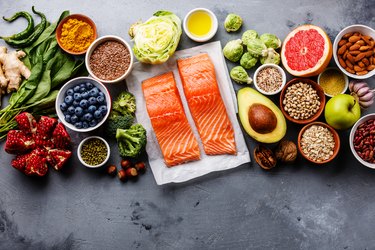

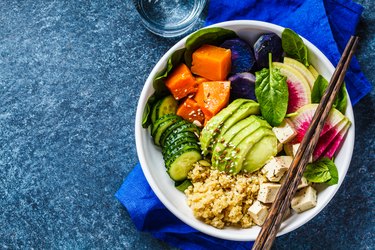








Good nutrition is particularly important when you are undergoing radiation treatment for cancer. You need the basics of a healthy diet -- foods that provide you with vitamins, minerals, protein, antioxidants and some fat. Due to the cancer and the treatment, however, you have an increased need for calories and protein. Side effects of cancer and its treatment can make it a challenge to obtain the necessary nutrition, but with a little planning, you can do it.
Side Effects of Radiation Therapy
Depending on the location of your cancer, side effects can hamper your ability to consume the calories and nutrients you need. Radiation to the abdominal or pelvic areas can cause diarrhea, while side effects of radiation to the stomach, intestines or brain can include nausea and vomiting. Radiation therapy to the head or neck area can cause dry mouth, mouth sores, loss of, or changes in, taste, gum infections, tooth decay, jaw stiffness and thickened saliva. A lump or burning in your throat or chest can result from radiation treatment to the neck or chest.
Calories
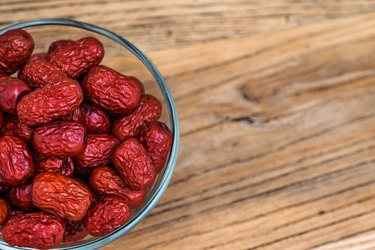
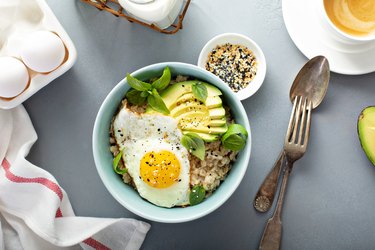
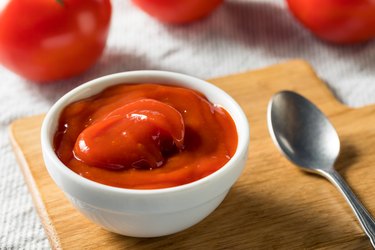
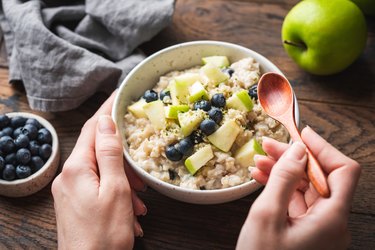
Because cancer cells compete with healthy cells for nutrients, you may need to consume more calories than normal to maintain your weight. If side effects make eating difficult, eat small meals frequently and supplement with supplement drinks. Use whole-fat dairy products, half-and-half for mashed potatoes, pudding and other recipes calling for milk, and milk instead of water when making hot cereal. You should also add dried fruit to cereal, stuffing and cooked vegetables. Add hard-boiled eggs to salads, dressing and cooked vegetables. You should also include cheese in casseroles, mashed potatoes, salads and sandwiches. Top food with gravies or sauces. If you feel hungriest at certain times of the day, eat your largest meal then.
Protein
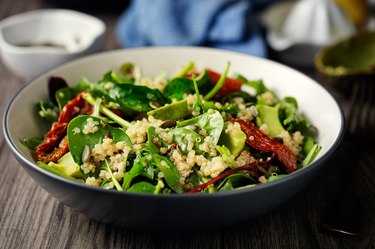
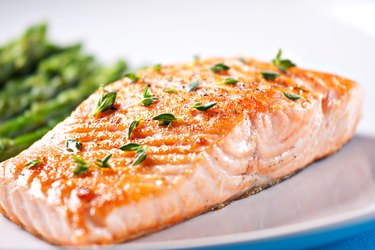
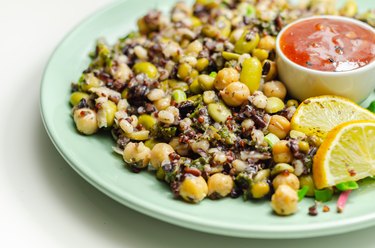
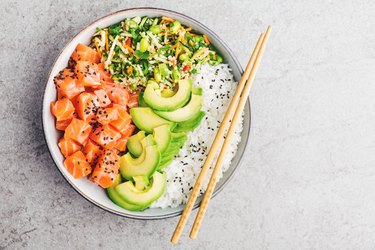
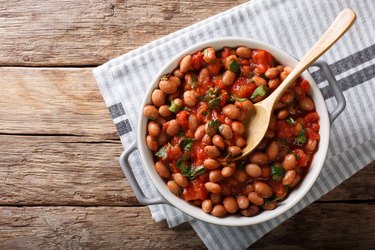
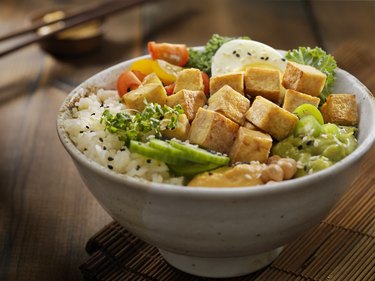
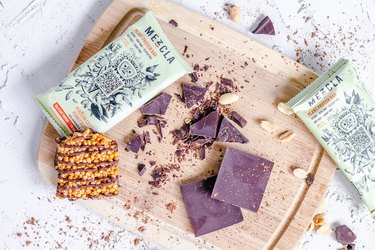
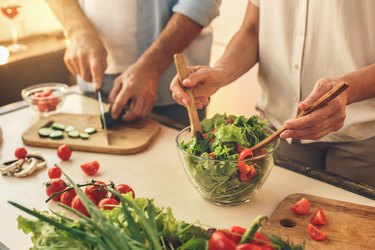
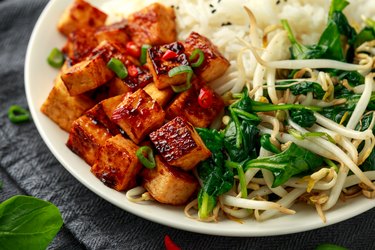
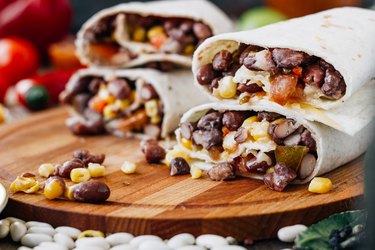
Protein is always needed to build and repair tissue, but protein needs often increase during cancer treatment. Fortunately, many of the foods that can give you the extra calories you need can also provide you with extra protein. Add meat, fish or eggs to salads, soups and casseroles. Add cheese to casseroles, eggs, meatloaf, sandwiches, salad, pies and other desserts. Use milk instead of water in recipes and add instant dry milk to increase the protein content of milk drinks and recipes. Seeds, nuts and beans are also good sources of protein. You can even buy protein powder to add to dishes.
Beverages
Drink 8 to 12 cups of liquid a day, with most of it being non-caffeinated. If solid food is a problem for you, you can buy meal replacement drinks or you can make nutritious drinks of your own. For example, smoothies made from fruits, vegetables, juice, milk or yogurt can provide vitamins, minerals, protein and calories. Add wheat germ or cooked black beans for fiber and additional nutrition. With a little imagination and planning, you can make your beverages do more than just quench your thirst.


