



































































LIVESTRONG.COM Blog: Is Our Food Safe? Many Americans Say They're Not So Sure

5 Things You Need to Know About the Health Benefits of Shellfish

Text size: A  A  |  Post a comment  |  Print  |  Send To Friend

1. Healthy Shellfish

Like all types of seafood, shellfish can be a healthy part of a balanced diet. Shellfish are low in fat--lobster and shrimp have less than 1 gm of fat per serving--and very little of the fat they contain is saturated fat. Most shellfish (except for shrimp) are also very low in cholesterol. By limiting or avoiding unhealthy toppings, like butter or breadcrumbs, and by choosing to steam or broil your shellfish instead of frying it, shellfish can be a low-fat, low-cholesterol, heart-healthy choice. Shellfish is also a good source of protein.

2. Omega-3 Fatty Acids

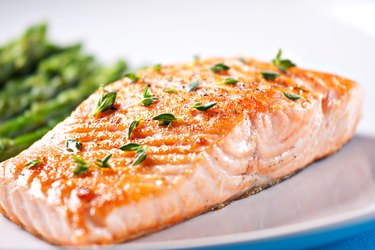
While shellfish do not have as high levels of omega-3 fatty acids as fatty fish like salmon, cod and tuna, they do contain some. Omega-3 fatty acids improve your cardiovascular health by lowering your triglyceride levels and preventing dangerous blood clots from forming, thereby reducing your risk of heart attack or stroke. By helping your blood flow more freely, omega-3s might also boost your cognitive health as well, and can be useful in treating or preventing illnesses like depression and Alzheimer's.

3. Vitamins and Minerals

Shellfish are full of healthful vitamins and minerals. Oysters are great source of vitamins A, B1, B2, B3 and D, and are also high in iron, calcium, magnesium and other minerals. Many other shellfish are also excellent sources of iron, including mussels, clams, shrimp, prawn and crab. Shellfish are one of the best dietary sources of zinc, a mineral necessary for keeping your immune system healthy and to promote the healing of wounds. The highest levels of zinc can be found in oysters, and other shellfish sources of zinc include mussels, clams, scallops, crab, shrimp and prawn.

4. Shellfish Allergies

After nuts and peanuts, shellfish are one of the most common known allergens. Symptoms may include hives or redness and swelling under the skin, swelling of the throat and mouth, vomiting or diarrhea, and these symptoms can become severe or even life-threatening. It is not uncommon for shellfish allergies to develop later in life. If you think you might have a shellfish allergy, see your doctor immediately, and she or he will run tests to confirm or deny a shellfish allergy.

5. Safe Cooking and Handling

The key to the freshest, tastiest, healthiest shellfish is proper storage, handling and cooking practices. Many fresh shellfish are purchased live and are not killed until you cook them--or, in the case of oysters, are sometimes eaten raw. Fresh oysters, mussels, lobster, shrimp and crab should be purchased from a trusted, reputable fishmonger, and should have a fresh, saltwater odor. The shells of bivalves like oysters should be tightly shut, or should shut when lightly tapped, and crustaceans like lobsters should be lively; discard any dead or listless individuals. Keep them cool and moist, and cook them as soon as possible. Luckily, for the squeamish or economically-minded among us, many shellfish are also available canned or frozen.

Last updated on: 11/18/09

Member Comments

Be the first to post a comment.

Remove this ad. Go Gold!
advertisement

Diseases & Health Conditions Tools

Symptom Checker

MyPlate

MyPlate D

Target Heart Rate

BMI Calculator

Quit Smoking

Loops

Fitness Tracker

Write for LIVESTRONG.COM

Health and fitness professionals
are urged to apply

Learn More