





Your kidneys are responsible for filtering the wastes and toxins out of your blood that are then excreted through your urine. The waste-filtering process of your kidneys is also known as your renal function and tends to decline as you age. Although not everyone will experience severe loss of renal function, those who do face a disease known as chronic kidney disease. If the disease becomes severe enough, sufferers need to have regular blood dialysis to filter out the buildup of blood wastes. As with all of your organs, your kidney health and function can be directly tied to your nutrition. Certain foods and nutrients may help to improve kidney function.
Tests of Kidney Function
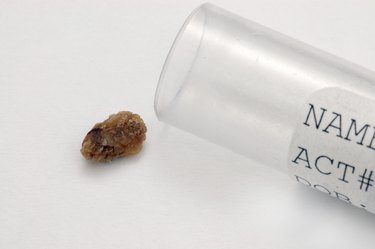
You can learn the level of your kidney function through a couple of simple blood tests. One of the primary tests used to determine kidney function is called creatinine clearance, which is a measurement of the glomerular filtration rate, or GFR. According to the National Kidney Foundation, those who are losing kidney function will show a reduced GFR. The stages of kidney disease are rated based upon an individual's GFR. Other tests include the blood urea nitrogen and urine protein content tests and the protein-to-creatinine ratio calculation. According to the National Kidney Foundation, you will need to adjust your nutritional intake based upon the severity of your kidney function disorder.
Calories and Protein Intake
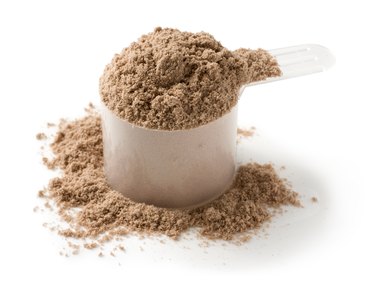
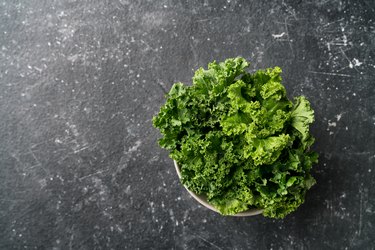
Depending on the level of your kidney function, you may be directed by your physician or dietitian to change the types and amounts of foods that you eat. Severe loss of renal function may require you to limit the amount of protein you eat because byproducts of protein breakdown may cause a buildup of wastes in your blood that taxes the kidneys. If this is the case, you will need to adjust the amounts of other foods that you eat to replace the calories that you losing from minimizing protein intake. Generally, increased intake in fruits and vegetables are good replacement foods for loss of protein.
Foods Low in Salt and Phosphorous
Dietary minerals, sodium and phosphorous salts can also effect the function of your kidneys. High blood pressure and kidney disease often occur together because one can lead to the other. Because of this relationship, it is important to control your blood pressure when you have impaired kidney function. Diets that are high in salts tend to increase your blood pressure, so by reducing the amount of sodium-cased salts that you eat, you can better control your blood pressure. Foods that are high in phosphorous may also overwhelm your kidneys and lead to a condition called hyperphosphatemia, which is excess blood phosphorous. According to the Mayo Clinic, people with kidney disease should limit themselves to no more than a 1,000 mg of phosphorous per day.
Considerations
Generally, beverages and fluid intake should follow the same conditions as that applied to food requirements. However, according the National Kidney Foundation, total fluid intake may need to be reduced in the advanced stages of kidney disease. Management of kidney function should also be done under the consideration of other diseases an individual may be suffering from, including hypertension and diabetes. According the National Kidney and Urologic Diseases Information Clearinghouse, adjustments to your nutritional intake should be done in accordance to your restrictions and schedules used to manage these other conditions, which include careful monitoring of your blood glucose and your blood pressure.
References
- National Kidney Foundation: Glomerular Filtration Rate
- National Kidney Foundation: Nutrition and Kidney Disease
- MayoClinic.com: Low-Phosphorus Diet: Best for Kidney Disease?; August 2010
- National Kidney and Urologic Diseases Information Clearinghouse; Nutrition for Early Chronic Kidney Disease in Adults; April 2011


