











Diabetics on the Coumadin Diet

Diabetics on the Coumadin Diet
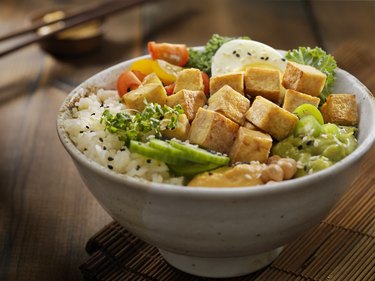
Photo Credit Jupiterimages/liquidlibrary/Getty Images

If you have diabetes and take Coumadin, a brand name of warfarin, you may need to make some changes to your diet. You can take Coumadin, a blood thinner, and still follow a menu plan that will help you regulate your blood glucose levels. Some oils, vegetables and beverages may intensify the effects of Coumadin.

Coumadin Benefits

Coumadin helps prevent blood clots. Doctors may prescribe Coumadin and other forms of warfarin to persons recovering from heart attacks or strokes or recipients of artificial heart valves. If you've been diagnosed with blood clots in your lungs, legs or heart or if you're at risk for developing potentially life-threatening blood clots, Coumadin may prove helpful. Because Coumadin thins your blood, it puts you at extra risk of bleeding heavily even from minor injuries. Foods that contain vitamin K can add to this risk.

Breakfast

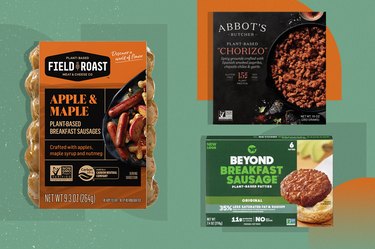
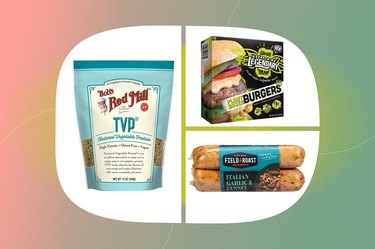
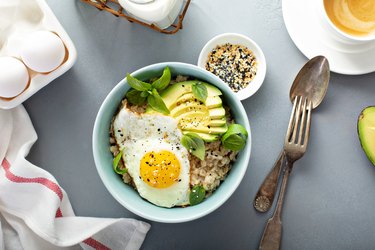
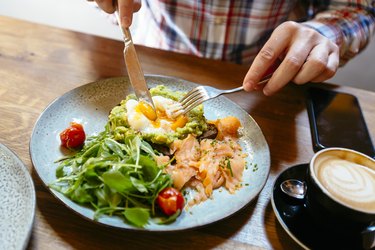
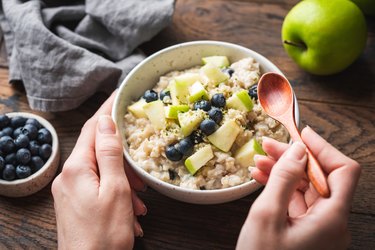
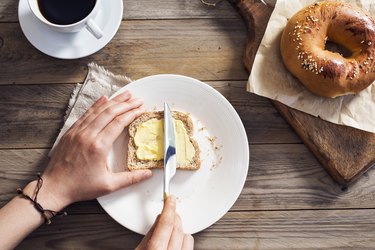
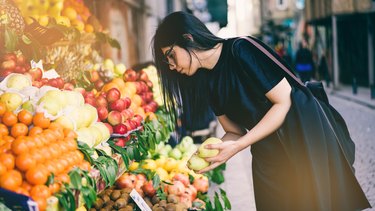
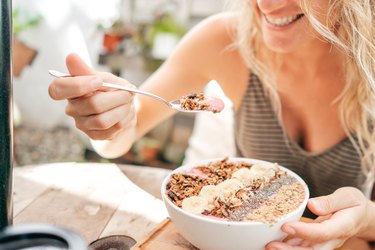
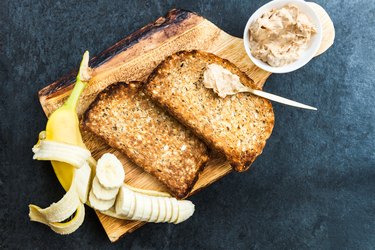
A diabetes-friendly breakfast includes this balance of foods: 1/2 starchy foods, 1/4 fruit and 1/4 protein. You won't need to make many changes in your breakfast menu in order to accommodate your use of niacin. Soybean, canola and olive oils can interact with Coumadin. Don't add these oils to baked goods and, if you use them for cooking, use them sparingly. Some commercial baked goods may contain soybean or canola oils. Avoid eating meatless bacon and similar foods that contain soy. When choosing a breakfast fruit, skip cranberries or cranberry juice.

Lunch

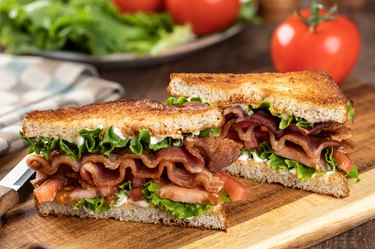
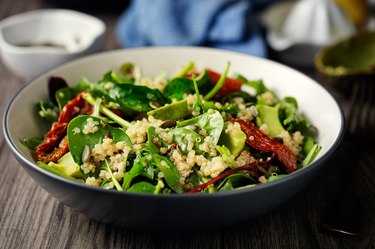
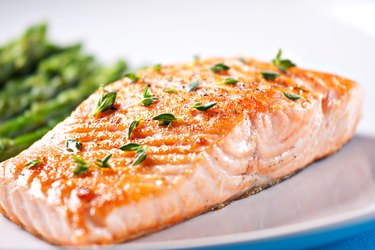
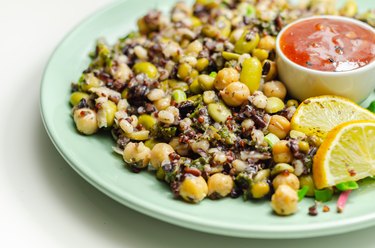
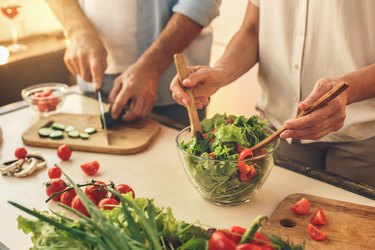
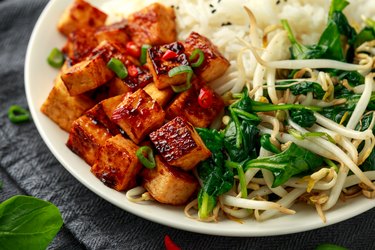
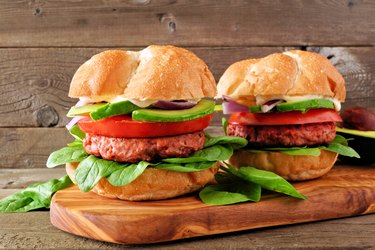
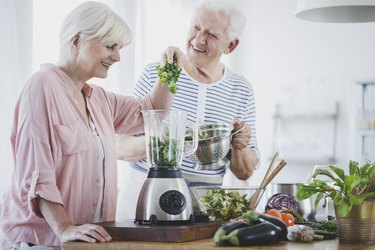
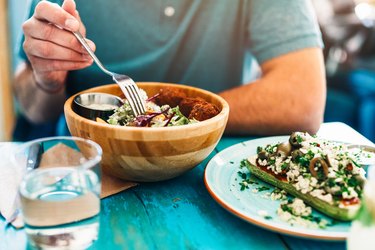
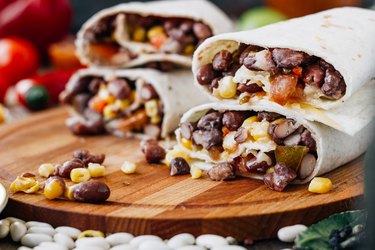
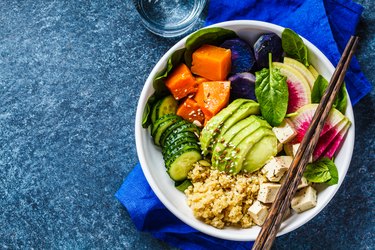
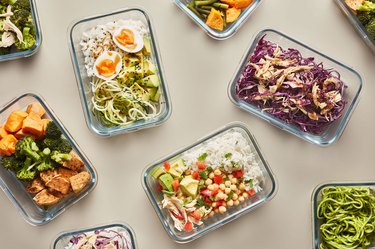
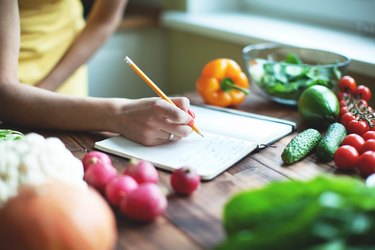
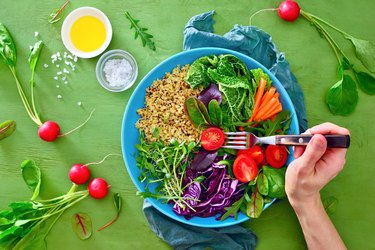
Both your lunch and dinner menus should include 1/2 non-starchy vegetables, 1/4 starchy foods and 1/4 protein. Salads make popular choices on many diabetes lunch menus because you can load them up with non-starchy vegetables such as lettuce and spinach. If you take Coumadin, these foods may increase your risk for bleeding. Instead of making a salad for lunch, meet your need for non-starchy vegetables by topping sandwich fillings with tomatoes, sprouts, shredded carrots and cucumbers. Or top a low-fat tortilla with black beans, tomatoes, red pepper and fresh salsa. If you want a salad, try tossing pea pods, green beans, mushrooms and onions in balsamic vinegar. Don't use mayonnaise or oily dressings on your sandwiches or salads unless you know they do not contain canola, olive or soybean oil.

Dinner

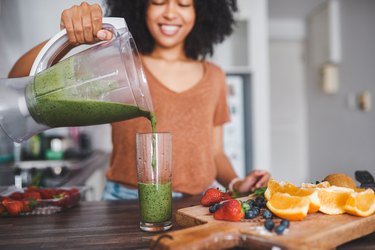
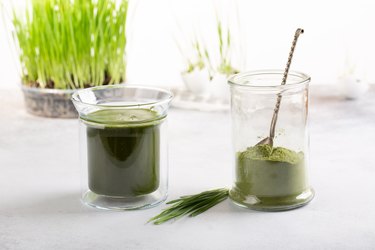
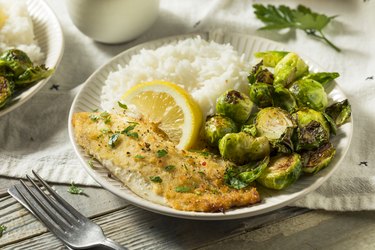
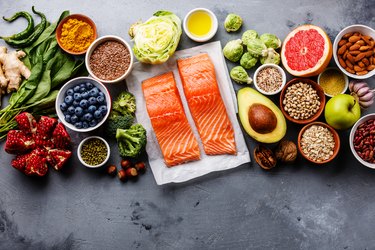
Other vegetables that increase your risk for bleeding when combined with Coumadin include broccoli, raw cabbage, kale, Brussels sprouts and endives. Eat a lot of other non-starchy vegetables at dinner, including carrots, baby corn, artichokes, onions, peppers, mushrooms, cauliflower and beets. Healthy beverage choices at dinner include water, non-fat milk and vegetable juice. Limit your intake of cranberry juice and green tea if you take Coumadin or other blood-thinning medications.

References

Article reviewed by Jenna Marie Last updated on: Jul 2, 2011

Must see: Photo Galleries