





















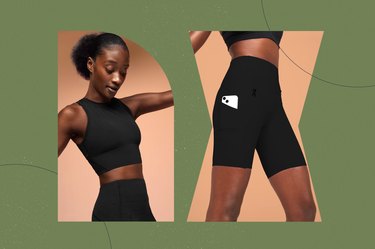






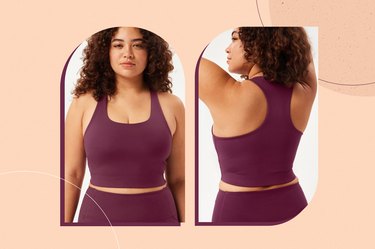



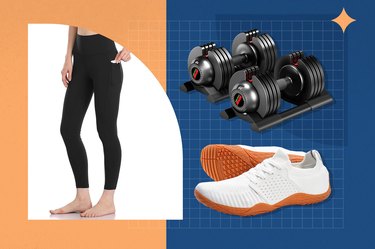
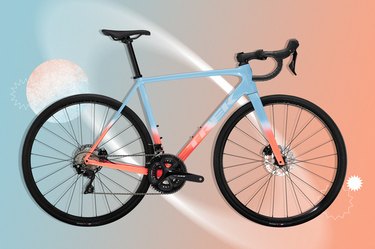
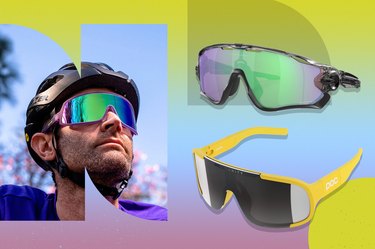












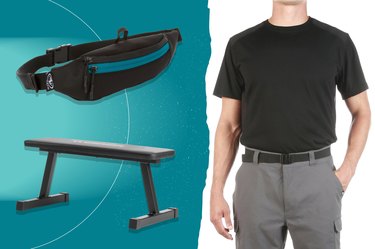

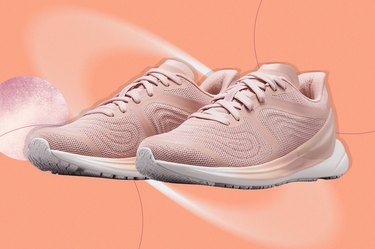




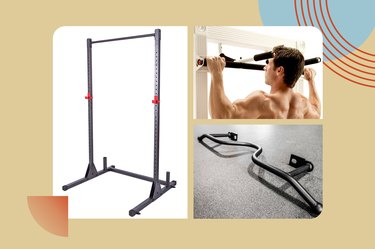


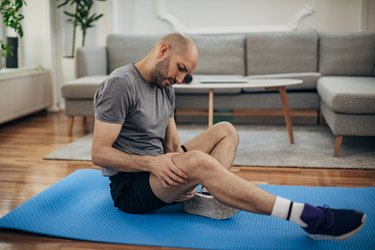









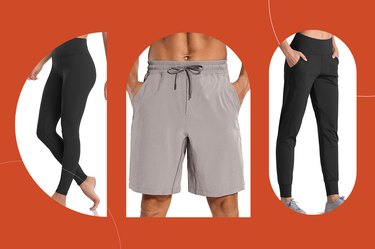

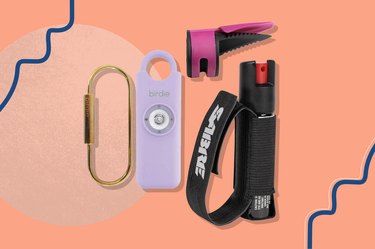
Whether you're a beginner or an experienced fitness enthusiast, our general fitness tips page provides information on a range of topics, including workout plans, the best gear available now and tips for staying motivated. We believe that a healthy lifestyle encompasses more than just physical fitness, which is why we offer advice on managing stress, getting quality sleep, and other lifestyle factors that contribute to overall well-being.
Our team of fitness experts provide in-depth articles and resources that are backed by science and designed to help you make sustainable lifestyle changes. Whether you're looking to get active, build muscle or simply improve your overall health, our general fitness tips page has something for you."