







































Living Foods List

Living Foods List
Photo Credit Photos.com/Photos.com/Getty Images

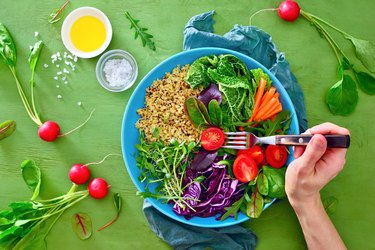
Living foods, also called raw foods, are fresh, uncooked foods that haven't been heated above 116 degrees Fahrenheit. Proponents of living foods believe that cooking denatures valuable enzymes, and that raw foods are nutritionally superior to their heated counterparts, although little evidence exists to support these beliefs. Consult your physician before adopting a diet based mainly or entirely on living foods, and consume raw foods with caution if you're pregnant or nursing.

Fruit

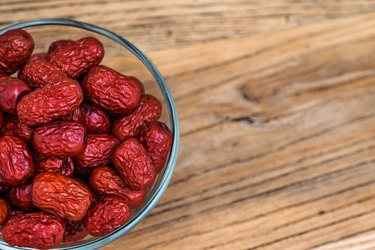
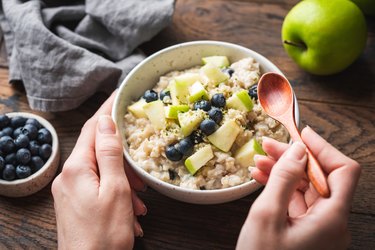
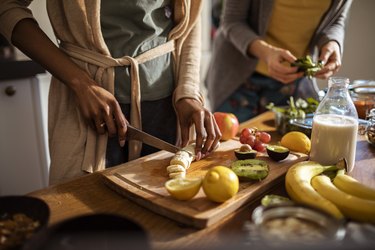
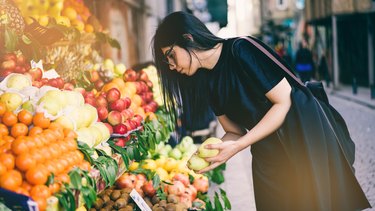
Fresh raw fruit, as well as fruit that has been sun-dried at low temperatures, is considered a living food. Edible raw fruit includes citrus, such as oranges, grapefruit, satsumas, tangelos, tangerines, limes, lemons, pummelos, kumquats, mandarins and clementines; tropical and exotic fruit, such as papayas, mangoes, bananas, pineapple, lychees, longans, rambutan, durian, jackfruit, mamey sapotes, passion fruit, cherimoyas, soursops, guava, star fruit, dates, breadfruit and sea grapes; stone fruits, such as apricots, plums, nectarines and peaches; berries, such as strawberries, blueberries, raspberries, blackberries, elderberries, gooseberries and huckleberries; melons, such as cantaloupe and honeydew; and cool-climate fruits, such as grapes, apples, pears and persimmons. Fruit that has been canned, stewed, baked or otherwise heated is not considered "living" by proponents of living foods.

Vegetables

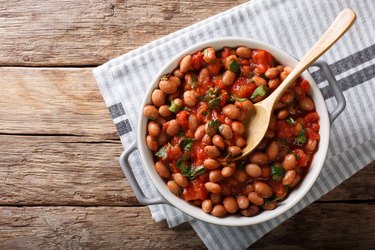
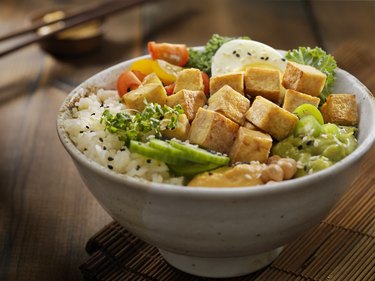
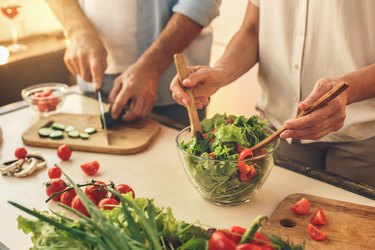
A wide variety of uncooked vegetables qualify as living foods. Vegetables edible in their raw state include crucifers, such as broccoli, cauliflower, cabbage, brussels sprouts, collard greens, horseradish, kale, rutabagas, Chinese cabbage, turnips, bok choy, broccoli rabe, daikon, radishes, spinach and water spinach; lettuces, such as loose leaf, romaine, green leaf, iceberg, red leaf, butterhead, summer crisp, cos, lollo ross, round lettuce, endive and imperial; and botanical fruits used as culinary vegetables, such as bell peppers, cucumbers and tomatoes. Tubers and squashes, such as yellow squash, butternut squash, pumpkin, zucchini, sweet potatoes, carrots, taro, parnsips, yams, beets and jicama, are also considered living foods, but they are difficult to eat without cooking. With the exception of peas and peanuts, most legumes -- including red beans, white beans, navy beans, pinto beans, chickpeas and green beans -- qualify as living foods, but they are toxic to humans in their raw state and should thus be avoided.

Nuts and Seeds

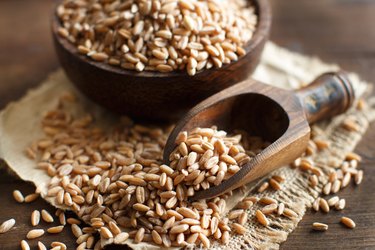
When unpasteurized and unheated, nuts and and seeds are considered living foods. Nuts and seeds that can be consumed raw include almonds, cashews, brazil nuts, flaxseeds, macadamia nuts, hazelnuts, pecans, pistachios, pine nuts, pumpkin seeds, sunflower seeds, sesame seeds and walnuts. Some proponents of living foods believe that nuts and seeds qualify as "living" only if they have been soaked and sprouted before consumption.

Fermented Foods

Foods that have been fermented or cultured with friendly bacteria are considered "living," as long as they haven't been heated or pasteurized after the culturing process. These foods include sauerkraut, fermented carrots or beets, miso made from unpasteurized soybeans, unpasteurized kombucha tea, kefir made from raw milk, and rejuvelac, which is a drink made from the water used to soak and sprout grains. Although raw, cultured dairy products are considered living foods, they may harbor dangerous pathogens typically killed during pasteurization.

Juice

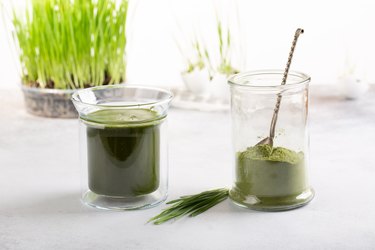
Living foods can include a variety of fresh, unpasteurized juices from fruits and vegetables, such as carrot juice, orange juice and wheatgrass juice. Coconut juice, the liquid from coconuts, is also considered a living food. (See References 1) Like raw milk, unpasteurized juices can harbor dangerous pathogens responsible for foodborne illness.

References

Article reviewed by TimDog Last updated on: Jul 3, 2011

Must see: Photo Galleries