




















Does Aspartame Cause Liver Damage?

Does Aspartame Cause Liver Damage?
Photo Credit George Doyle/Stockbyte/Getty Images

Although at least one study has linked aspartame consumption to decreased glutathione levels in the liver, the sweetener's connection to liver damage is still unclear, and the U.S. government and public health agencies recognize it as safe. If you're concerned about aspartame's effect on your liver, talk to your doctor or avoid foods and beverages that contain aspartame.

Safety

Rumors have swirled around aspartame's safety ever since it was approved for food manufacturers' use in the 1980s. However, it has not been definitively linked to cancer, liver disease or any other health problem, even after extensive research. Although several European studies have found increased cancer risks in lab rats fed aspartame, U.S. agencies have generally rejected their findings based on problems in the studies.

Effects on Liver

A study published in "Food and Chemical Toxicology" in 2011 found that long-term aspartame consumption may cause change the antioxidant status of the liver. Rats given doses of aspartame-laced water over a period of time had lower levels of glutathione, a chemical that helps the body use antioxidants to fight free radicals. However, connections between these findings and liver damage or other specific consequences have not yet been established.

Dietary Prevention

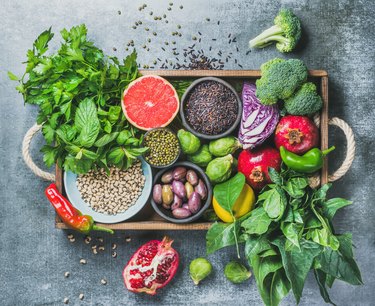
You can prevent liver damage and disease by eating a healthy diet and drinking only moderate amounts of alcohol, if any. Limit your intake of high-fat foods and maintain a healthy weight; obesity, even if you don't drink, can cause nonalcoholic fatty liver disease. Be careful with herbal supplements, as these herbs are potentially harmful to the liver: black cohosh, chaparral, comfrey, germander, greater celandine, kava, mistletoe, pennyroyal, skullcap and valerian.

Precautions

You should avoid aspartame if you have a condition called phenylketonuria, or PKU. People with PKU cannot metabolize the amino acid phenylalanine, which is one component of aspartame. Look for foods and beverages sweetened with other types of artificial sweeteners, such as sucralose or stevia. Even if you can consume aspartame, do not exceed the Food and Drug's recommended maximum daily intake, which is 50 mg for every kilogram you weigh.

References

Article reviewed by Hilary Cable Last updated on: Aug 11, 2011

Must see: Photo Galleries