







































White Dots on Skin When Exercising

White Dots on Skin When Exercising
Photo Credit George Doyle/Stockbyte/Getty Images

Exercise-related white dots can crop up on anyone -- even if you have not experienced them before. Many conditions and factors can contribute to the development of white dots on the skin during your exercise routine, some that require medical attention. Although white dots are not typically life-threatening, understanding how and why they occur can help you to properly treat them.

Appearance

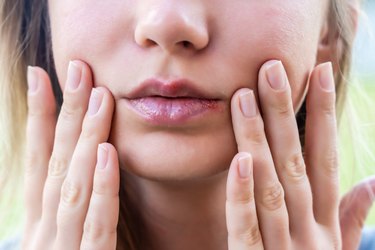
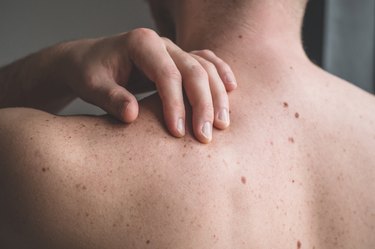
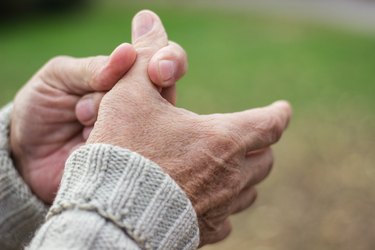
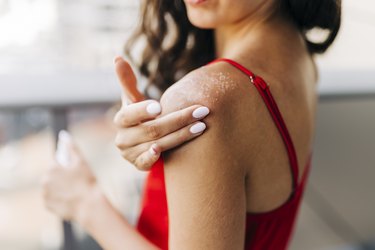
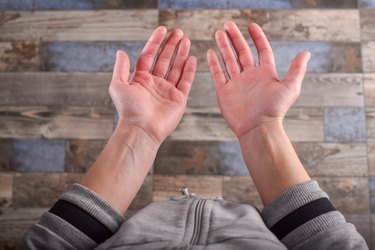
White dots can appear anywhere on the skin while you exercise including your face, neck, chest, legs, ankles, hands, front of the elbow bend and behind your knees. These dots can be raised, thick or scaly. Because they can itch intensely, scratching can cause them to bleed and become raw and sensitive to the touch. Fluid and pus can leak from the bumps if you scratch them or they rub up against clothing or other body parts.

Origins

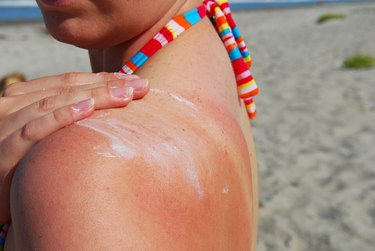
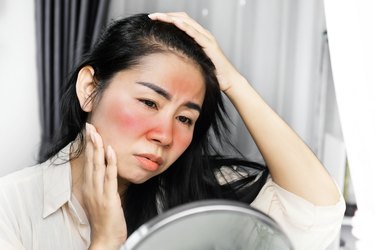
Intense exercise can irritate the skin and cause conditions such as heat rash, which can appear as white dots on the surface of your skin. Wearing excess clothing or fabrics that do not allow your sweat to evaporate easily from your skin can trigger white dots. In addition, exercising in hot weather, applying heavy ointments or creams prior to exercise and exercise-induced allergies can contribute to the appearance of white skin spots. They can also be due to some medical conditions such as psoriasis and eczema.

Home Remedies

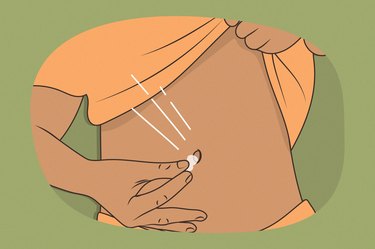
Compress the area with a damp cloth or bandage to help relieve symptoms. Rub calamine lotion or hydrocortisone cream into the affected area to help calm your skin and ease any itching or irritation. Take an oral antihistamine if the rash is severe or you experience intense itching. Prescription corticosteroids, ointments or creams can help treat white dots if symptoms are chronic. If the rash is caused by an exercise-induced allergy, a doctor can prescribe allergy medication or epinephrine.

Considerations

Contact a doctor immediately if the white dots do not go away within 10 minutes or you experience additional symptoms such as tightness in the chest. Do not scratch the dots if possible -- keep your nails short and even wear gloves if you need to. Write down when you experience symptoms, noting the conditions you were exercising in and what types of foods you consumed prior to exercise. This can help you identify a specific trigger.

References

Article reviewed by RandyS Last updated on: Jul 7, 2011

Must see: Photo Galleries

Member Comments