


















Diet for Chronic Hepatitis C Patients

Diet for Chronic Hepatitis C Patients
Photo Credit Jupiterimages/Photos.com/Getty Images

Hepatitis C is a type of liver disease. The hepatitis C virus causes the liver to become inflamed, causing pain and a decrease in liver function. Some individuals can clear the virus that causes hepatitis C within a few months. However, most people cannot. If left untreated, hepatitis C leads to scarring of the liver and cirrhosis. Following a healthy diet specifically designed for chronic hepatitis C can help you manage the disease and preserve liver function.

Healthy Carbohydrates

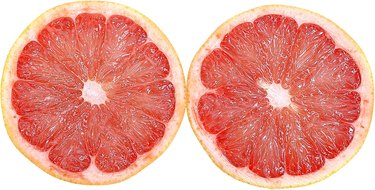
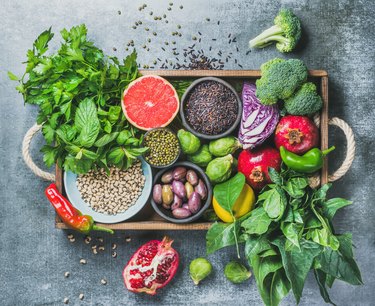
When you have chronic hepatitis C, most of your calories should come from healthy carbohydrates, including whole grains, fruits, vegetables and legumes. That means about 45 to 65 percent of your daily calorie intake, as recommended by the U.S. Department of Agriculture.These healthy carbs are high in essential nutrients your body needs to stay well, including antioxidants, fiber, vitamins and minerals. In addition, you should also limit your intake of carbohydrates from sweets and desserts. These types of food provide only fat and calories, and offer very little nutritional value.

Adequate Protein

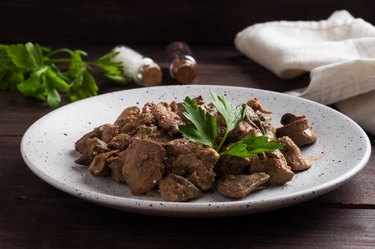
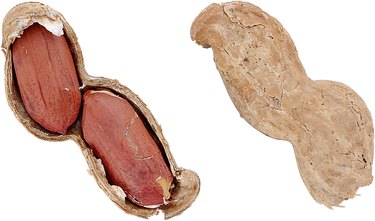
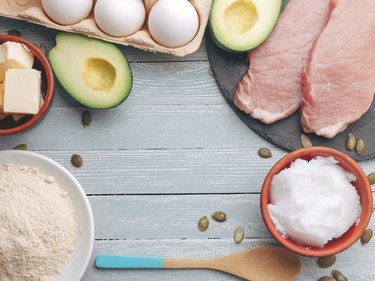
It is important to get in adequate amounts of protein when you have chronic hepatitis. Liver disease increases the breakdown of protein, depleting stores quickly. Adequate intakes of protein prevents depletion, which supports immune health and preserves lean body mass. You should aim for 0.8 to 1.0 g of protein per kilogram of body weight, or 55 to 68 g of protein a day if you weigh 150 lbs. Include a source of protein at each meal to help make sure you meet your needs. Good sources of protein include meat, poultry, fish, eggs, nuts, seeds, tofu, legumes and dairy products.

Moderate Fat

As long as you are not showing symptoms of malabsorption, you do not need to severely restrict your intake of fat. In fact, a moderate fat diet, about 35 percent of calories, is recommended for chronic liver disease. The only reason fat is limited at all is to help you maintain a healthy body weight. For good health, most of your fat should come from healthy sources such as vegetable oils, nuts, seeds and fatty fish such as salmon or tuna.

Iron

Iron overload can increase liver damage in individuals with chronic hepatitis C. A 2002 study published in "Hepatogastroenterology" evaluated the effect of a low-iron diet on liver function in a group of 17 patients with chronic hepatitis for a 12-month period. Average daily iron intake during the study period was 5.9 to 6.4 mg. At the end of the study, participants had a significant reduction in liver function tests, and the investigators concluded that a low-iron diet may be a mode of treatment for people with hepatitis C. However, more research is necessary before formal recommendations can be made.

References

Article reviewed by Tad Cronn Last updated on: Jul 9, 2011

Must see: Photo Galleries