








































Cholesterol and Black Pepper

Cholesterol and Black Pepper
Photo Credit Hemera Technologies/PhotoObjects.net/Getty Images

Most people understand that the foods you eat have a strong effect on your cholesterol level, which in turn will increase or decrease your risk for circulatory problems such as heart disease and high blood pressure. What fewer people understand is that simple seasonings -- like black pepper -- may also improve your cholesterol profile.

Black Pepper Basics

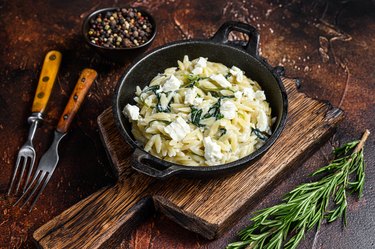
Originally from India, but now popular worldwide, the spice known as black pepper comes from the berries of the pepper plant -- piper nigrum. To make black pepper, the berries are picked while half ripe, then dried before grinding or shipping whole. Black pepper is a common table seasoning, and an ingredient in many recipes.

Cholesterol Basics

Your body produces two kinds of cholesterol in response to the presence of fat in your diet. LDL, or low-density lipoprotein, is necessary for your tissue health but clumps in your bloodstream and makes your heart work harder than it should. HDL cholesterol cleans contaminants from your blood, including the harmful LDL. Your body makes LDL cholesterol in response to saturated fat in your diet, HDL in response to unsaturated fat.

Black Pepper Nutrition

According to the U.S. Department of Agriculture, a tablespoon of black pepper contains about 0.1 g each of saturated and unsaturated fats. A tablespoon is enough pepper to season a family-size portion of a relatively spicy dish. Between the low fat content and the balance of saturated and unsaturated fat, black pepper is unlikely to directly stimulate your body to change its cholesterol count.

Capsaicin

Capsaicin, the ingredient that makes black pepper and other peppers "hot," can decrease blood cholesterol. It does this by temporarily reducing the amount of fat your body processes from foods it takes in. This means that you can pepper a fatty steak to reduce -- but not eliminate -- the potentially harmful effects of the fat in the beef.

Bottom Line

Black pepper may help reduce your cholesterol level by allowing you to eat moderate amounts of fatty food with reduced production of LDL. However, black pepper -- like other dietary supplments -- can't make a significant difference on its own. You should use it as part of a holistic program to keep your cholesterol count in a healthy range.

References

Article reviewed by GlennK Last updated on: Jul 11, 2011

Must see: Photo Galleries