When you're getting it on with your honey, the nutritional content of your diet might well be the last thing on your mind. However, if you're trying for a child, minerals or vitamins to increase sperm count can make the difference between success and "try, try again." Zinc is one nutrient you don't want to run short on, as it's a significant player in sperm motility and protection.
Tip
Zinc for male fertility is crucial and makes up much of the seminal fluid. It helps sperm motility and protects them from bacteria and chromosomal damage.
Video of the Day
A Sea of Zinc
Your little swimmers need an ideal liquid to help them wiggle their way toward their goal, and zinc is a significant component. Most of the zinc for sperm comes from the prostate gland, which adds about 25 percent of the total liquid contained in ejaculate to the mix.
Video of the Day
The milky fluid isn't just made up of zinc, however. Acid phosphatase provides an alkaline environment designed to give sperm a fighting chance in the more acidic world of the vaginal barrel.
Up until this point, your sperm have been packed together immobile like toy soldiers in a box. Both zinc and fibrinolysin from the prostate get the sperm moving. A 2016 meta-analysis showed that men who were infertile had significantly lower zinc levels. Subsequent reviews of similar studies showed a correlation between zinc levels in the diet and zinc levels in the sperm.
Sperm, Health and Zinc
The seminal fluid does more than just activate the sperm, however. Zinc acts as an anti-inflammatory and antioxidant, helping them survive until they can reach the egg. Zinc for men is vital for the gonads from an early age. Too little in childhood delays sexual development and affects testosterone levels, prostate gland function and sperm production.
Zinc is vital to sperm, but it's an essential nutrient for the rest of the male body as well. It's crucially involved in many body processes, including cell division, wound healing, bolstering the immune system, DNA synthesis, gene expression and even the photochemical processes involved with being able to see.
When there's not enough zinc in the body to support all these essential functions, the body starts to break down. Not only will you find it difficult to reproduce, but you could also become completely impotent. Loss of mental alertness, loss of hair and diminished appetite are also early clues. Diarrhea, weight loss and slow wound healing are other tipoffs to the condition.
Read more: The Top 9 Foods for Men's Sexual Health
Are You Deficient?
Nearly one-third of the world's population has a deficiency, according to the World Health Organization. However, zinc blood tests aren't the best way to find out whether you're deficient. Blood samples are highly unreliable, as 90 percent of the usual 2 to 3 grams of zinc stored inside the body resides in muscles and bones, not traveling through the blood.
In fact, you don't need any expensive tests to tell you whether you might be zinc deficient. Look down at your hands. Do your nails have white spots? Inflamed cuticles and poor nail growth are other signs of this condition, according to DTK Nail Supply.
If you're not sure, order a bottle of zinc sulfate. Dip into it with a clean spoon and deliver a spoonful into your mouth. Note what you do or do not taste. If you don't taste much of anything, you're zinc deficient. If you spit the stuff out with an "Ugh!" your zinc levels are optimal. Delayed response of metallic taste in your mouth means your levels need improvement.
Eat Zinc-Rich Foods
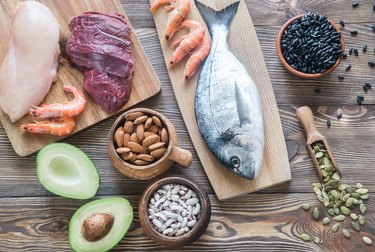
The best and most natural way to up your zinc-sperm game to improve your sexual and overall health is by increasing your intake of zinc-rich foods. Seafood, dark chocolate, turkey, lean red meat and nuts are a good start.
Take a page from Popeye's recipe book and eat some spinach. Grill up some salmon on the "barbie," or roast some watermelon or pumpkin seeds for a snack. And that old cliche about oysters being good for your oysters? The bivalve mollusks contain more zinc per serving than any other food, at 74 milligrams per 8 ounces according to the National Institutes of Health Office of Dietary Supplements.
Read more: 13 Types of Nut and Seed Butters and Their Benefits
Select a Supplement
Although zinc supplements are available in several types, research is not yet conclusive as to whether any particular kind of supplement is more bioavailable, is absorbed more easily or is the most tolerable to the digestion.
Look at the label on your zinc supplement to find out which type the bottle contains:
Zinc Acetate
Doctors often prescribe zinc acetate capsules to patients who have liver disorders in which the organ retains too much copper. However, you can find zinc acetate capsules or lozenges on Amazon.com or at your local vitamin store. Possible side effects include an upset stomach. Don't let your partner use this product if she's breastfeeding, as it will pass through her milk to the infant.
Zinc Gluconate
One of the most common forms of zinc supplements, zinc gluconate, is readily available in several over-the-counter forms. A chewable tablet makes it easy to get your daily dose, but there are also drops, sprays, powders and capsules available in this form of zinc. Watch out for diarrhea, constipation or other digestive upset as your body gets used to the supplement.
Zinc Sulfate
Avoid stomach upset when you take zinc sulfate by taking it one hour before a meal or two hours afterward. WebMD recommends avoiding cereal, bran, grains and milk for two hours when taking zinc sulfate. Heartburn or other digestive upset is a common side effect of the supplement in pill form. However, no side effects are reported in its powdered form known as zinc sulfate heptahydrate.
Read more: The 12 Most Overrated Supplements
Not a Cure-All
Although a 2016 review of 20 studies on the relationship between supplementation and sperm showed definite benefits when participants added zinc to their diet, it's not a cure for all sperm conditions that could affect infertility.
Dramatic results in the studies included an improvement in sperm motility, improved structure and increased semen volume. However, if you have low sperm count, zinc hasn't been shown to increase either the number or concentration of sperm.
In the studies, sperm supplemented with zinc didn't tend to live statistically longer than sperm that received no such benefit. It also didn't reduce the average percentage of abnormal sperm morphology.
Know When to Say Whoa
Some of the symptoms of getting too much zinc can seem a lot like those experienced from getting too little. If you've initially started feeling better and more energetic but then started experiencing nausea, lethargy, diarrhea or gastric pain, you might try backing off your zinc supplements for a few days to see if things get better.
Other symptoms of getting too much could include respiratory disorders and moodiness. Long-term side effects of taking too much zinc include an increased risk of prostate cancer, a disease that will affect your sex life and sperm negatively.
Too much zinc over time can also adversely affect sperm quality as an abundance is toxic to the sensitive genital climate. You could also put yourself at increased risk for Alzheimer's disease, schizophrenia and diabetes if you over-imbibe on zinc in the long run.
Eliminate Environmental Factors
Now that you're back in balance and your gametes are game to go the distance, it's important to understand why you got low on zinc in the first place. Address the factors with your doctor, boss, wife, living situation or whomever you must to prevent draining the zinc stores in your body and throwing your little linebackers into slo-mo.
Chronic stress: If you're biting your white-spotted nails with anxiety or just dreading going into the office each day — or going home — all that extra stress could be sucking up your zinc stores.
Digestive disorders: Low stomach acid, a leaky gut or certain other digestive issues could be adversely affecting your ability to absorb zinc into your system.
Poor dietary choices: Do you wake up to a few cups of coffee, toss back a soda or two and have a few cocktails with dinner? Chances are you know this lifestyle isn't the healthiest, but keep in mind that caffeine and alcohol zap your zinc stores. They also prevent you from drinking enough water, which is essential to absorbing electrolytes like zinc. Sugar- and flour-based foods are more zinc-zappers.
Overtraining: Sure, you want to look ripped, and all that physical exercise is putting your brain into bliss mode from getting steeped in endorphins, endocannabinoids and other ecstatic enzymes. But it's also sucking up zinc stores, so make sure to focus on foods and supplements to replenish.
Medication: If you pop a few acetaminophen, naproxen or other stomach-irritating pain relievers after a tough workout to soothe those sore muscles, you might be interfering with zinc uptake. OTCs aren't the only culprits: Many prescribed medications such as ACE inhibitors, antacids, vasodilators and antidepressants can interfere with zinc absorption.
Plant-Based Diet, Increased Deficiency
As meat is a significant source of zinc, vegetarians and vegans experience an increased risk of zinc deficiency, according to the National Institutes of Medicine Office of Dietary Supplements. Dietary inclusion of large amounts of phylate-rich foods, such as whole grains and legumes, binds zinc and hinders it from being absorbed into the digestive system. As a result, vegetarians and vegans might have to consume 50 percent more zinc daily to ingest the same amount as non-plant-based dieters.
Specific cooking techniques and eating strategies can help prevent the binding process and promote absorption. For example, leavening in bread helps break down the phytates, increasing zinc uptake in the digestive system over unleavened grain products such as crackers.
Soak grains, legumes/beans and seeds in their raw state and allow them to begin sprouting on the end. This process helps reduce the binding process of the phytates.
- U.S. National Library of Medicine: National Institutes of Health: Journal of Clinical & Diagnostic Research: Zinc Levels in Seminal Fluid in Infertile Males and Its Relation With Serum Free Testosterone
- Mel Magazine: This Is What's in Your Ejaculate (and Why)
- DrJockers.com: How to Test Zinc Levels at Home
- DTK Nail Supply: The Best Vitamins and Minerals for Nail Growth Reviews 2019
- Medical Daily: The Evolution of Runner's High
- National Institutes of Health Office of Dietary Supplements: Zinc
- WebMD: Zinc Acetate Oral
- WebMD: Drugs and Medications